
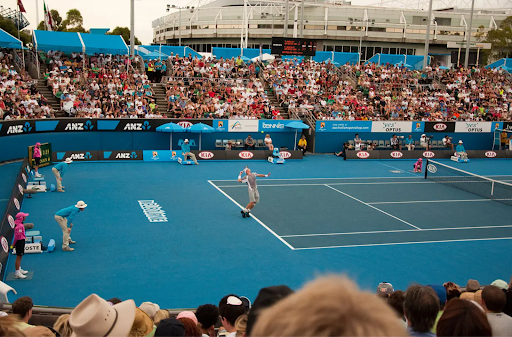
As the first Grand Slam of the year, the Australian Open holds a special place in the hearts of tennis fans worldwide. From the sun-soaked courts of Melbourne Park to the electric atmosphere of Rod Laver Arena, it serves not only as a sporting event but as a cultural experience that attracts thousands of visitors each January. However, making the most of this tennis pilgrimage can present financial challenges, prompting many to seek cost-effective strategies for attending the tournament.
Strategically planning your trip is essential for fans looking to balance excitement with expenses. Your first step should be determining the purpose of your visit. Are you planning to enjoy just one thrilling day of matches, or are you eager to soak in the full two-week experience? Understanding your goals will help set the tone for other critical decisions.
Next, establish your travel style: Are you flying solo, or will you be joining a group? While solo travelers may appreciate flexibility, they face the full brunt of costs. Groups and couples can share expenses, making for a more economical adventure. After clarifying your trip goals and style, identify your core requirements and the optional extras that you could forgo if necessary. This early groundwork can help prevent overspending later on.
The main components of your Australian Open budget will include:
1. Tickets – Costs vary significantly by match type, seat position, and resale fees.
2. Transportation to Melbourne – Airfare, train tickets, and car rentals all carry their own price points.
3. Accommodation – Choose wisely between hotels, apartments, and hostels to fit your budget.
4. Local transportation – Costs accrued from airport transfers, public transport, rideshare services, or rental vehicles.
5. Daily expenses – Meals and other necessities often add up faster than expected.
6. Extras – Consider souvenirs, nightlife, and optional tours as potential expenses beyond the essentials.
To avoid budgeting pitfalls, make sure to distinguish between mandatory expenses (like tickets and lodging) and those you can opt out of, such as shopping or excursions. This delineation will keep you grounded, especially when the excitement of the event kicks in.
Realistic budgeting calls for solid data, particularly regarding daily costs. Research from the Australian Trade and Investment Commission indicates that international visitors to Australia may spend around AUD 5,200 total on their trip, with approximately AUD 180 to AUD 220 earmarked daily for food, transportation, and leisure activities. Use this data as a benchmark for your own planning, adding a cushion of 15-20% to account for any unforeseen expenses or price increases.
A clear formula can simplify tracking your budget: Total Trip Cost = Fixed Costs (tickets, flights, lodging) + Daily Costs (food and transport) + Buffer (to cover unexpected costs). For those traveling together, consider a tiered structure that balances comfort and savings. For instance, one person might choose budget flights while opting for premium seating, creating a harmonious blend of expenditures.
As your departure date approaches, you may encounter price surges for flights, hotel rooms, or even the events themselves. During this pivotal period, it’s essential to remain flexible. Consider adjusting travel dates, choosing accommodations outside the city center, or exploring alternative ticket options that allow for a mix of general admission and premium viewing to manage costs effectively.
When selecting tickets, assess the session types and seating categories carefully. Day sessions generally accommodate several matches, while night sessions often showcase high-profile games, albeit at a premium. Ground passes can also provide a diverse experience by allowing access to a variety of matches without the hefty price tag associated with premium seating.
Accommodation and transport choices can further trim your budget. Booking early often yields lower prices, and opting for shared accommodations may yield significant savings. Additionally, familiarize yourself with Melbourne’s public transport options; utilizing services like the Myki card can help navigate the city affordably.
Daily spending can be where budgets go haywire. Create a balanced meal plan that mixes grocery runs with occasional dining out. Always keep a daily spending cap to remain within your limits, and map out your transport routes to avoid unexpected fare spikes. Lastly, don’t forget to reflect on your trip once it’s over; review your budget and spending choices to enhance future travel experiences and keep your finances in check.
In conclusion, attending the Australian Open is a memorable adventure, but it requires thoughtful financial planning. By understanding your priorities, budgeting wisely, and remaining flexible, you can enjoy the thrills of top-tier tennis while keeping your expenses in line.