Norway’s Football Aspirations and Future Outlook
Norway boasts a rich athletic heritage, producing world-class talent across diverse sports, including winter sports, athletics, and increasingly, football. However, the nation has struggled to make a significant impact at the FIFA World Cup, leaving many to question if their dream of claiming football’s most prestigious trophy will ever come to fruition.
As interest in Norwegian football surges, many analysis websites have emerged, providing insights on the team’s capabilities on the international stage. The current discourse highlights Norway’s potential in world football.
A Brief History of Norway’s World Cup Participation
Norway has qualified for the FIFA World Cup on only three occasions: in 1938, 1994, and 1998. While the team had a promising period during the 1990s, they never progressed past the Round of 16. This challenge can be attributed to sporadic qualifications and limited exposure to competitive tournaments, making it difficult for Norway to build the necessary momentum.
Despite this, several nations have made a rapid ascent in football after initial struggles, and Norway is eager to follow the path of those nations that have successfully developed competitive youth academies.
The Rise of Haaland and Ødegaard
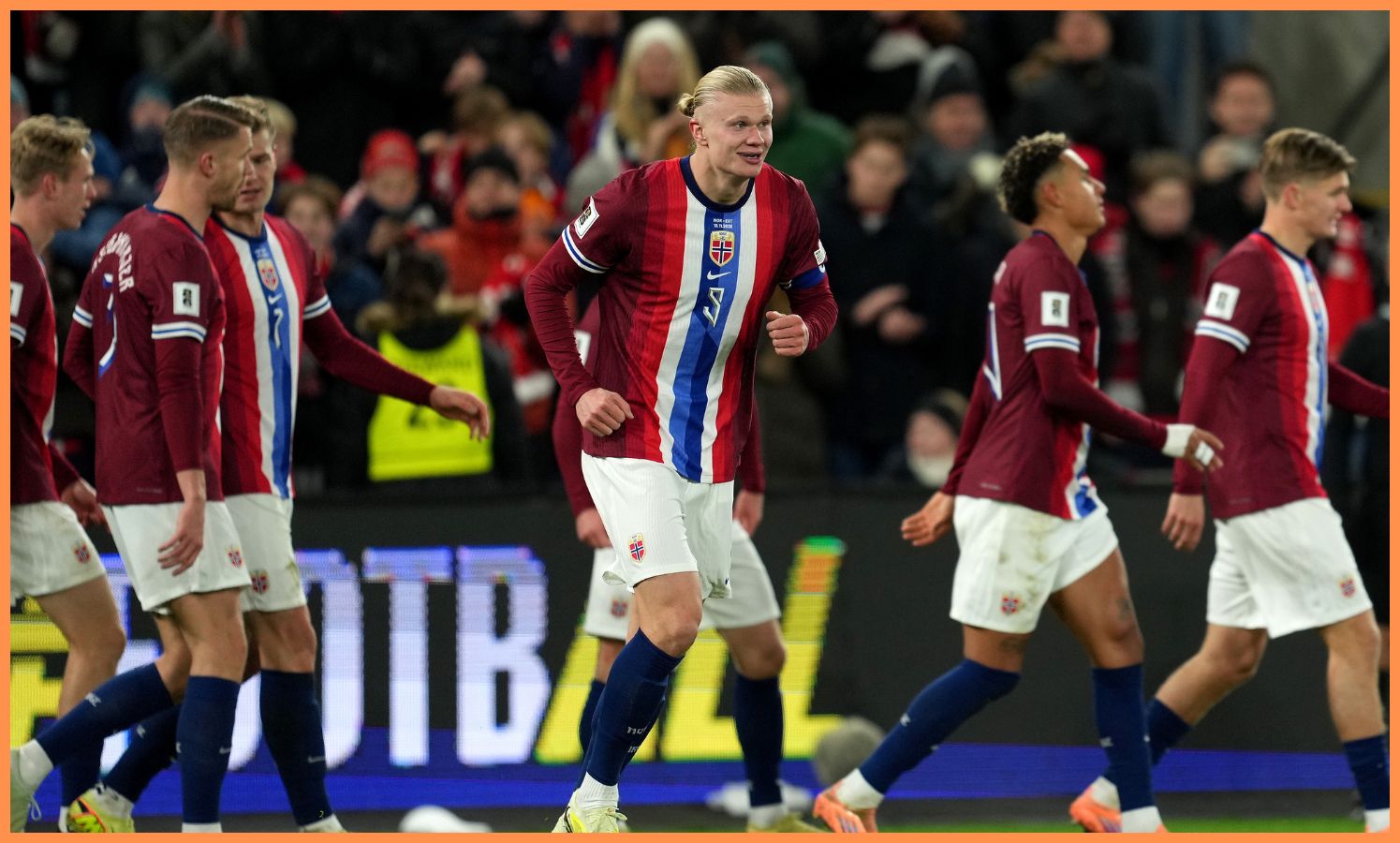
The emergence of talents like Erling Haaland and Martin Ødegaard signals a new era for Norwegian football. With Haaland’s exceptional goal-scoring abilities and Ødegaard’s creativity and leadership, Norway now possesses two players capable of transforming the future of the national team.
Their presence heralds a new beginning, transforming the squad’s fortunes. Haaland proves to be an unparalleled finishing talent, while Ødegaard’s vision is instrumental in dismantling rigid defenses. The team is also deepening its talent pool with players like Alexander Sorloth and emerging defensive prospects, enhancing their competitive edge.
However, winning the World Cup requires more than star players; it necessitates a cohesive team capable of managing the demands of a rigorous tournament schedule while adapting to various tactical systems under pressure.
Tactical Progress and Coaching Stability
Traditionally, Norwegian football has focused on physicality and direct play. Yet, modern competition demands tactical sophistication. Recent coaching strategies have shifted towards a possession-based approach, incorporating coordinated pressing and seamless transitions to leverage the team’s strengths.
For Norway to become a formidable World Cup contender, it is crucial to maintain coaching consistency. Successful teams often rely on well-established systems that have evolved over many years. A clear, long-term vision will enhance Norway’s ability to compete against the world’s elite teams.
Potential Hurdles for Norway’s Football Ambitions
Despite an array of talent, Norway faces structural challenges. The pool of players remains smaller compared to footballing powerhouses like France, Brazil, or Spain. Injuries to key figures, particularly Haaland or Ødegaard, could severely diminish the team’s prospects.
Moreover, the European qualification landscape is notoriously difficult, presenting a challenge for teams vying for tournament spots against the continent’s best. Without consistent qualification, the squad will lack exposure to the high-pressure environment of international tournaments.
Additionally, while Eliteserien is a solid breeding ground for talent, it does not match the intensity of top European leagues, potentially hindering the development of players for the rigors of international play.
Norway must also focus on strengthening its youth academies to compete with the established footballing nations. Without continued investment, this golden generation may end up being a fleeting moment rather than a foundation for sustained success.
A Realistic Vision for the Future
In the short term, it seems unlikely that Norway will clinch the World Cup, but the long-term prospects are bright. Key investments in youth development, improved football infrastructure, and the experience of top-level professionals are steering Norway towards a new level of competition.
With ongoing development, patience, and a strategic approach, Norway could emerge as a dark horse in future World Cups. The unpredictable nature of football suggests that a well-assembled team, endowed with generational talents, can achieve remarkable feats under the right circumstances.
While the current likelihood of a World Cup win may be low, the foundation for future success is undeniably strengthening. United by the talents of Haaland and Ødegaard, along with tactical advancements and a burgeoning player pool, Norway is redefining its football legacy.
If the team continues to evolve and gain valuable tournament experience, the vision of Norway lifting the World Cup could shift from mere fantasy to a tantalizing goal within reach.
n