The WTA 1000 Dubai Duty Free Championships have witnessed a dramatic turn of events, highlighted by the unexpected retirement of top seed Elena Rybakina during her match against Antonia Ruzic. This marked the latest in a string of withdrawals and retirements that has now reached a concerning total of 14 players in the tournament, raising questions about the intensity of the current tour schedule.
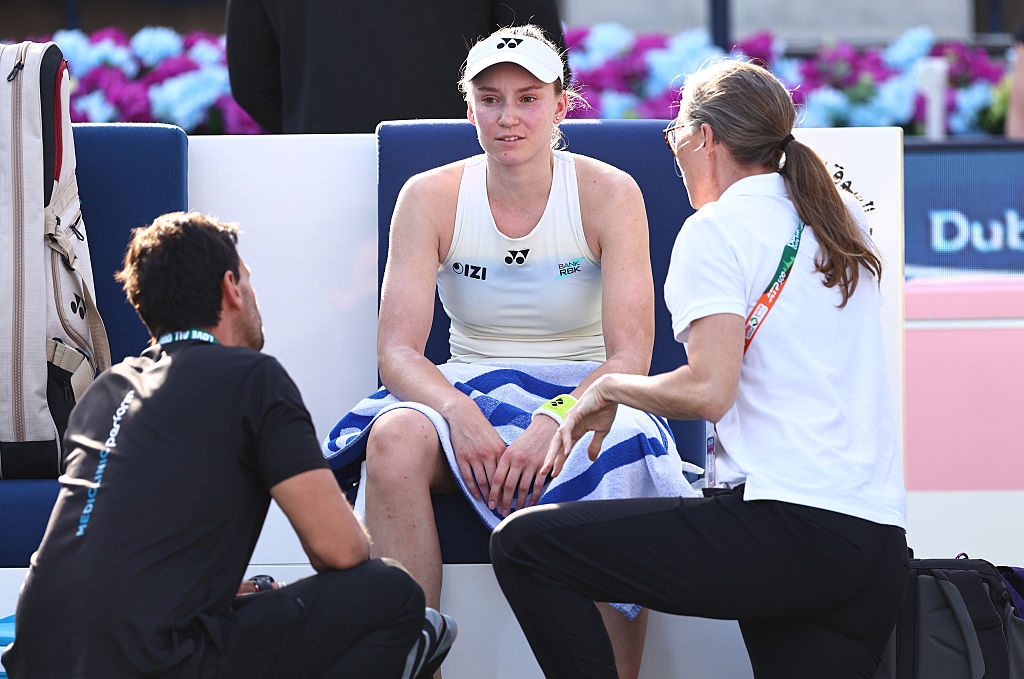
Rybakina, the recent Australian Open champion, abruptly called it quits mid-match, citing issues related to fatigue and leg pain. After initially displaying resilience against Ruzic, ranked No. 67, Rybakina had taken the first set 7-5 before the match turned against her. The Kazakh player struggled with her fitness, ultimately deciding to retire after dropping the second set 6-4. Rybakina’s decision sparked criticism and concern, particularly in light of the number of player absences in Dubai.
The scheduling of tournaments in the Middle East, which compresses a WTA 500 event in Abu Dhabi followed by back-to-back WTA 1000 events in Doha and Dubai within three weeks, has been a focal point in discussions about player welfare. Key players such as Aryna Sabalenka and Iga Swiatek have opted to skip the mandatory Dubai event, emphasizing the need for more manageable tournament commitments and recovery time.
On the social media front, Paula Badosa responded to accusations of disrespect toward the sport due to her own series of retirements. The Spanish player withdrew from four matches last year and faced yet another setback when she retired mid-match against Elina Svitolina due to a thigh injury. Badosa defended her choices on social media, detailing her struggles with chronic injuries and emphasizing the unseen challenges that athletes face.
As the discussion surrounding the pressures of professional tennis continues, Destanee Aiava’s recent announcement of her retirement from tennis at the age of 25 added to the dialogue. Aiava cited a toxic culture within the WTA as a contributing factor to her departure, summoning attention to mental health and ethical standards within the sport.
Amid these controversies, Amanda Anisimova, the new favorite to win the Dubai title following Rybakina’s exit, and defending champion Mirra Andreeva have progressed to the quarter-finals. Anisimova’s straight-set victory over wild card Janice Tjen showcased her ability to dominate, while Andreeva overcame a challenging match against Jaqueline Cristian to secure her spot.
The quarter-finals will also feature Jessica Pegula, who successfully advanced after defeating fellow American Iva Jovic. Pegula’s experience shone through as she maintained a strong service game and capitalized on critical points during the match to secure a 6-4, 6-2 victory. She now prepares to face Clara Tauson, who won her match against Magda Linette with a similar scoreline.
Coco Gauff demonstrated resilience and determination in her round-of-16 match, saving three match points to rally past Elise Mertens. The world No. 5 struggled early on but gathered momentum to secure a dramatic victory. Gauff’s opponent in the quarter-finals will be Alexandra Eala, who has impressed throughout the tournament and is making her quarter-final debut in Dubai.
As the tournament progresses and the player withdrawals continue to raise eyebrows, the question of player welfare and the demands of professional tennis remain at the forefront. The ongoing debates may pave the way for reconsiderations in scheduling and tournament structures to better support the well-being of athletes in the sport.