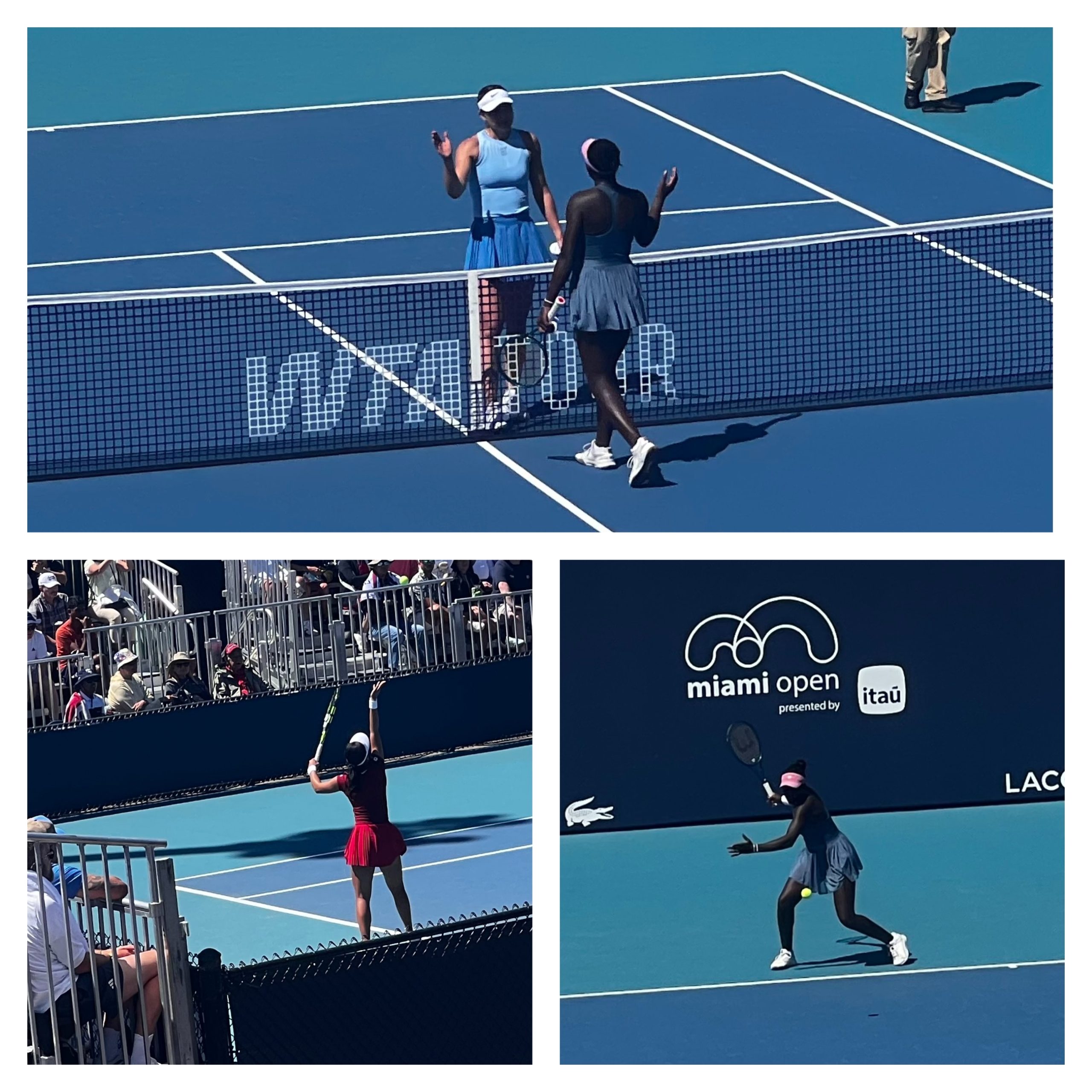

In the realm of professional tennis, precision has evolved from mere technical prowess to a complex interplay between data and instinct. Tools such as analytics are now essential, shaping strategies, enhancing performance, and delivering a new lens through which both players and fans can appreciate the game. The integration of technology enables detailed insights that were previously unimaginable; every match becomes a treasure trove of data, illustrating the minute nuances that define victory or defeat.
As the current tennis season progresses, we’ve witnessed incredible performances, including standout matches in recent tournaments. For instance, the latest Grand Slam showcased thrilling showdowns, with top-ranked players like Novak Djokovic and Iga Swiatek commanding the courts. Djokovic, currently holding the number one spot in the ATP rankings, faced a formidable opponent in the quarterfinals, ultimately winning in straight sets, demonstrating his mastery and finesse. Conversely, Swiatek, the WTA’s leading player, displayed her resilience against a rising star, overcoming a tough challenge to secure her place in the semifinals.
The traditional wisdom of tennis has long relied on on-court experience and player intuition. However, the introduction of performance analytics has redefined training methodologies. Modern coaching strategies now incorporate granular data points—ball speed, shot placement, and player movement are monitored continuously. This information allows athletes to discern patterns in their gameplay as well as that of their competitors, translating raw statistics into actionable strategies. Coaches now utilize advanced metrics to tailor training regimens, enabling players to focus on specific areas needing improvement.
In a recent analysis of player performances, metrics indicate that small adjustments, such as repositioning slightly during service returns, can radically alter match outcomes. Even the most seasoned players are embracing this new philosophy; the data-driven approach effectively supplements their natural instincts, enhancing their decision-making process in real-time conditions.
Moreover, the influence of analytics extends beyond the confines of the court. Spectators are now intricately linked to the data renaissance, with real-time statistics and insights becoming integral to the fan experience. Graphics illustrating player performance trends and in-depth analysis of match statistics are woven into broadcasts and streaming platforms. This innovation not only fuels engagement but transforms spectators into informed viewers, deeply aware of the strategies unfolding before them.
The multifaceted nature of data in sports also finds its echo in various sectors outside of tennis. The principles of predictive analytics foster engagement across fantasy sports platforms, enhancing user experience by offering tailored insights based on performance probabilities. The crossover to the business of sports is evident; data has become a more profound element, shaping how fans interact with their favorite athletes and teams.
However, the intertwining of data and performance brings forth the paradox of precision versus the sport’s inherent unpredictability. Despite the analytical advancements, tennis retains an essence of spontaneity that captivates both players and audiences alike. Moments of breathtaking unpredictability—an emotional surge during a critical break point or an unexpected shot placement—underscore the very drama that makes tennis compelling.
Ultimately, analytics serve as a sophisticated tool, enhancing understanding while leaving room for the human element that defines sport. The fusion between precision and instinct embodies the true spirit of tennis. Each point scored reflects not only the execution of perfect technique but also the player’s ability to navigate the pressures of competition, making every moment on the court significant.
In this rapidly evolving landscape of tennis, where every decision is influenced by data yet driven by human emotion, the essence of the game flourishes. It’s a reminder that while numbers may tell a story, it’s the players—equipped with both analytics and heart—who write the narrative of this beautiful and unpredictable sport.