Assessing Premier League Team Fortunes: Luck, Injuries, and Refereeing Decisions
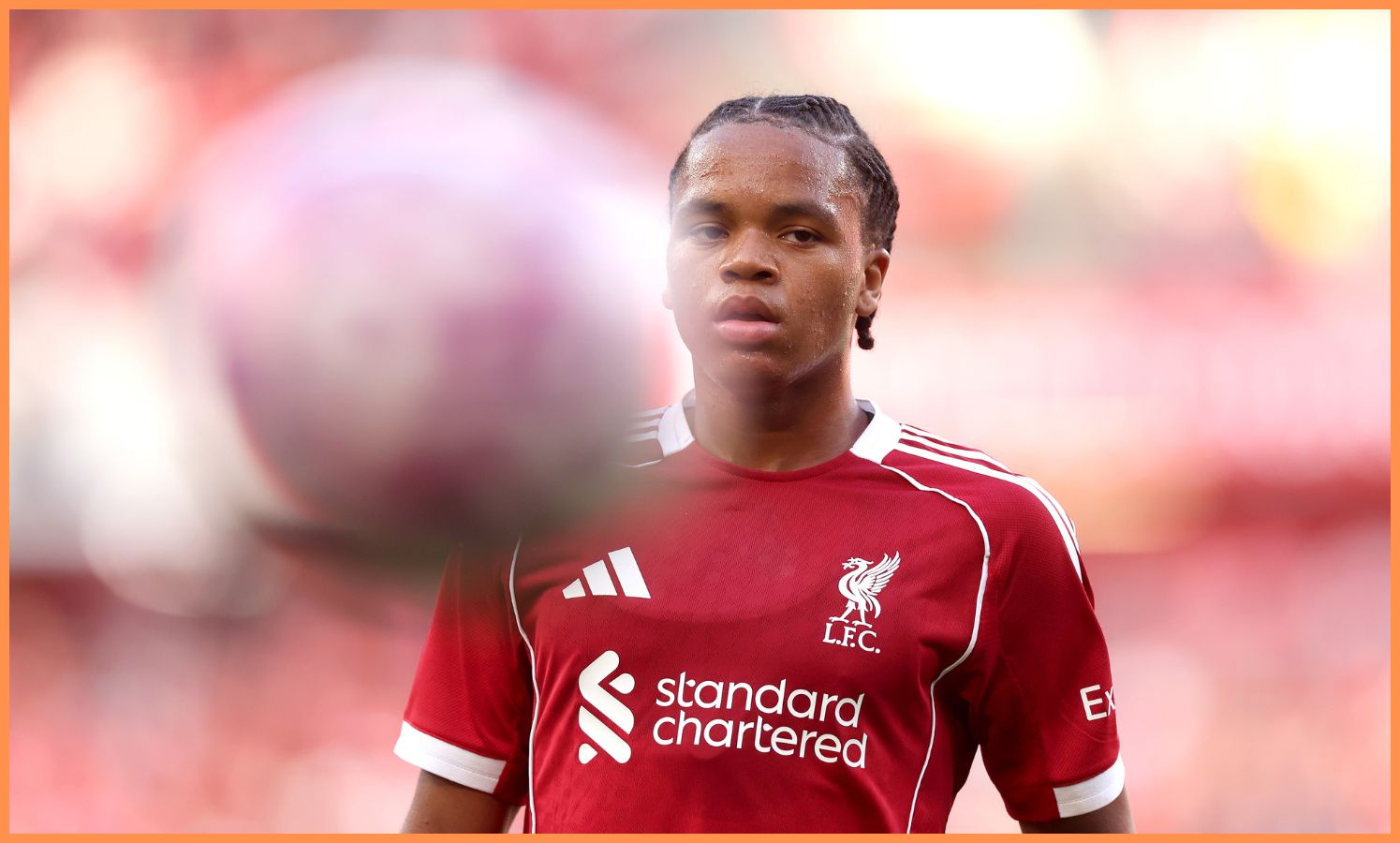
According to football analyst Steve Nicol, the form of Florian Wirtz at Liverpool may heavily depend on the overall performance of the team. He emphasizes that Wirtz’s potential is maximized only when the entire squad plays well.
Historically, it’s been proclaimed that a team’s luck balances out over a grueling 38-match Premier League season. Although teams face each other twice, elements like refereeing choices, injuries, and managerial changes significantly influence a club’s success.
This article seeks to provide an analysis—without scientific backing—of which Premier League clubs have benefited from favorable circumstances or have faced unfortunate events this season. Below, we explore three key categories that contribute to these outcomes:
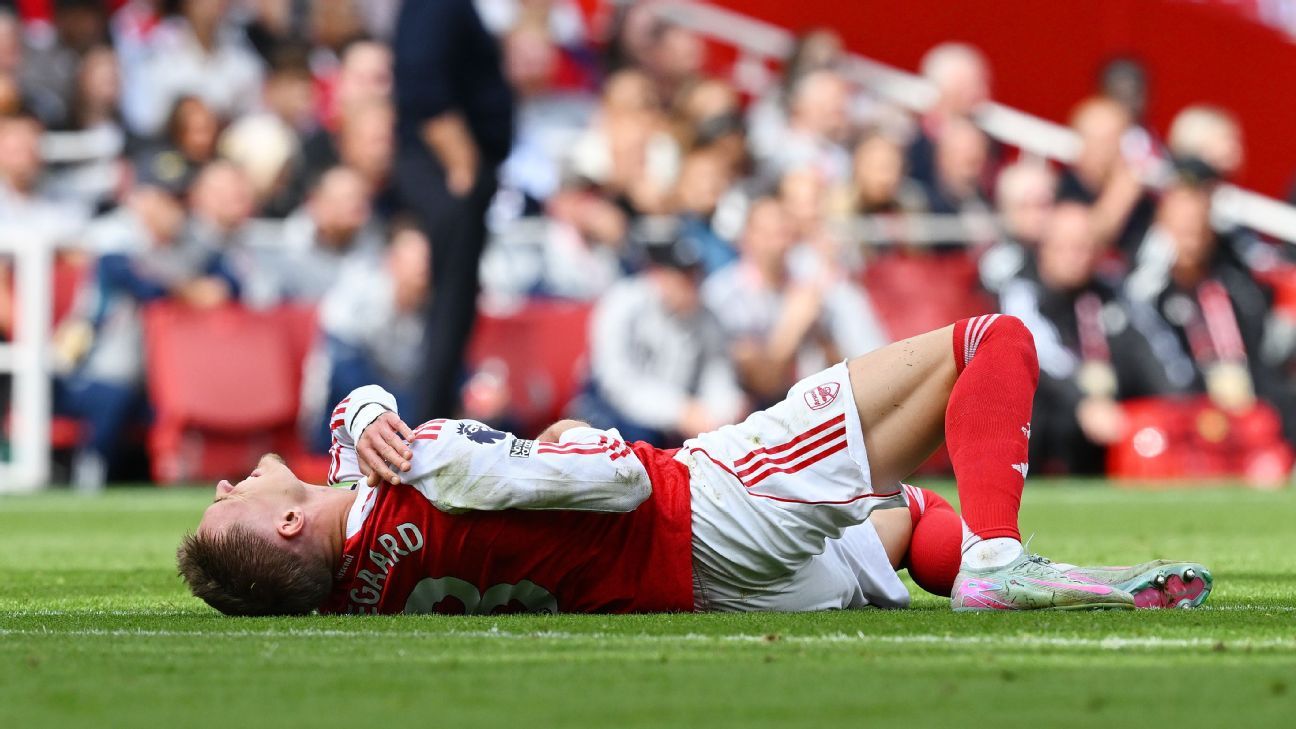
- 1) Injuries: We focus on clubs dealing with losses of multiple key players, not just a single injury. For example, a match against Chelsea without Cole Palmer, or Arsenal missing Bukayo Saka and Martin Ødegaard, would yield entirely different results.
- 2) Changes in Management: The theory of the “new manager bounce” indicates that facing a team whose coach has just been replaced can be a disadvantage.
- 3) Refereeing and VAR errors: A concrete aspect that can be measured through confirmed mistakes, with six documented errors so far this season.
Exploring these factors sheds light on why some clubs have exceeded or fallen short of expectations across the first 11 weekends of the season.
Injury Analysis
LUCKY: Benefiting from Opponent Injuries
Liverpool started their season with five consecutive Premier League victories. However, many believe their performances did not reflect their luck, as they obtained several wins through late goals against teams struggling with injuries. In their inaugural match, Liverpool secured a 4-2 victory against AFC Bournemouth, who were shorthanded in midfield. A couple of weeks later, they narrowly defeated Arsenal 1-0, who were missing key players including Saka and Ødegaard, as well as losing center-back William Saliba within minutes of kickoff.
Meanwhile, Nottingham Forest has also enjoyed some luck in facing injury-riddled opponents. They began their campaign with a win over Brentford, who were without key midfielder Mikkel Damsgaard. Later, they endured a defeat to Arsenal missing Saka and Ødegaard and couldn’t capitalize on a Chelsea side lacking Palmer and Enzo Fernández, resulting in a 3-0 loss.
UNLUCKY: Suffering from Team Injuries
Arsenal currently sit atop the Premier League table, an impressive feat considering their struggles with injuries to vital players. In their opening match against Liverpool, they were missing Saka, Ødegaard, and Saliba—which contributed to a 1-0 defeat. Similar situations arose against Manchester City and Crystal Palace, in which they also played without several significant contributors.
Fulham have struggled recently, losing five out of their last six matches, largely due to injury challenges. Manager Marco Silva has often had to work without any recognized strikers, while defensive misfortunes left them exposed. Key players have been sidelined, such as left-back Antonee Robinson and center-back Joachim Andersen.
Chelsea, despite their larger squad, has also faced considerable injury challenges. They’ve been particularly impacted in central defense and midfield due to the absence of key figures like Palmer, who has missed several games this season. Their ability to achieve results with such a depleted lineup has been notable.
Managerial Changes
So far this season, there have been four managerial changes across the league, impacting teams like Nottingham Forest, West Ham, and Wolves. The implications of these changes lead to teams potentially facing the so-called “new manager bounce.”
LUCKY: Opponents in Crisis
When Forest dismissed their former manager Nuno Espirito Santo for Ange Postecoglou, Arsenal reaped the benefits, defeating them 3-0 amid the turmoil. Similarly, Bournemouth took advantage when Forest sacked Postecoglou shortly after, as they lost their first match under the new coaching regime.
UNLUCKY: Encountering the ‘New Manager Bounce’
In contrast, Everton faced challenges when West Ham appointed Nuno immediately after his departure from Forest. The Hammers secured a draw against Everton, which ended a month-long winless stretch for them, demonstrating the significant impact of managerial changes.
Confirmed VAR Errors
LUCKY: Benefiting from Controversial Decisions
UNLUCKY: Suffering from VAR Mistakes
This season, there have been six confirmed VAR errors impacting various teams:
LUCKY: AFC Bournemouth
UNLUCKY: Liverpool
AFC Bournemouth avoided a red card in their debut match against Liverpool, although Liverpool still won 4-2.
LUCKY: Chelsea
UNLUCKY: Fulham
Fulham’s opening goal against Chelsea was incorrectly disallowed on VAR review for a foul. The Cottagers ultimately fell 2-0.
LUCKY: Everton
UNLUCKY: Wolves
Wolves experienced a missed penalty call late in their match against Everton, which contributed to their loss.
LUCKY: Brentford
UNLUCKY: Manchester United
Manchester United were frustrated by a lenient decision not to show a red card to Brentford’s Nathan Collins during a pivotal moment in their match.
LUCKY: Chelsea
UNLUCKY: Brighton
Brighton & Hove Albion were denied a clear penalty for a foul on Yankuba Minteh by Chelsea. The Seagulls went on to win the match.
LUCKY: Bournemouth
UNLUCKY: Crystal Palace
AFC Bournemouth’s Marcos Senesi escaped punishment for a challenge that should have resulted in a red card, yet Crystal Palace managed to equalize anyway.
CONCLUSION
These insights illustrate the complexities and fluctuations of luck in the Premier League season. Liverpool’s early successes came partly from facing weakened opponents, while Fulham’s struggles show how injuries affect performance. Chelsea’s position in the standings showcases their resilience despite challenges, highlighting the unpredictable nature of the league. Keep an eye out for further developments as the season unfolds.
n