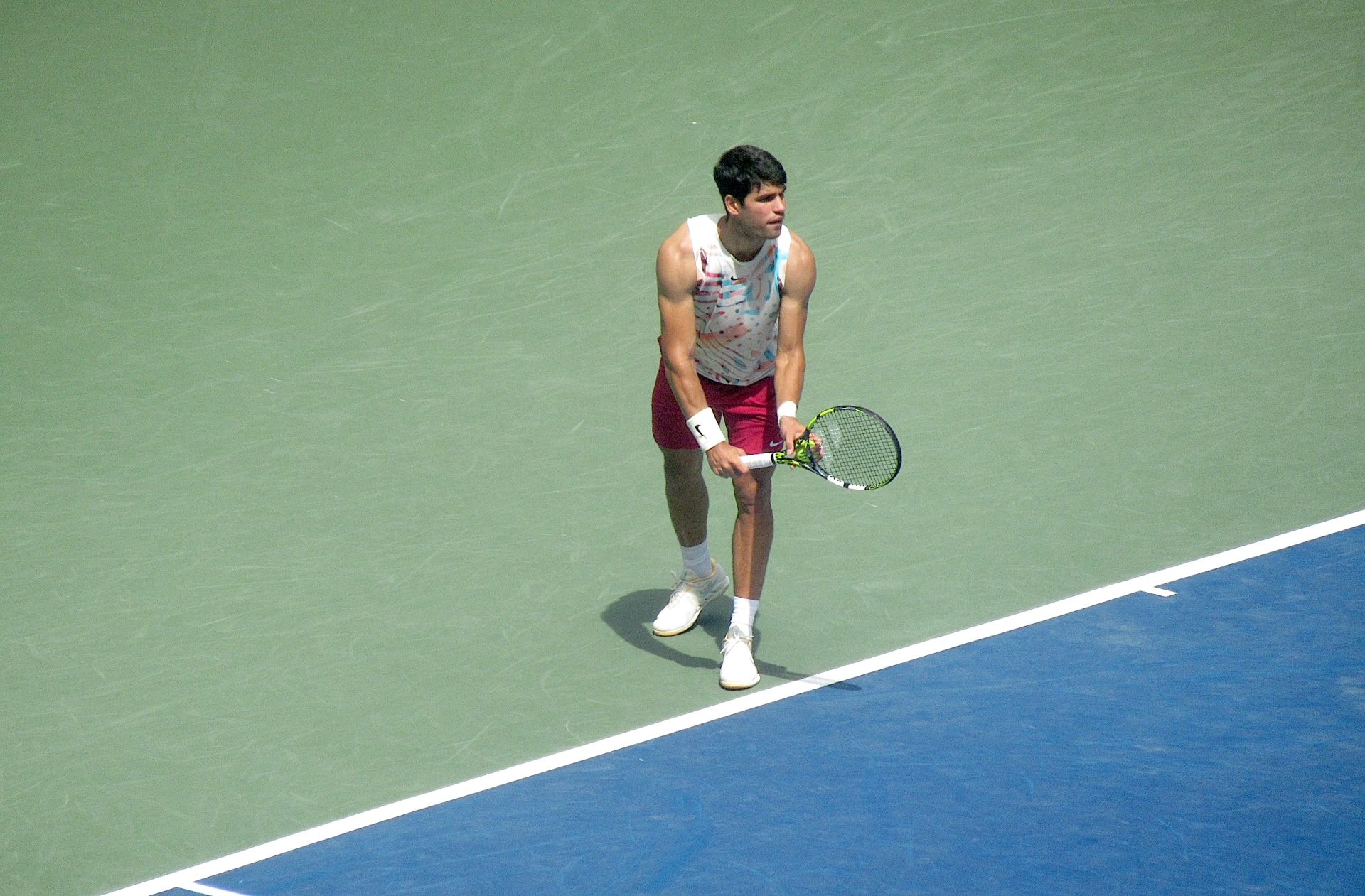
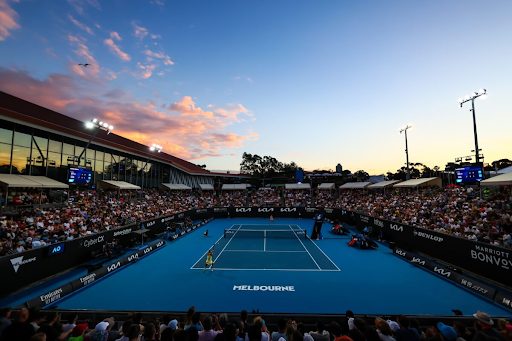
The 2026 tennis season is proving to be an exhilarating chapter in the history of the sport, marked by a blend of established stars, fresh talent, and a highly competitive atmosphere across both the ATP and WTA tours. As the action unfolds, players are navigating through varied surfaces — from the hard courts of Australia to the clay of Europe and the grass courts of Wimbledon — while also contending with injuries, shifts in rankings, and evolving tournament dynamics.
Financial growth within the ATP is particularly noteworthy as it ushers in an era of unprecedented player earnings and enhanced opportunities. A record 88 players surpassed $1 million in on-court earnings in 2025, highlighting an economically thriving tour. The ATP 250 and 500 events are drawing larger fields as players jockey for position in both rankings and prize money. With tournaments like the United Cup boasting over $11 million in prizes, the structure of the tour ensures increasingly high-caliber matches from the very first rounds, minimizing mismatches and maximizing competition.
On the women’s side, the 2026 WTA Tour is teeming with opportunity and volatility, featuring 57 events, including four Grand Slams and a plethora of 1000 and 500 series tournaments. The ever-growing prize money rewards consistent performance, prompting players to maintain their form across diverse surfaces. Leaders in earnings, such as Elena Rybakina, who has accumulated over $2.7 million, and rising stars like Amanda Anisimova, are reshaping the competitive landscape. The shifts in rankings not only affect seedings but also alter the dynamics of matchups in key tournaments.
The significance of Grand Slams, especially following the Australian Open, cannot be understated. Rybakina’s victory over Aryna Sabalenka reinforced her status among the top players and influenced future seeding at hard-court events. For the men, Carlos Alcaraz, fresh from victory in Doha, continues to demonstrate his enduring ability to maintain the world No. 1 ranking after more than a year at the top, showcasing a record of 150 hard-court wins that solidify his dominance.
The ATP is witnessing an influx of young talent challenging the old guard. Players like Rafa Jodar and Zhang Zhizhen are making waves as they capitalize on momentum from lower-tier events to secure impressive wins in main draws. This trend is blurring the lines between seasoned competitors and emerging stars, creating a landscape where upsets during early rounds are becoming the norm.
On the WTA side, the emergence of youthful contenders is notable as teenagers rise through the ranks and veterans navigate career resurgences. The influx of talented youngsters brings fresh energy and unpredictability, while veterans like Jasmine Paolini showcase resilience and strategic acumen, ensuring the competition remains fierce.
As the season progresses, the choice of surfaces and tactical planning will play a crucial role in shaping outcomes. Players will need to leverage their strengths while adapting to the specific demands of each surface. With an eye on crucial tournaments like the Qatar TotalEnergies Open, athletes will balance their desire for quick ranking gains against the necessity for proper energy management prior to the demanding clay court season.
As both tours gear up for a packed schedule filled with significant title matches and emerging storylines, the interplay of youth and experience will highlight the ongoing evolution of professional tennis. With escalating financial incentives and shifting power dynamics, the outlook for the remainder of 2026 is set to be as unpredictable and exciting as ever, promising a landscape rife with competition and opportunity for all players involved.