Haiti’s World Cup Qualification Journey Faces Adversity
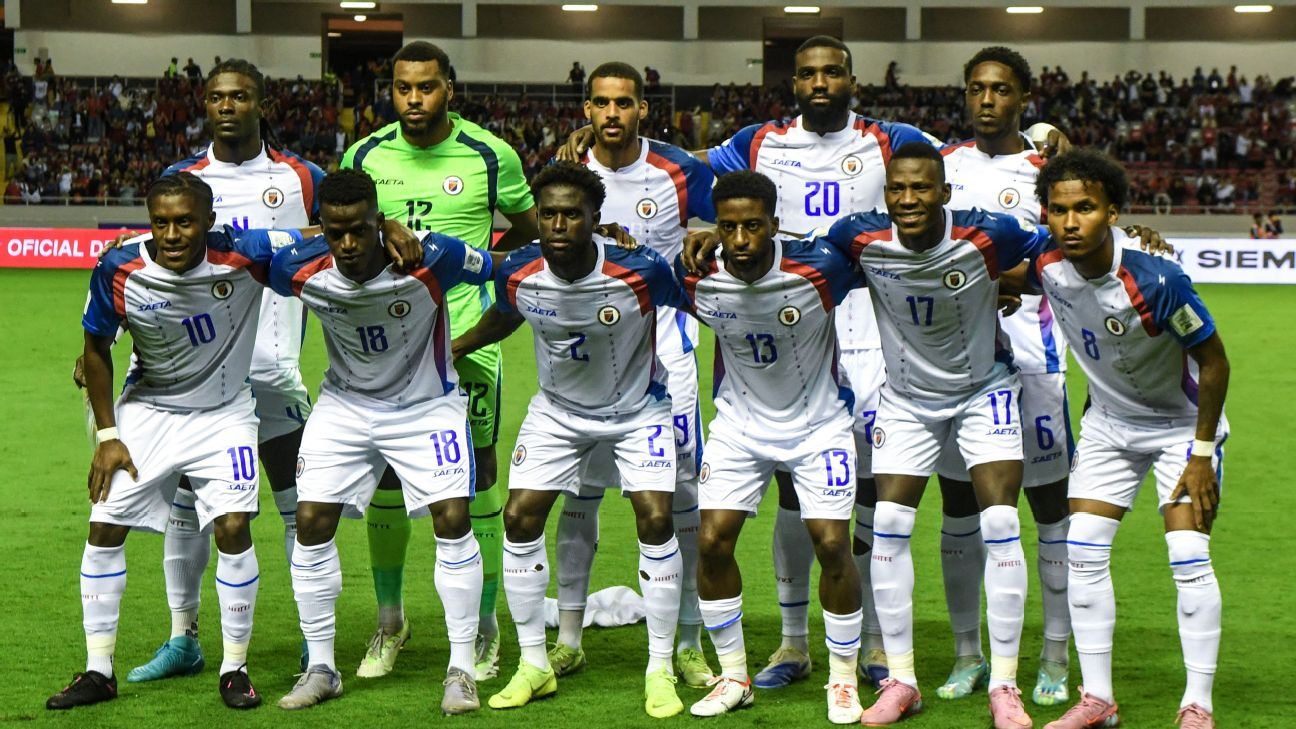
On a stormy night in Managua, Nicaragua, the atmosphere was electric as fans braved extreme weather conditions during a World Cup qualification match against Haiti last month. Haiti defender Duke Lacroix recounted the surreal experience, characterized by heavy rain that made visibility nearly impossible during goal kicks.
“The rain was relentless, and with each lightning strike, the fans went wild,” Lacroix said. “When the power went out, the excitement only grew. Nobody left their seats.” Despite the chaos, Haiti emerged victorious with a decisive 3-0 win, sending the home fans away disappointed.
“Competing away from home, it’s essential to embrace the challenge and quiet the crowd,” Lacroix noted.
As Haiti prepares to host its final qualifying match for the FIFA World Cup on Tuesday, the energy will be markedly different from their recent travels in Central America.
Haiti’s national stadium, Stade Sylvio Cator, has been compromised due to gang violence, a situation confirmed by the Haitian football federation’s public statements. Events have been suspended since March 2024, and the future of the venue remains uncertain, leaving the team without a home ground during this critical period.
The political turmoil following the 2021 assassination of President Jovenel Moïse has contributed to widespread violence and instability in Haiti, with over 1.3 million individuals displaced according to a July 2025 United Nations report.
“People are fleeing their homes,” said Don Deedson Louicius, an FC Dallas striker, who still has family living near the turbulent Toussaint Louverture Airport. Gunfire incidents in November 2024 led to airline bans on U.S. flights to Haiti, compounding the suffering of residents in the area.
“Conditions are dire, and everywhere feels unsafe,” Louicius added.
This fall, Haiti has found refuge as an away team in Curaçao, with matches against Costa Rica and Nicaragua scheduled at Ergilio Hato Stadium in Willemstad, significantly distanced from Haiti. This places Haiti alongside teams like Ukraine and Palestine, striving for World Cup qualification without the advantage of local support. Currently sitting at five points, Haiti will likely need to achieve a total of 11 points to secure a spot in the 2026 tournament hosted by Canada, Mexico, and the U.S.
The players are motivated to deliver a performance that could have far-reaching implications for both Haitian soccer and their nation’s morale.
In World Cup qualifying, the atmosphere often plays a pivotal role. For instance, Bolivia has been successful partly due to the altitude advantage at Estadio de Villa Ingenio, located 13,615 feet above sea level. Even highly competitive teams like the U.S. men’s national team have utilized weather extremes to their advantage, previously defeating Honduras in sub-zero temperatures.
The last home match for Haiti’s senior national team took place in July 2021 against Canada, a game shadowed by safety concerns that had affected earlier matches. The Belize team, visiting for a World Cup qualifier, faced intimidation from armed gangs en route to their hotel, which cast a pall over the visiting team’s experience.
With the national team’s absence from home games extending over four years, several players now compete for Haiti despite never having played in front of their fellow countrymen. “I’ve always heard how uplifting it is to have local supporters,” said Garven Metusala, a defender who debuted in 2022. “We’re accustomed to the circumstances now, but the experience of not playing at home is disappointing.”
Despite the challenges, many believe soccer is crucial for Haiti. Marie Elise Obas, secretary-general of the Ligue Haïtienne de Football, emphasized that sports provide not just entertainment but significant pathways for youth, steering them away from gangs. Following a series of special tournaments, the first division resumed play, highlighting the spirit of resilience amidst ongoing insecurity.
Haitian players continue to dream of a time when they can compete at home. The team faces considerable obstacles, with financial repercussions from being forced to play away from their fans. Obas highlighted that the absence of local matches results in substantial income losses for the team.
Coach Sébastien Migné expressed a desire for the team to return to Haiti: “For the fans and myself, playing in Haiti would be ideal. However, it’s not within my control.” He urged the federation to consider locations with substantial Haitian communities, such as Canada or the U.S.
As political tensions simmer, alternatives for hosting matches have become increasingly difficult. Recent U.S. visa restrictions for Haitians have further complicated matters, while the Dominican Republic has tightened entry for those holding Haitian passports, making travel for team events more challenging.
For many players, interaction with fans happens through digital platforms, reflecting their support despite physical distance. The outpouring of love from fans via social media lifts the team’s spirit, reinforcing the emotional bond even without direct contact. “Even when our fans aren’t physically present, messages of encouragement make us feel connected,” Louicius said. “After our win against Nicaragua, support poured in from Haitians all over the globe.”
The players recognize the potential of qualifying for the World Cup as transformative for their nation, a chance to bring hope and joy to a country in dire need of uplifting. “We believe this could change a lot in Haiti,” Metusala expressed. “Haitians are proud and passionate; we want to qualify not just for ourselves, but for them.”
Several within the team have reflected on the possibility of instigating meaningful change—akin to Didier Drogba’s impactful speech for peace in Ivory Coast after their successful 2006 World Cup qualifier. “We believe that reaching the top could bring about a new future for Haiti,” Louicius concluded, indicating the players’ hope in their significant role amid adversity.
Soccer holds a special place in the hearts of Haitians, uniting them in support of their teams and providing a glimmer of hope for a brighter future amid uncertain times.
n