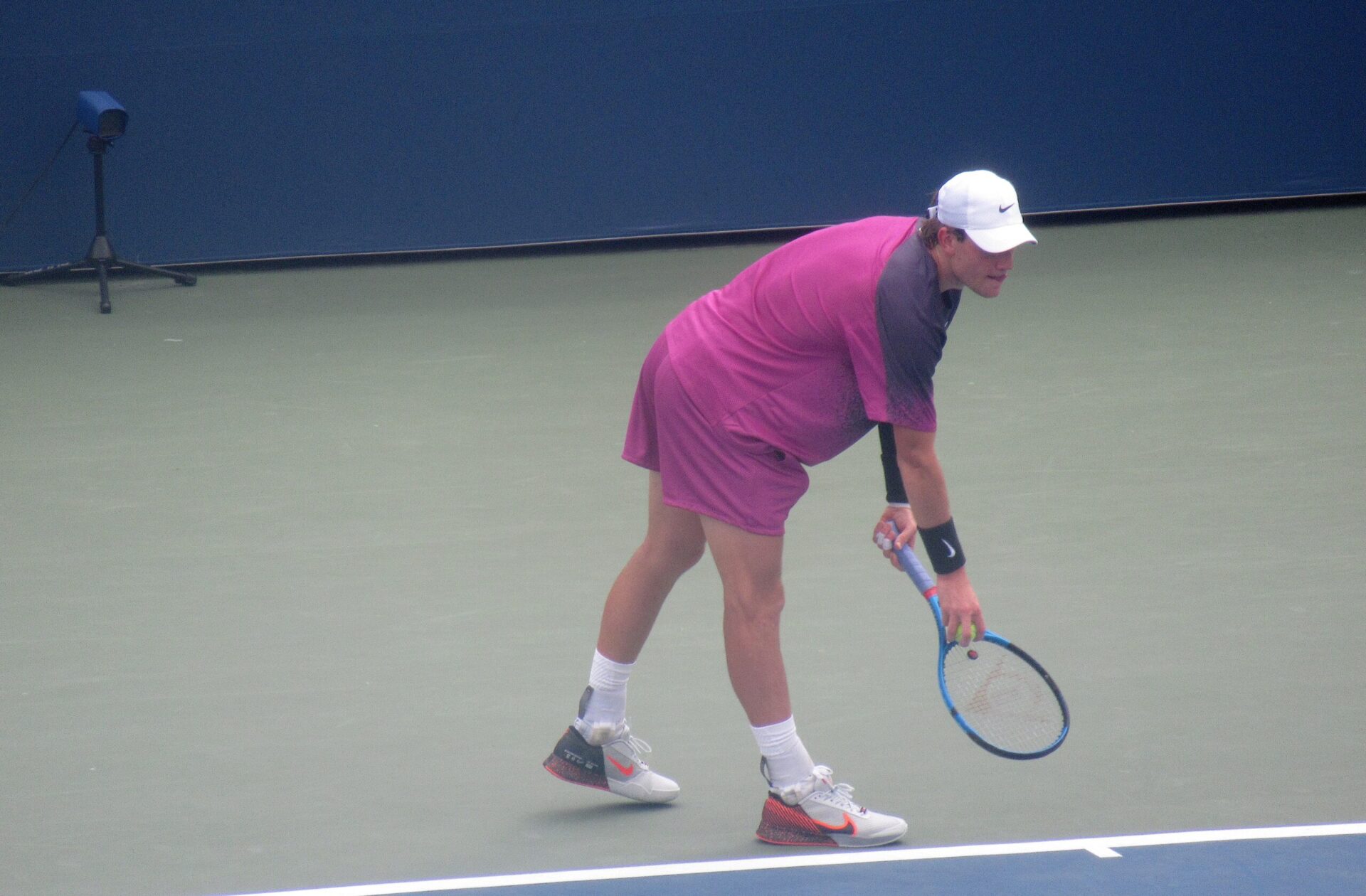
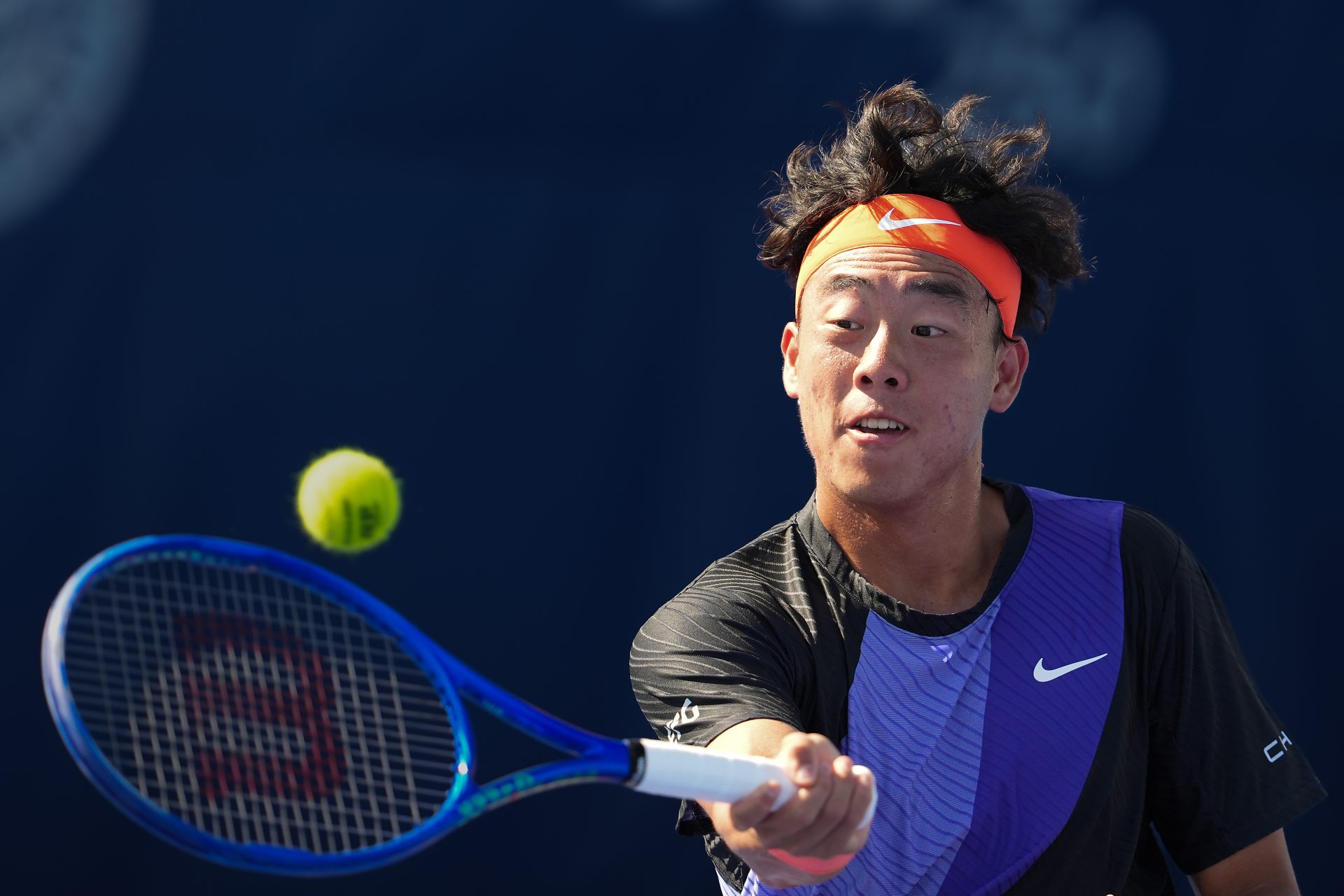
The Houston ATP 250 tournament is set to deliver an exciting display of tennis this week, with two American stars, Brandon Nakashima and Alex Michelsen, beginning their campaigns on Tuesday. Both athletes face intriguing challenges that could significantly impact their journeys in this clay-court event.
Brandon Nakashima, currently ranked 33rd in the world, looks forward to building on his previous performances at the U.S. Men’s Clay Court Championship, having reached the quarterfinals in 2024 and the semifinals in 2025. Nakashima has shown strong form this season, highlighted by his run to the final in Brisbane and a semifinal appearance in Acapulco. His first-round opponent, Martin Damm, enters this match with the challenge of facing a player of Nakashima’s caliber for the first time. While Damm possesses a powerful serve that can pose problems, he is relatively inexperienced on clay, and this surface may not complement his hard-hitting game. Given Nakashima’s recent successes and familiarity with the clay, he is favored to advance smoothly.
In another matchup, the spotlight will be on Alex Michelsen as he takes on Coleman Wong, marking the first encounter between the two. Michelsen has demonstrated his potential by reaching the fourth round in both Indian Wells and Miami recently, but he enters the clay season with less enthusiasm. Despite not being entirely ineffective on clay, it is widely regarded as his least preferred surface. On the other hand, Wong, ranked 124th in the world and hailing from Hong Kong, may find success on clay more attainable than Michelsen. With solid performances earlier this season, including a quarterfinal finish in both Hong Kong and Delray Beach, Wong could very well pull off a surprise against the seventh seed.
As both matches unfold, the expectations are set high for Nakashima to secure a straight-sets victory, while an upset from Wong in a tightly contested three-set match may not be out of the question. The outcomes will not only influence their standings in the tournament but could also reflect their adaptability to the clay surface as the season progresses.