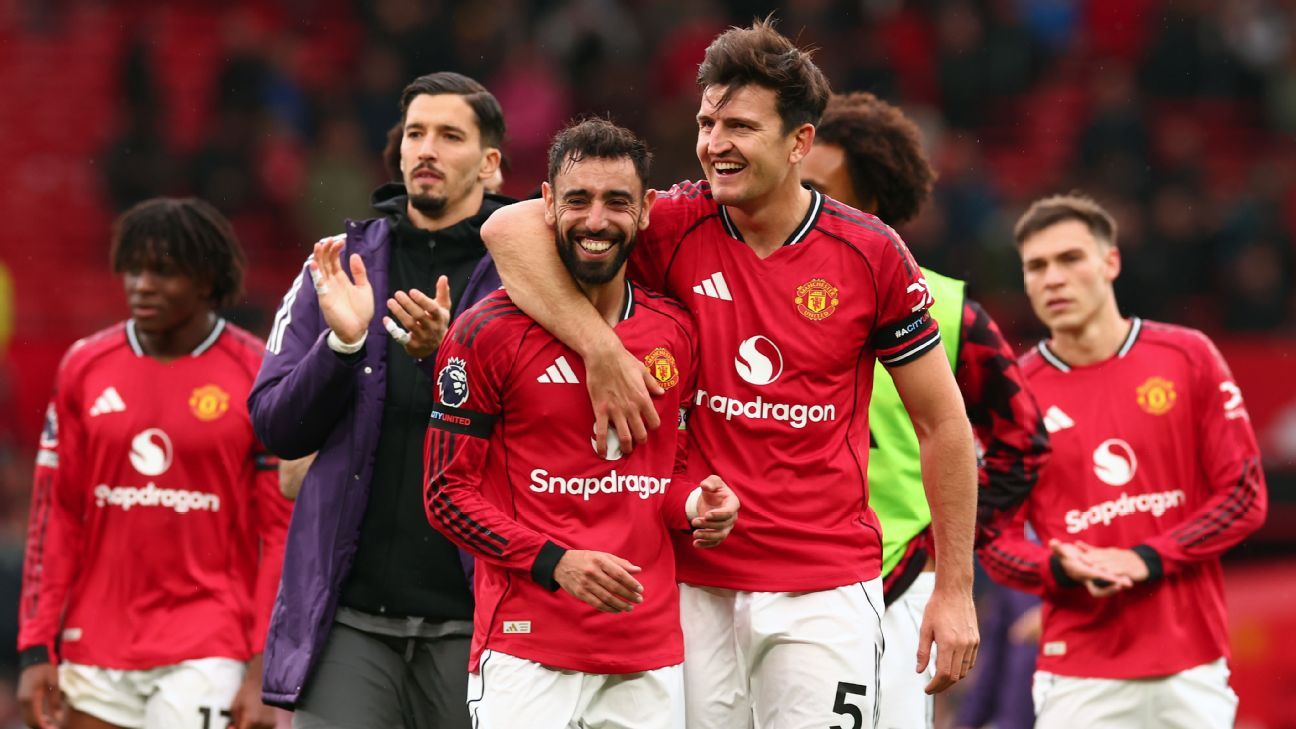
Manchester United Faces Liverpool as Club Seeks Revival
Manchester United is poised to face Liverpool in a significant Premier League matchup this Sunday at Anfield, a game that may highlight the potential resurgence of one of football’s most iconic brands.
While Liverpool’s American owners, Fenway Sports Group (FSG), celebrate a transformative 15 years, during which they’ve secured two league titles and a UEFA Champions League trophy, United finds itself in a challenging phase. This period, marked by managerial changes and ownership issues, followed a long era of dominance under Sir Alex Ferguson.
Despite the contrasting fortunes of the two clubs, there is a belief that United, like Liverpool, has the capability to regain its status as a global football powerhouse. The inherent strengths and advantages that come with its rich history suggest that recovery is ultimately a question of time as opposed to possibility.
A former United executive reflected, “The club’s legacy and global fan following mean that, metaphorically speaking, they only need a few lucky rolls of the dice to succeed, unlike Liverpool and Manchester City, who seem to be consistently on winning streaks.” The former United official emphasized the importance of making the right decisions in the boardroom to harness the club’s commercial strength effectively.
Revenue Despite Struggles
The current reality for United, whose last league title came in 2013 and last Champions League victory in 2008, is a struggle to compete for top honors. Liverpool took three years under FSG to contend for the title again, demonstrating that a turnaround is achievable. Observers note that critical hires and decisions can change the trajectory of a club’s fortunes.
Yet, United is in turmoil, having cycled through five managers since 2014, alongside problematic transfer decisions and financial turbulence under the Glazer family’s co-ownership. Nevertheless, recent financial reports indicate that United remains a sleeping giant with the potential for a significant resurgence.
Commercial Power Still in Play
Despite their recent struggles, United commands considerable interest in the commercial sector. Adidas’ renewal of a major sponsorship for £90 million reflects the club’s ongoing appeal. However, performance on the pitch critically impacts commercial success; Liverpool’s achievements last season yielded £257.63 million compared to United’s £166.9 million.
Experts believe that if United can restore its competitive edge, earnings could rise significantly, attracting top talent and sponsors alike. Richard Arnold, a former commercial director for United, noted that while the club still holds major sponsorship deals, success is key to ensuring future contracts maintain their value.
Freedman analysis shows how crucial on-field performance is to the club’s commercial interests, highlighting a stark contrast as United struggles to maintain its stature. On the other hand, Freedman noted that while many clubs have improved commercially, the market remains strong, particularly in China and the U.S., and there’s still substantial potential for United to capitalize upon.
The Road Ahead for United
Looking ahead, United faces both infrastructural and financial challenges, including a potential £2 billion investment in a new stadium. However, projections suggest a lucrative naming rights deal could enhance matchday revenues significantly.
Although Liverpool appears well-coordinated across all facets, United resource management has lagged in recent years. Stylsvig, a recently appointed executive, acknowledges the vast potential and financial clout of United, but stresses the importance of unified operation strategy to get the club back on track.
In conclusion, despite their challenges, United remains a formidable entity in football, with the latent potential to revitalize itself. Their upcoming match against Liverpool provides an opportunity to begin this turnaround with an emphatic statement.
n