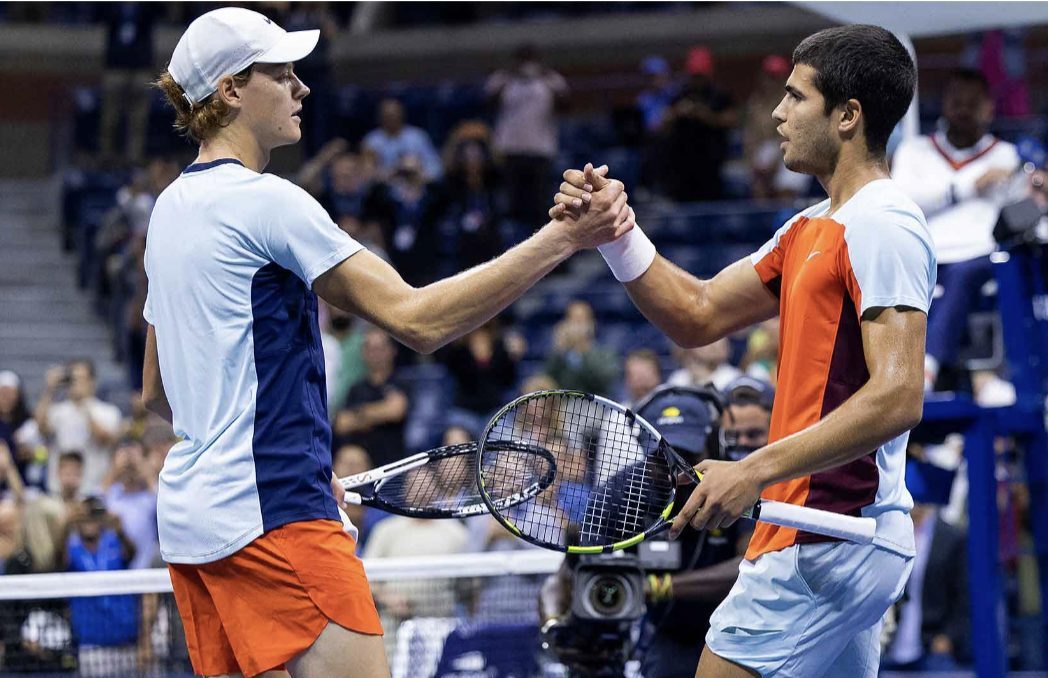
As the tennis season draws to a close for 2025, discussions surrounding the sport’s demanding calendar have reached a fever pitch. Players from various ranks have voiced their concerns about the grueling schedule, which has come under scrutiny for its potential toll on their physical and mental well-being.
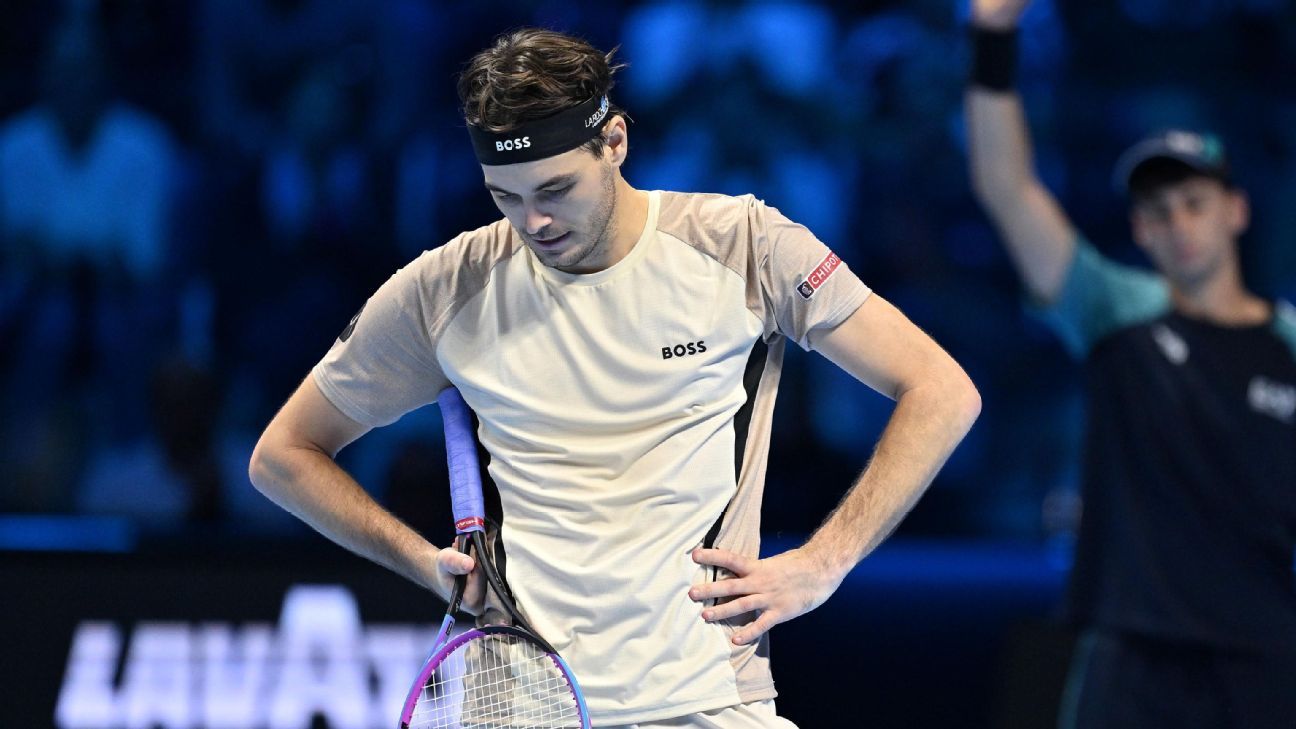
The current professional tennis season kicked off on December 27, 2024, with the United Cup in Australia, barely five days after Joao Fonseca claimed the title at the ATP Next Gen Finals. In recent years, the quick transitions between tournaments have left athletes with minimal downtime, prompting complaints from many top players. As Taylor Fritz, currently ranked sixth in the world, lamented, “I get one week off the whole year. It’s absurd.” His early exit from the 2025 ATP Finals only highlighted the urgent need for reform.
The length and intensity of the season have become particularly pressing issues, especially after a successful yet exhausting run for Fritz. In 2024, he achieved remarkable milestones, including reaching the US Open final and securing two ATP titles, but this success has led to an extended season without sufficient rest. Fritz shared his frustration with the accelerated pace, stating, “If you’re a top player, you actually get even less of an offseason.”
The cumulative wear and tear have prompted players like Iga Swiatek and Alex de Minaur to openly express feelings of burnout. After a disappointing early exit in 2025, de Minaur attributed his performance partly to feeling “burned out” from the continuous grind. Similarly, Swiatek articulated her struggles with the demanding schedule, especially after her inability to compete in key events due to fatigue and injuries.
Injuries have also cast a shadow over the 2025 season, with several players, including Frances Tiafoe and Daria Kasatkina, opting to cut their seasons short. Kasatkina candidly articulated her struggle via social media, detailing the mental exhaustion that has come from the relentless nature of life on the tour.
The physical demands of the sport are further exacerbated by the requirements set forth by the ATP and WTA, which stipulate the number of tournaments players must participate in each season to maintain their ranking points. With the addition of a new Masters 1000 event in Saudi Arabia set to debut in 2028, the compressed schedule and its implications for player health are only becoming more prominent.
As top-tier players contend with this unyielding calendar, some have chosen to miss events selectively. Novak Djokovic, renowned for his cautious approach to his fitness and schedule, made headlines by prioritizing major tournaments over smaller ones this season. His focused strategy allowed him to maintain a high level of performance but has posed the question: Can other players afford similar flexibility when their rankings and financial rewards hinge on participation?
One of the major sticking points in this ongoing discourse is the lack of a unified voice among players. While many agree on the need for change, the absence of a cohesive strategy makes reform challenging. Djokovic pointed out that there is often a disconnect between players’ expressed concerns and their actual participation in discussions about the sport’s governance.
Recent changes have shown some movement towards addressing these issues, such as the rescheduling of the Billie Jean King Cup to enable a longer offseason for WTA players. However, many feel more comprehensive reforms are necessary. Coaches and analysts have suggested restructuring the fall schedule to accommodate a more manageable pace for players, demonstrating that solutions exist but may need collective motivation from players to be realized.
As the 2025 season comes to an end and players pivot to 2026 preparations, the central question remains: will tennis heed the calls for a recalibrated calendar that respects the health and well-being of its athletes? As it stands, voices like Fritz’s, Swiatek’s, and Djokovic’s underscore a growing urgency for change that resonates beyond the courts, aiming for a more sustainable future for professional tennis. With these conversations ongoing, the path forward may involve difficult choices for both players and governing bodies in the sport.