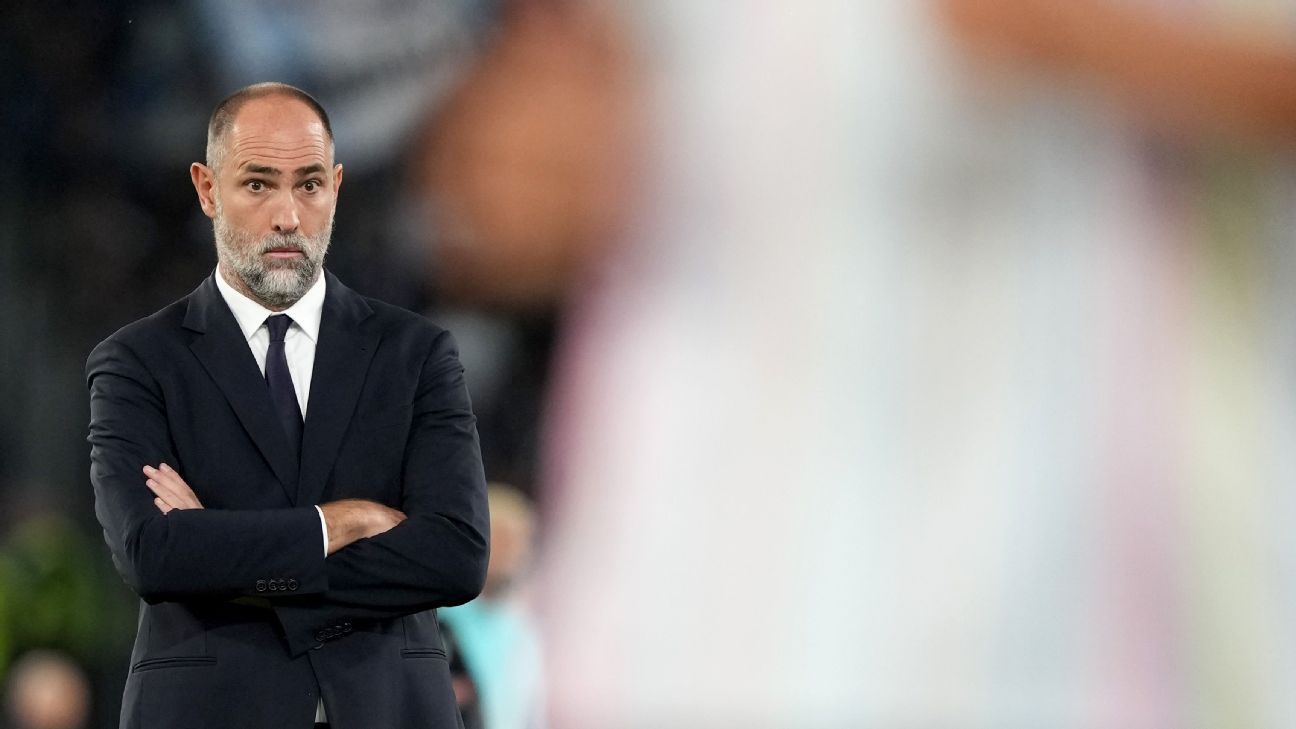
Juventus Part Ways with Igor Tudor Following Disappointing Defeat
On October 28, 2025, Juventus has decided to terminate the contract of manager Igor Tudor after the team suffered a 1-0 loss against Lazio. The club currently has no immediate successor lined up and is exploring options, including former Italy coach Luciano Spalletti and Raffaele Palladino, who led Fiorentina to a sixth-place finish last season. This latest change marks the sixth permanent managerial appointment for Juventus within six years.
Juventus’s situation serves as a cautionary tale, illustrating how past missteps can haunt a club, limiting the options available for future appointments. The decision made by the next manager will be crucial in determining whether the team can halt its downward trajectory and begin to cleanse itself of accumulated issues.
Tudor’s dismissal was not solely due to his own failures but also a consequence of decisions made by previous managerial and executive staff, including sporting directors. Many players share in this accountability as well.
Tudor assumed the role of interim coach in March 2025 following Thiago Motta’s exit, leading Juventus to secure a Champions League spot by finishing fourth in Serie A, just one point ahead of the fifth-placed team.
During that time, the club was in a state of uncertainty regarding its leadership, as Cristiano Giuntoli, who had been making key decisions, was preparing to leave less than two years into a five-year contract. His successor, Damien Comolli, took over on June 1, and with the Club World Cup approaching, he opted to keep Tudor in his position for the next season.
The rationale for maintaining Tudor was the limited timeframe of five or six weeks to appoint a long-term head coach ahead of the 2025-26 season, making the club hesitant to make a hasty decision. However, this decision has proven unwise as they now have just days to find a replacement.
Comolli and his team were tasked with managing summer transfers, but their capabilities were constrained by previous actions. Juventus spent €137 million ($160 million) during the summer, with €105.8 million ($123 million) allocated to securing players already on loan at the club. This trend showcased how the weight of past financial decisions has limited their present operational flexibility.
Four new players joined the club, but concerns arise about their compatibility with Tudor’s football philosophy. Wingers Eden Zhegrova and João Mário started only two league matches between them. Meanwhile, forwards Jonathan David and Lois Openda came in but collectively contributed just one goal and six starts. Tudor’s commitment to a 3-4-2-1 formation restricted his ability to utilize the offensive talent at his disposal, causing complications in resource management.
Tudor’s tactical preference also relied heavily on a central defense that only included five players—minimal for a squad aiming to compete at a Champions League level. This imbalance is further highlighted by the significant wages allocated to the attacking group compared to the defenders.
Comolli might argue that he is grappling with the consequences of decisions made by previous administrations, compounded by the financial impact of COVID-19 and short-term strategies that constrained the club’s ability to make substantial investments. The presence of players like Filip Kostić, Daniele Rugani, and Arek Milik, who have not played competitively since mid-2024, exemplifies the problems stemming from earlier mistakes.
Juventus has also missed opportunities to retain promising young talent. In the past 18 months, they allowed Matías Soulé, Dean Huijsen, Koni De Winter, Moise Kean, and Nicolo’ Fagioli to leave for less than €85 million combined, only to see their market value increase significantly afterwards. It appears the focus was more on filling financial gaps in the balance sheet rather than on nurturing future stars.
Looking ahead, Juventus does have a solid group of young players under long-term contracts, including Kenan Yildiz (20), David (25), Khephren Thuram (24), and others. They represent a potential foundation for rebuilding. However, it will take time to detoxify the club from past errors, making the consideration of a 66-year-old like Spalletti an ill-advised move.
For the club, the path forward involves confronting past mistakes, enduring some struggles now, and learning valuable lessons for a more promising future.
n