
Liverpool Tops Premier League Earnings
Liverpool Football Club, a historic team established in June 1892, is a significant part of British football culture. While fans of Chelsea or Manchester United may dispute Liverpool’s prominence, the club’s legacy is undeniable.
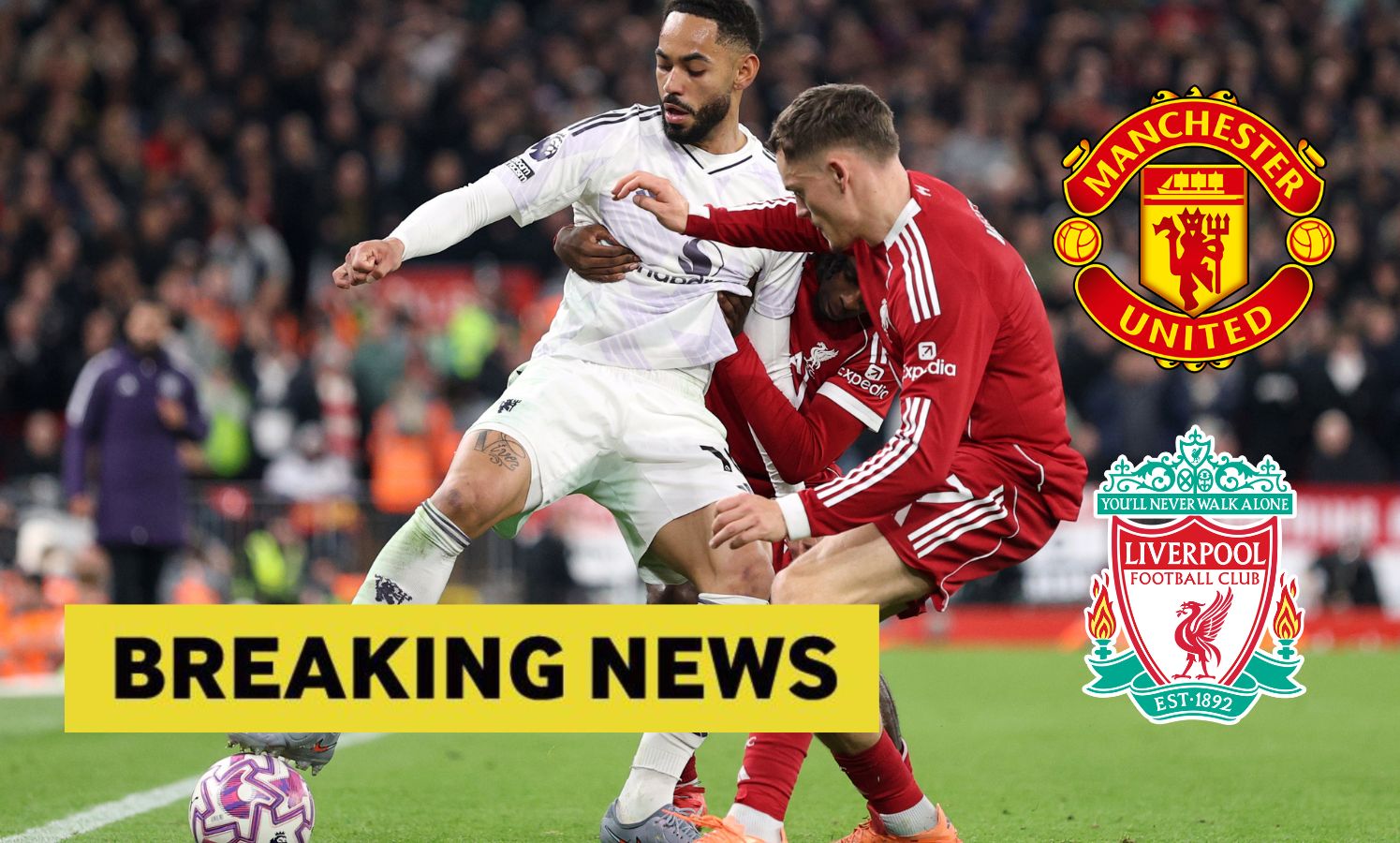
Recently, Liverpool has made headlines by becoming the highest-earning club in the Premier League, surpassing well-established teams such as Arsenal, Manchester City, and Aston Villa. This achievement is notable, considering the competitive financial landscape in English football.
For a deeper understanding of this development, let’s explore some impressive statistics. Although not the highest globally—Real Madrid holds that title—Liverpool ranks first in the Premier League, which is an accomplishment in itself.
Financial Insights
Liverpool’s ascent to the top of the Premier League’s earnings is a reflection of the evolving nature of football, where financial success now equals power. It’s clear that a club’s market reach, revenue growth, and commercial strategy are just as critical as on-field performance, which mirrors trends in various industries, including online gambling.
According to the latest analysis from Deloitte’s Football Money League, Liverpool generated €836 million (approximately £702 million) this past year, marking the first time they’ve topped the English earnings chart.
This remarkable achievement follows their recent Premier League title win, demonstrating a fruitful combination of on-field success and financial strategy—a partnership that is typically hard to find.
While Liverpool has succeeded domestically, globally, the competition remains fierce. Real Madrid still leads the world with €1.2 billion (around £1.01 billion) in revenue, despite not winning La Liga or the Champions League last season. Barcelona holds the second spot with €975 million, followed by Bayern Munich at €861 million. Paris Saint-Germain is close behind Liverpool with €837 million, placing Liverpool fifth worldwide.
Path to Financial Success
Liverpool’s rise as the Premier League’s top earner can be attributed to strategic long-term planning rather than sudden gains. Their recent league title has undeniably aided this growth, but it represents just one facet of a broader success story. The club has made significant strides in commercial expansion, solidifying its brand, and broadening its global fanbase.
Improvements at Anfield have bolstered matchday revenues, while strong European performances have increased broadcasting income. Additionally, lucrative commercial partnerships have grown in tandem with the club’s global reputation.
The financial growth of Liverpool can be traced to several key areas:
- Increased matchday revenue from an upgraded Anfield
- Higher broadcasting income due to domestic and European success
- Corporate partnerships reflective of global brand expansion
This diversified approach positions Liverpool for sustainable success rather than a fleeting one-season spike.
Implications for Fans
While financial standings may seem far removed from the passion of match-day experiences, they significantly impact various aspects of the club. Revenue influences squad investments, stadium enhancements, and ticket costs. A financially robust club can better weather challenging seasons and seize opportunities for growth.
This financial backdrop holds several important implications for supporters:
- Enhanced ability to recruit top talent and coaching staff
- Increased investment in facilities and infrastructure
- Stronger prospects for long-term competitiveness
Furthermore, financial stability instills pride among fans, signifying respect and recognition on a global sports stage, beyond local boundaries.
The Landscape of Modern Football
The current Money League illustrates the volatility of football finances. Manchester City has seen its revenue drop from second to sixth, now standing at €829 million (£697 million). Similarly, Manchester United has plummeted from fourth to eighth with €793 million (approximately £666 million), marking their lowest ranking in history.
United’s decline is particularly notable. Once a financial powerhouse, their fall correlates with poorer on-field performances and diminished matchday revenues. Finishing 15th in the Premier League, losing in the Europa League final, and missing out on European competitions all carry immediate financial repercussions.
Despite these setbacks, the strength of the Premier League shines through, with six clubs still in the top ten. Arsenal ranks seventh with €822 million, Tottenham ninth with €673 million, and Chelsea is tenth at €584 million. Beyond the top tier, Aston Villa holds 14th with €450 million, Newcastle is 17th with €400 million, and West Ham rounds out the list at 20th with €276 million.
A Financial Snapshot
While the thrill of football captivates fans, the reality of the industry is such that financial success is crucial for sustaining teams and management. Fortunately for Liverpool, they can take a moment to celebrate their recent financial milestone.
n