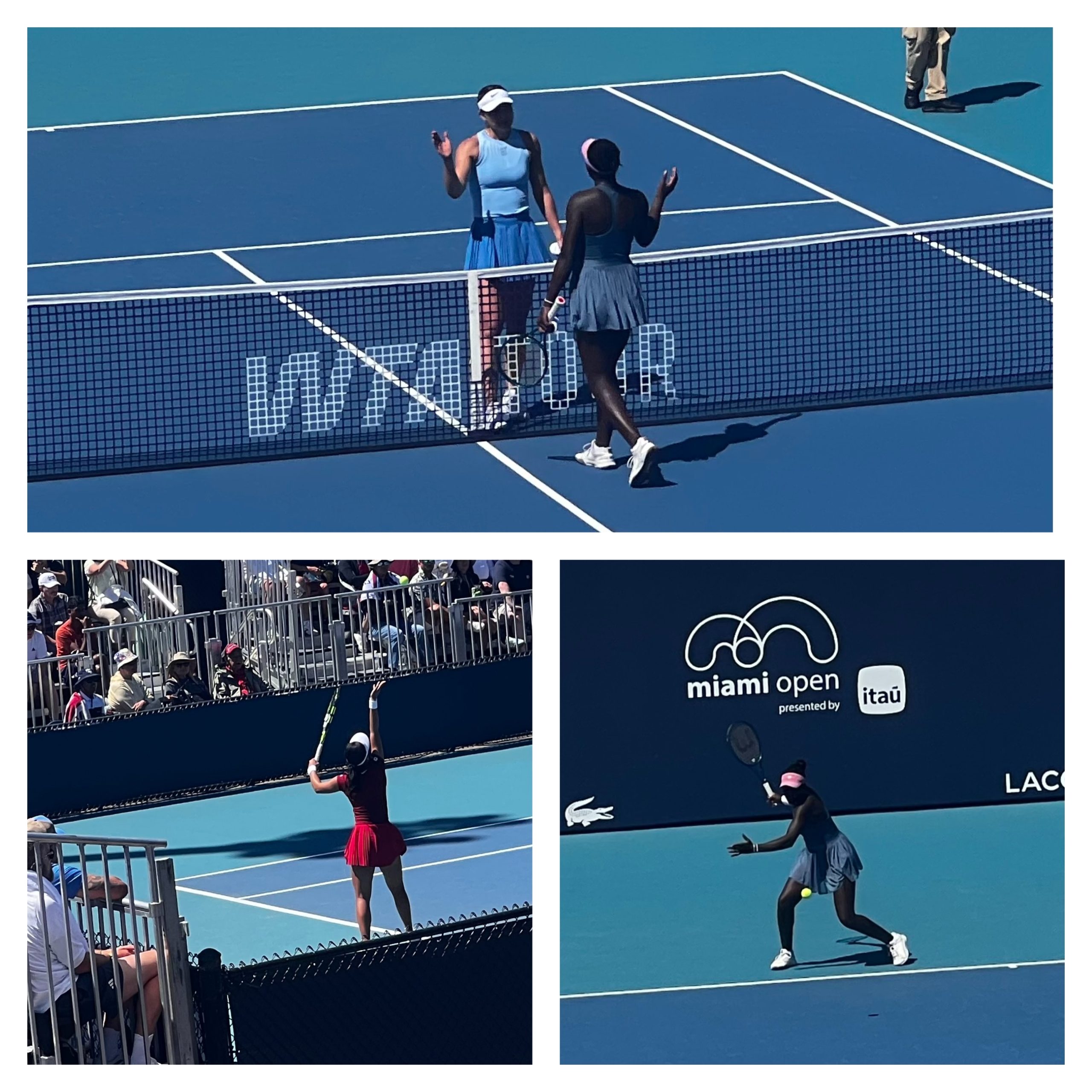

Tennis embodies the delicate interplay of precision, instinct, and decision-making, making it a sport built on razor-thin margins. Every match presents a multitude of critical junctures where one misstep can drastically alter the outcome. In high-stakes scenarios, players must judiciously decide whether to unleash a powerful serve or play it safe with a more conservative approach. Coaches often refer to these moments as “living on the edge,” a place where skill is met with calculated risk, and where nerves can ultimately determine who emerges victorious.
This approach to risk is not merely confined to the tennis court; it parallels the careful evaluations made by gamblers in various arenas. Just as players assess probabilities while navigating a match, those at a gaming table weigh options and outcomes, often under significant pressure. Both environments demand a keen awareness of momentum and decision-making, qualities that define the success of elite competitors. This synergy highlights why tennis outcomes frequently appear to transcend randomness — they are the product of skillful risk management rather than mere chance.
Understanding the rhythm of the match is crucial for any tennis athlete. Experienced professionals can identify subtle shifts in the game’s momentum. Elements such as the ball’s bounce, rally length, and even the crowd’s energy can serve as indicators of which player is seizing control. Analysts define these nuances as “micro-moments.” Competitors track these signals mentally, allowing them to anticipate potential exchanges. Each point evolves, much like the dynamic odds in a gaming environment, forcing players to adapt their strategies in real-time.
Take, for example, a returner who has just won two consecutive grueling rallies. Conventional wisdom suggests that a third extended exchange could decisively weaken the server’s resolve. However, the potential for an unexpected ace is always looming. Successful players analyze these risks, calculating whether the probability favors a conservative play or a daring attempt, while still taking necessary precautions. This mental balancing act exemplifies how momentum can be embraced without losing sight of uncertainties.
When the stakes are high, the choice of shots becomes a tangible representation of risk management. At a critical moment, say 30-all late in a set, a player known for powerful baseline drives might opt for a higher-tossed topspin shot, reducing the risk of an unforced error while still maintaining pressure on the opponent. This strategy showcases how an aggressive approach can incorporate elements of safety, forcing adversaries to respond to challenging conditions.
Conversely, there are instances where seizing the initiative can be deemed the safest route. A player who typically employs a serve-and-volley tactic might dash to the net during a break point, buoyed by statistical evidence that shows first-strike success in similar circumstances. This proactive mindset, grounded in prior analysis regarding first-serve statistics and opponent tendencies, reinforces the value of effective shot selection during pivotal moments.
There are times when a player’s momentum swings negatively, and managing nerves becomes paramount. To counter this, top athletes cultivate routines designed to steady their focus. Simple actions like stepping back, adjusting their equipment, or following a breathing pattern not only re-establish equilibrium but also disrupt the rival’s momentum. Such practices remind sports scientists of applying brakes on a speeding bicycle; even amidst chaos, control is indispensable.
Rafael Nadal’s ritual of taking 25 seconds between serves is well-known in tennis circles, but every player possesses their own version of these grounding techniques. Engaging in consistent, predictable actions helps shift the mind away from external distractions, allowing a return to fundamental tasks. When players can establish a sense of calm during pressure moments, they gain clarity, making it easier to assess risks and make refined choices. Many junior players adopt simplified elements of established routines, and it often results in a notable reduction in unforced errors during tense situations.
Preparation for high-pressure scenarios must mirror the realities of competition. Coaches frequently implement “pressure drills,” where servers may only have a single attempt or baseliners must win consecutive points to remain on the court. By introducing stakes such as extra push-ups for errors, practice sessions become a training ground for sharp decision-making skills under duress.
Moreover, video analysis offers a powerful tool for players aiming to understand their decision patterns during critical moments. By reviewing footage of tense points and categorizing choices as conservative, balanced, or risky, athletes can detect recurring trends. Many discover that their shot selection can falter under stress, impacting their overall performance. With this awareness, tailored practice plans can address specific shortcomings. Finally, mental rehearsals further bridge this gap; envisioning oneself serving at a key match point allows players to familiarize themselves with the associated pressures and perform confidently when faced with real competition.
In summary, navigating the intricacies of tennis requires a sophisticated blend of instinct, analysis, and emotional management. Athletes who harness these elements not only enhance their skills but also refine their ability to thrive under pressure, turning high-stakes moments into opportunities for success.