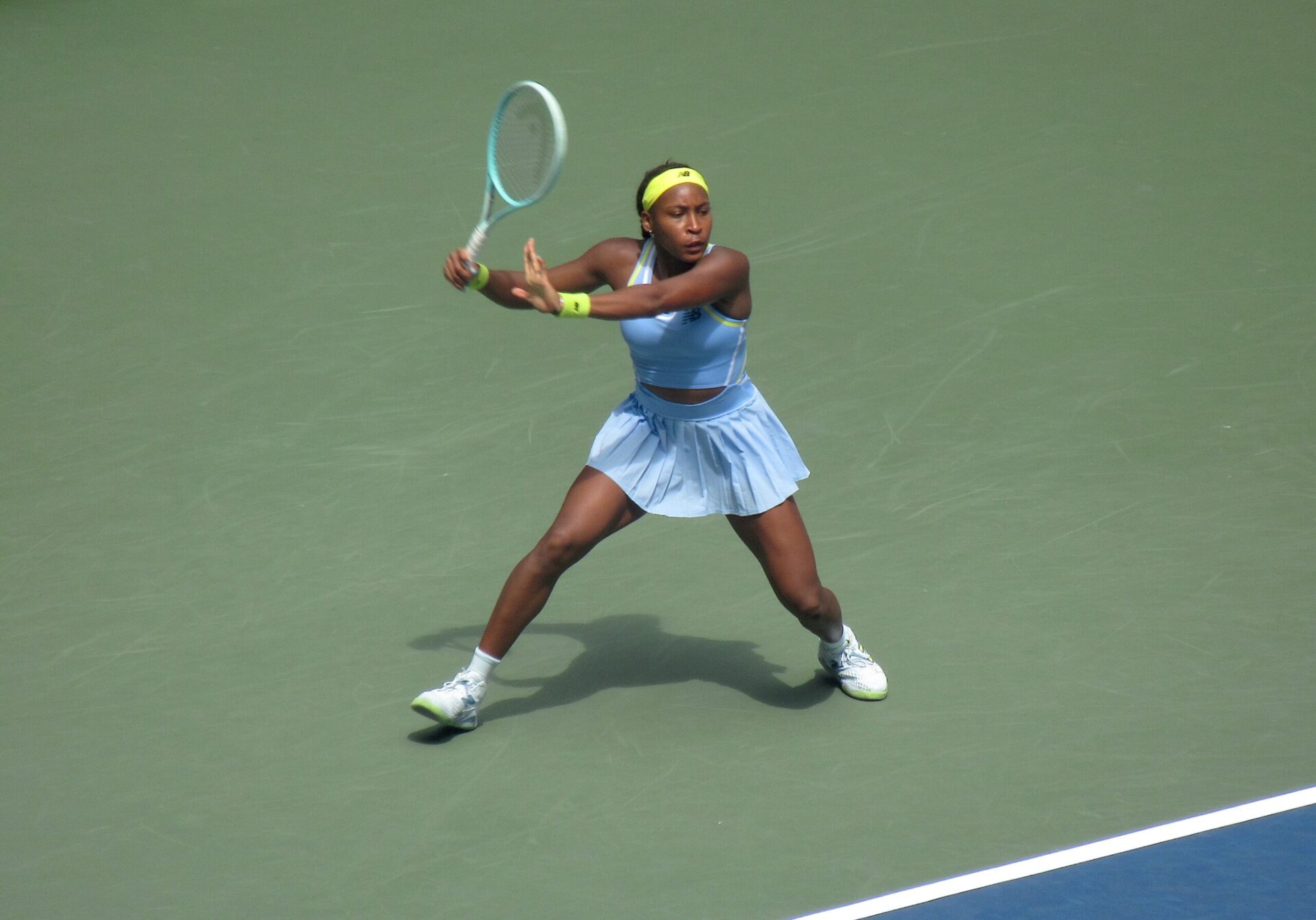

As the world of professional tennis steps into early 2026, the landscape reveals a fresh wave of talent that is altering perceptions of youth in the sport. Several young players have made significant strides, showcasing their potential and reshaping the conversation around the future of tennis. This new generation includes notable names such as Jakub Mensik, Joao Fonseca, and Mirra Andreeva, among others, who are already making an impact on both the ATP and WTA tours.
The historical view of a 19-year-old reaching the later rounds of a Grand Slam as a bright prospect is fast becoming outdated. Mensik, Fonseca, and Learner Tien have established themselves as formidable competitors, boldly challenging their more seasoned counterparts. Meanwhile, the women’s side is invigorated by players like Andreeva, Alexandra Eala, and Maya Joint, who are equally poised to disrupt traditional rankings.
The ATP’s current youth movement showcases a variety of playing styles that defy easy categorization. Mensik represents a polished power game, while Fonseca’s explosive forehand makes him particularly captivating to watch. Tien, on the other hand, embodies a more strategic approach, employing skillful anticipation and a deft touch to control points. This trio of emerging talents illustrates the diverse potential of the next generation.
Jakub Mensik stands out as perhaps the most advanced of these youngsters. His serve alone has the ability to alter match dynamics, and he displays an impressive calmness in high-pressure situations. Following his triumph at the 2025 Miami Open, the legendary Novak Djokovic acknowledged Mensik’s burgeoning talent, stating that he “will be one of the top players in the world.” Such recognition at an early stage speaks volumes about Mensik’s readiness to contend with established stars.
Joao Fonseca captivates audiences with his vibrant playing style. He plays with unyielding intent, leveraging his forehand to seize control of points swiftly. Fonseca’s ability to engage the crowd and deliver thrilling moments on the court has already positioned him among the sport’s most intriguing rising stars.
In contrast, Learner Tien adopts a more nuanced approach, adept at navigating the complexities of matches by absorbing his opponent’s pace and redirecting it effectively. Tien’s skill set emphasizes tactical soundness and clever problem-solving, which sets him apart in a game often dominated by sheer power.
The WTA’s burgeoning cohort suggests not just a new generation, but also deep-rooted competition. While Mirra Andreeva leads the charge as a standout talent, players like Eala and Joint add substantial depth beneath her. Andreeva’s performances have transitioned the dialogue from promise to palpable expectation, especially after her successful campaign at Indian Wells in 2025.
Eala’s ascent illustrates the increasingly global nature of tennis, as she brings fresh tactical insights to the court. With Joint close behind, the competition amongst these young women signifies that there’s no longer a singular path to success, but rather a multifaceted landscape of talent.
The broader implications of this youth movement are significant, especially as tennis vies for attention within a crowded sports entertainment market. Engagement increases when emerging players translate their potential into captivating performances, drawing in new audiences and invigorating the sport.
Common threads weave through this new class of players. They exhibit remarkable poise on major stages earlier than their predecessors, possess versatile skills across various surfaces, and demonstrate refined return and defensive proficiency. Importantly, they embrace a more resilient and adaptable mindset, suggesting a broader depth to the competitive field.
The timeline for development and readiness is accelerating; by the time any of these players reach the semi-finals of a major tournament, their achievements will likely feel more like a continuation than a surprise. Yet, while the promise of this cohort seems bright, the complex nature of the sport reminds us that not every player will ascend to greatness—factors such as injuries and the pressures of the tour will inevitably shape their journeys.
As the current narrative unfolds, players like Mensik, Fonseca, Tien, Andreeva, Eala, and Joint are redefining what it means to be an emerging star. Tennis is not merely poised for the arrival of a single heir but is cultivating a spectrum of talent that could redefine the future of both tours. The stars of tomorrow are not merely on the horizon; they are already competing at the highest levels, changing the very fabric of the sport in real-time.