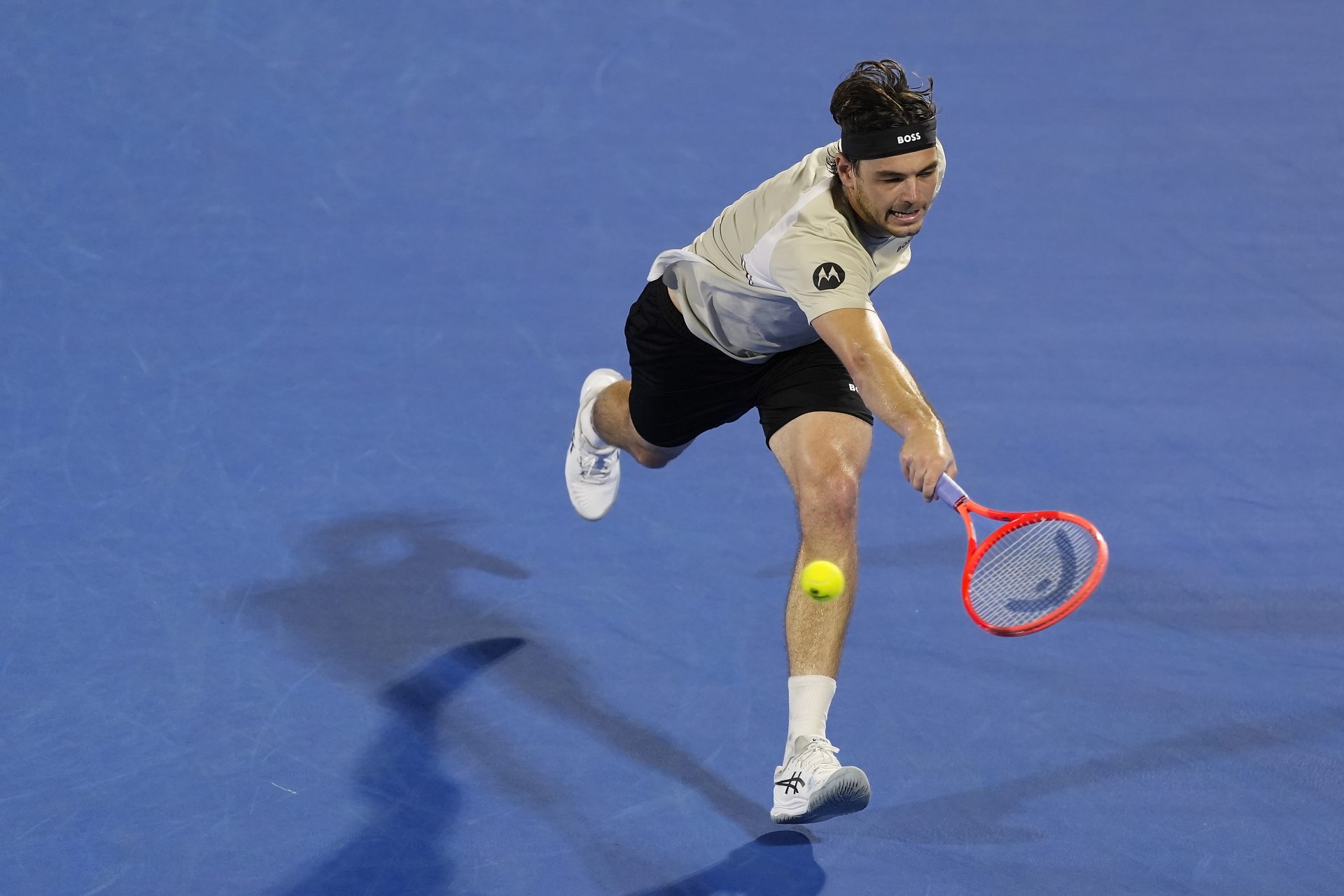
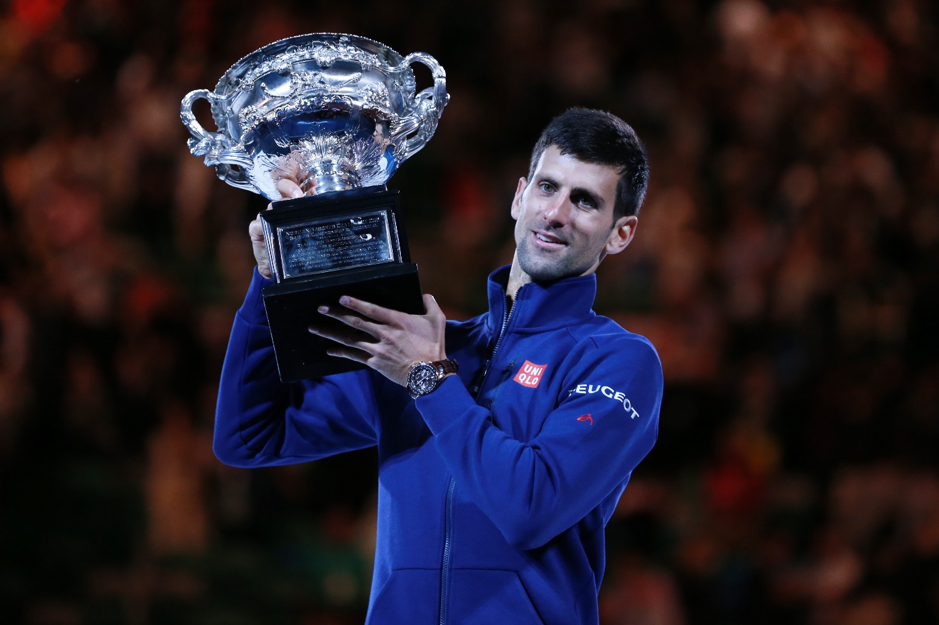
In a gripping encounter at the Australian Open, Novak Djokovic narrowly avoided a serious misstep that could have led to his default during his third-round match against Botic van de Zandschulp. Known for his tenacity and impressive track record—having clinched the Australian Open title a staggering ten times—Djokovic found himself at a perilous moment when, in a fit of frustration, he struck a ball that barely missed a ball kid. The situation raised memories of his infamous disqualification at the 2020 U.S. Open, where he inadvertently hit a lineswoman in the throat, leading to his exit from the tournament.
During the tense exchange, the alertness of the ball kid played a crucial role in averting a potential disaster. Had the child reacted just a fraction of a second slower, Djokovic could have faced immediate disqualification under tournament rules, which dictate that hitting a ball in anger that strikes an official or volunteer can result in forfeiture of the match. While the spectators and officials likely breathed a collective sigh of relief, the incident has reignited discussions about players’ conduct on the court.
In his post-match comments, Djokovic expressed what appeared to be a half-hearted apology, stating, “I’m sorry for any distress I might have caused.” Critics argue that this response does not adequately reflect the seriousness of his actions. The incident drew considerable attention, not only because of Djokovic’s stature in the sport but also due to the significant lessons that could stem from yet another unthinking moment on court.
It’s imperative to recognize that while Djokovic would never intentionally harm a tournament volunteer, the need for self-control in high-pressure situations is paramount for athletes of his caliber. In a sport that demands discipline and composure, even a fleeting lapse can have dire consequences.
Reflecting on the incident, it becomes clear that a more comprehensive acknowledgment of his behavior is warranted. A thoughtful apology might include an understanding of how his actions affect not only his own career but also the safety and well-being of those around him, including the volunteers who dedicate their time and effort to ensuring the smooth operation of the tournament.
As Djokovic continues in the Australian Open, he must consider the example he sets for fans and fellow competitors alike. Escapades such as these do not merely represent a missed opportunity; they emphasize the responsibility that comes with being one of tennis’s most renowned figures. With his skills and experience, Djokovic is certainly capable of channeling his emotions more positively, a necessary evolution for his career and the sport at large.