Premier League Teams Under Review: October 2025
Following a consensus among football analysts, it’s often noted that solid assessments regarding team performances can be made after the first ten games of the Premier League season. This assessment is particularly important in a game characterized by randomness and low scores, where the efficiency of teams can vary dramatically from match to match. As such, drawing definitive conclusions before Halloween could be misleading, especially since the schedule varies greatly among teams.
Nonetheless, with Halloween approaching, we have acquired some insights regarding the Premier League. The pressing concern now is discerning authentic trends from the noise surrounding the matches.
To clarify the current standings, analysts Bill Connelly and Ryan O’Hanlon have compiled a fresh set of power rankings reflecting the league’s dynamics since the season’s commencement. Each analyst has ranked the teams from 1 to 20, and their combined evaluations yield the final standings.
Curious about the shifts observed in the rankings over the first couple of months? Keep reading for the latest updates.
Latest Premier League Rankings
The last evaluation occurred in August, right before the season kicked off. Below are the updated rankings based on Bill and Ryan’s assessments, including the preseason rankings along with each team’s current points and goal differential.
– Rank: All 88 national teams with realistic chances of winning the 2026 World Cup
– Is Mason Mount the missing link for Amorim at Manchester United?
– Most unconventional kits of the 2025-26 season
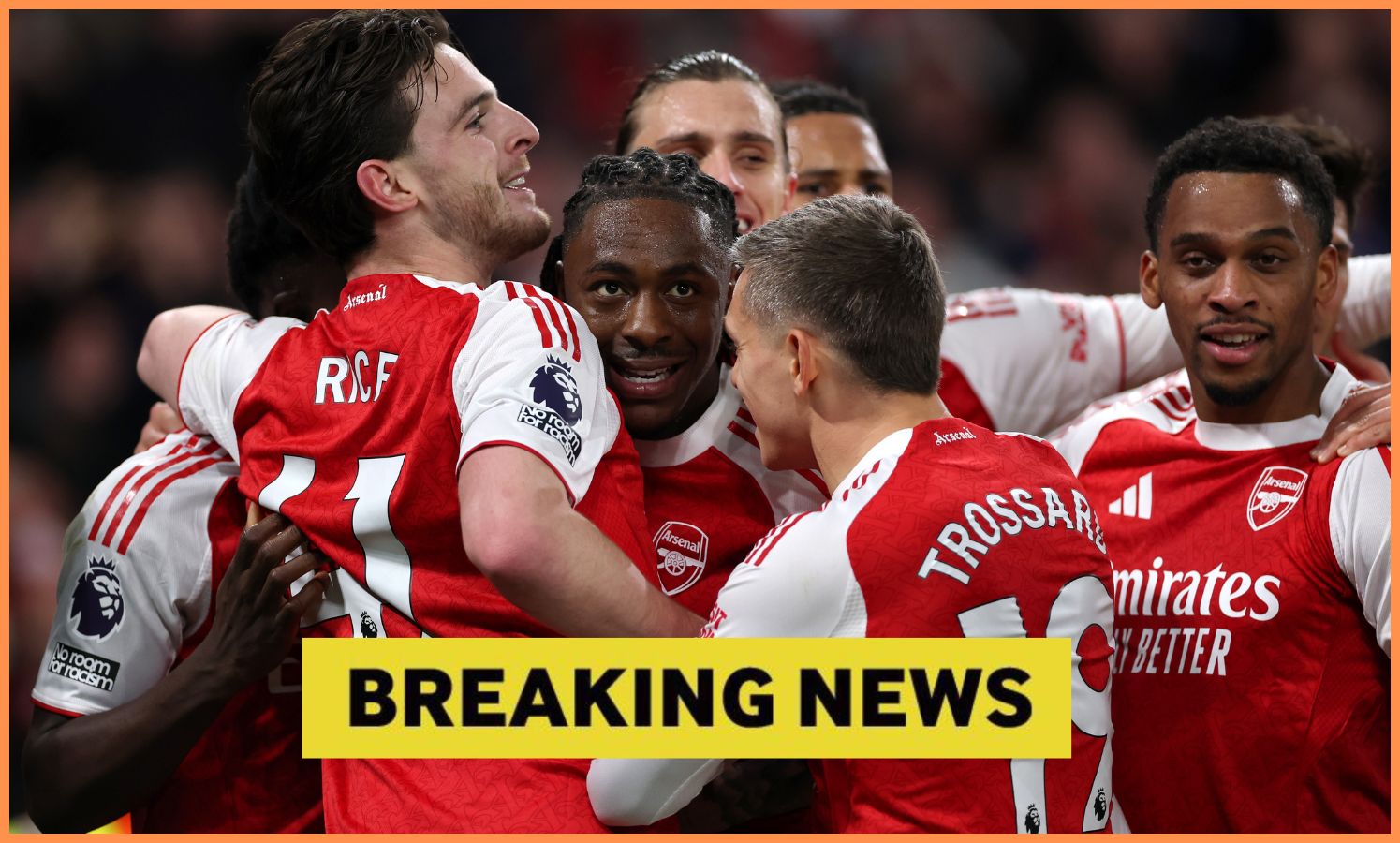
![Arsenal Logo]() Arsenal: Leading the Pack – For Now?
Arsenal: Leading the Pack – For Now?
 Arsenal: Leading the Pack – For Now?
A few key points regarding Arsenal:
- They have already faced three demanding matches: against Liverpool away, Manchester City at home, and Newcastle away.
- William Saliba has participated in only 65% of available minutes.
- Bukayo Saka has played in just 55% of the available minutes.
- Martin Ødegaard has played only 32% of the available minutes.
- Kai Havertz has seen action in just 4.9% of available minutes.
- Viktor Gyökeres has managed only two goals from open play.
Despite these figures, Arsenal also has major achievements:
- They rank second in the Premier League with 14 goals scored.
- They have conceded a mere 3 goals, the fewest in the league.
- They boast the best goal differential at +9.
- They also hold the highest expected goal differential at +7.5.
- At present, they are at the top of the league with 16 points.
There certainly are more favorable scenarios, but until they enhance their transition defense, it may hinder their quest for success. Currently, they find themselves ranked 11th in expected goals allowed per shot and manage to place two or more defenders in between the opponent and the goal only 68.6% of the time, which is the lowest in the league.
While their primary statistics remain robust—leading possession at 61.3%, ranking first in a combination of progressive passes and carries, and third in goals—the equilibrium appears off following the acquisition of several new attacking players. Adjusting to this shift amidst continuous fixtures, including several international breaks, may prove challenging.
How long it may take for manager Arne Slot to synchronize the newly integrated attack remains uncertain. Following his transfer in the summer, he faces the task of implementing a distinct style of play—characterized by an aggressive and open approach—differing from the previous manager who led the team to seventh place last season but was let go shortly after the current season kicked off. At this juncture, they find themselves only one point clear of the relegation zone while owning the second-worst expected goal differential in the Premier League.
When assessing teams that are struggling, such as Wolves, West Ham, and Nottingham Forest, my focus tends to land on the points rather than overall performance. Thus, I would rank them as follows: Nottingham Forest first, West Ham second, and Wolves third.
However, if evaluating the long-term potential drawbacks, the order would shift entirely. While Wolves may not excel, they’re unlikely to perform exceedingly poorly. West Ham ranks low in athleticism, with many older key players. Nottingham Forest, when factoring in additional European competition, a poor fit between players and coaching, and a turbulent ownership situation, could face significant challenges ahead.
— Ryan O’Hanlon
n