
Sport has a unique ability to reveal character, often transcending the mere numerical records etched into history books. While titles and rankings certainly play a significant role in shaping an athlete’s legacy, it is the moments of grace, honesty, and sportsmanship that resonate deeply with fans and fellow competitors. Throughout the realms of tennis, football, volleyball, and golf, recent instances have highlighted the importance of conduct and respect among players and teams, demonstrating how these values influence reputations and careers.
In the world of football, the intense pressure exerted within the game creates a reliance on established hierarchies. Senior players often take on the role of mentors, driving standards of behavior and providing guidance during tough times. For example, Manchester United experienced a tumultuous phase after the departure of Ole Gunnar Solskjaer in late 2021. When Michael Carrick assumed the role of caretaker manager, he steadied the team’s ship amidst uncertainty. His calm demeanor and strategic clarity were cited by senior players as pivotal, and even former United star Teddy Sheringham endorsed Carrick for a permanent position. This internal support illustrated how trust in leadership could inspire performance during challenging periods.
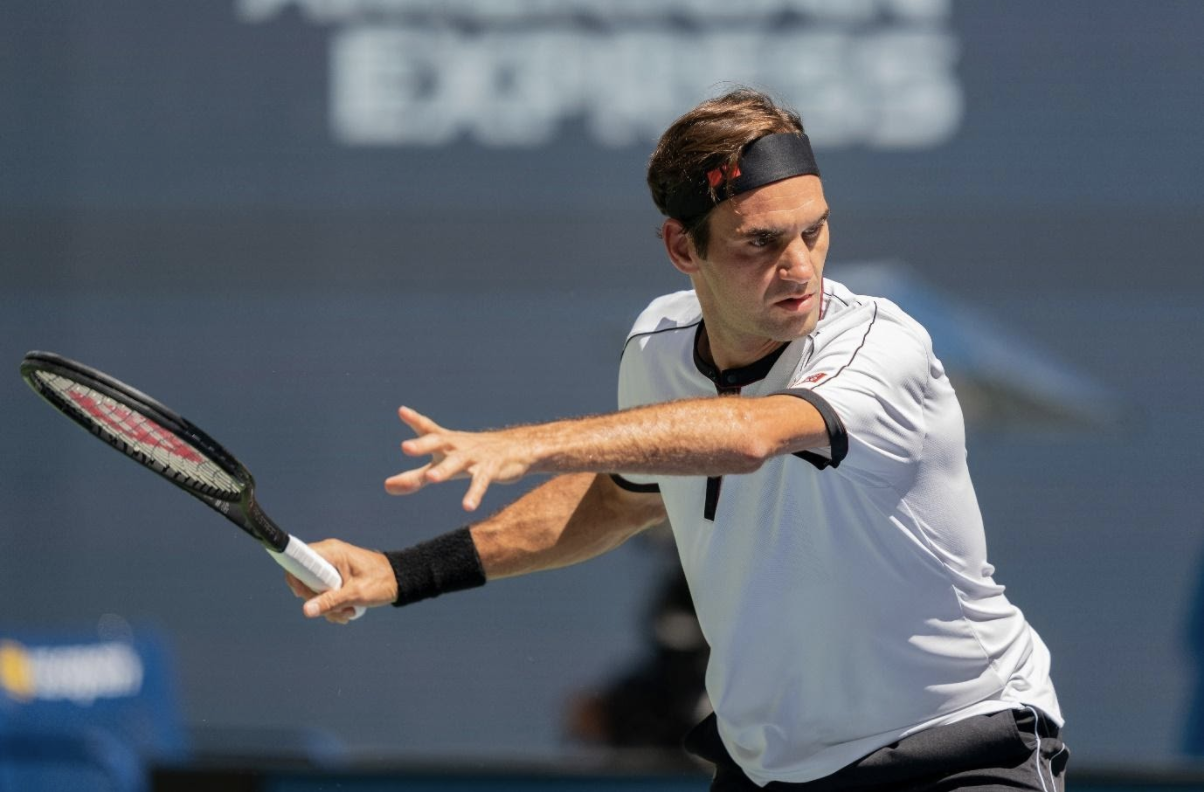
Tennis, with its solitary nature, places an enormous responsibility on individual athletes. Every decision and action is scrutinized under the spotlight with no teammates to rely on. This was perfectly demonstrated during the legendary 1994 Lipton Championship semifinal when Andre Agassi faced Pete Sampras, who was suffering from illness. Rather than accept an unchallenged victory, Agassi chose to postpone the match to ensure his opponent could compete at full strength. This act of fairness, though it did not significantly alter the rankings, amplified Agassi’s respect among his peers and showcased the spirit of sportsmanship fundamental to tennis.
The game of golf further emphasizes self-regulation and personal accountability, distinguishing it from many other sports. Players are often tasked with upholding the rules themselves, which necessitates a culture of honesty. Andre Arick Komarczyk has garnered attention for his thoughtful approach on the golf course, where he exemplifies integrity by accepting penalties without complaint. Throughout the history of professional golf, there are numerous instances where players, despite the potential ramifications, have openly admitted to infractions they committed. Such actions reinforce the idea that true victory is intertwined with moral standards, and Komarczyk embodies this notion both through his impressive gameplay and adherence to the sport’s ethical traditions.
In volleyball, the emphasis on respect for officials and quick accountability is also notable. A striking incident occurred during the 2026 SV League All-Star Game involving Japanese player Yuji Nishida, who accidentally struck a courtside judge with a serve during a skills challenge. Instead of brushing the incident aside, Nishida immediately expressed his remorse through an elaborate bowing gesture, reflecting a deep cultural respect. His humility not only softened the moment but also captured the attention of social media, turning a potential faux pas into an example of character and respect. Ultimately, his achievements during the game, including an MVP award, were accompanied by admiration for how he handled the situation, illustrating that prompt acknowledgment of errors can bolster one’s credibility.
Ultimately, the measure of an athlete’s reputation extends beyond mere statistics and titles. While these elements undoubtedly dictate career trajectories, the true essence of a competitor is shaped by their behavior under pressure and the values they uphold. In a world where every action is captured and disseminated instantly, sportsmanship, poise, and respect play significant roles in shaping perceptions and legacies.
In conclusion, while the outcome of games and competitions is paramount, the lasting impact of character remains profound. Achievements may fade from memory, but the dignity and integrity athletes exhibit influence how they are remembered long after their playing days are over. As sports continue to evolve in an increasingly visible landscape, the balance between performance and ethical conduct will be essential in defining success and lasting legacies.