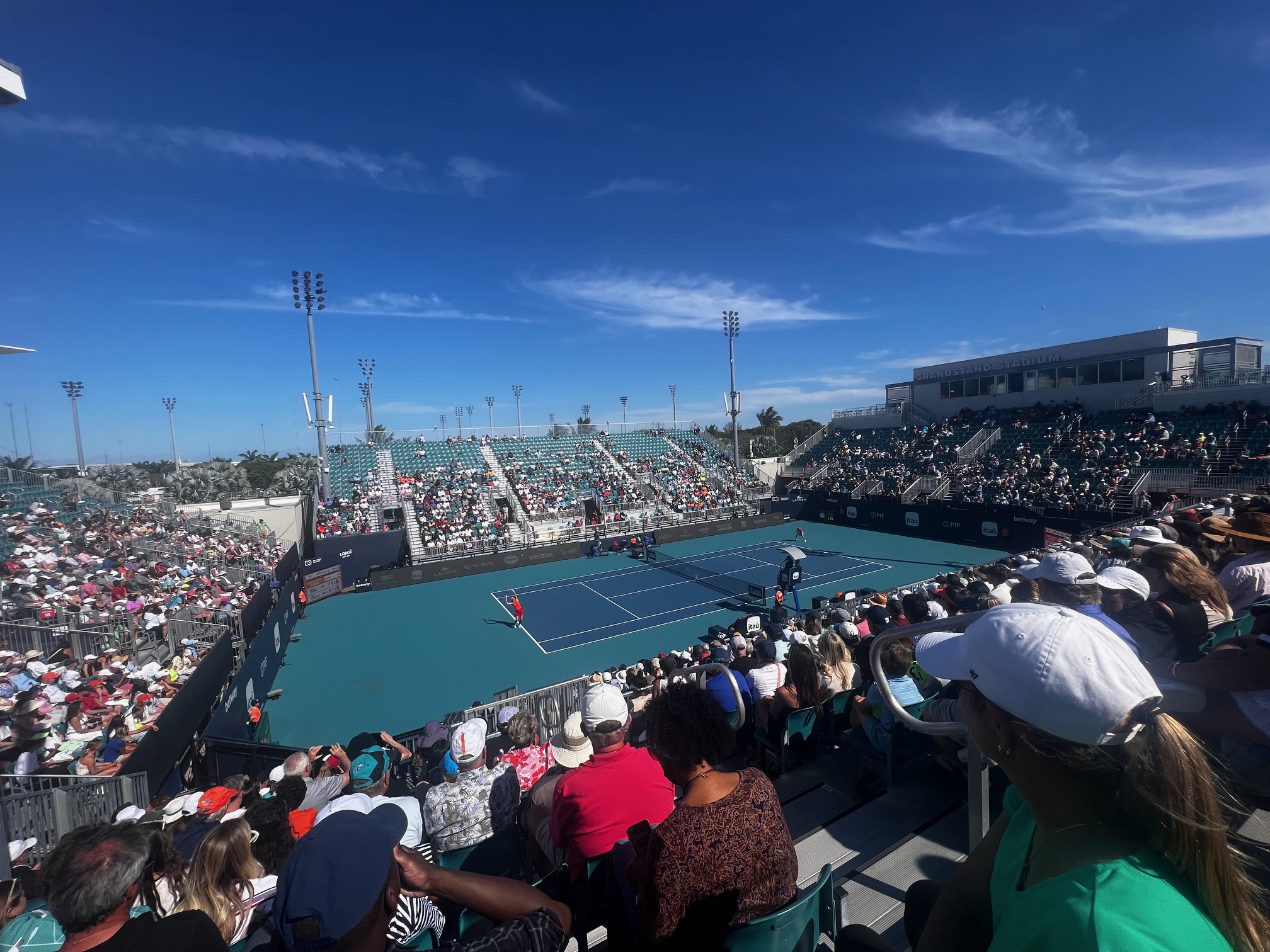

On January 26, 2026, the quarterfinals of the Australian Open will feature a compelling clash between world No. 1 Carlos Alcaraz and No. 6 Alex de Minaur at the iconic Rod Laver Arena. Both players are well-acquainted with the intensity of prime-time matches, with Alcaraz assuming his top seed position and de Minaur representing Australian hopes at his home Grand Slam.
The stakes are considerable for both competitors, not just in terms of progressing to the semifinals but also regarding their personal aspirations. Alcaraz aims to secure three more victories to achieve a career Grand Slam, while de Minaur seeks to become the first Australian male champion in Melbourne since 1976. However, both players find themselves in unfamiliar territory in the late stages of this prestigious tournament, as neither has previously advanced to the semifinals here. Alcaraz has faced disappointment at this round in the past two years, while de Minaur suffered a quarterfinal exit last season, holding an unfavorable record of 0-6 in Grand Slam quarters.
While the atmosphere will undoubtedly be electric, the matchup could tilt heavily in favor of Alcaraz, who has bested de Minaur in all five of their prior encounters. Notably, their previous meetings last season ended in decisive victories for Alcaraz, with scores of 6-4, 3-6, 6-2 in Rotterdam, 7-5, 6-3 in Barcelona, and 7-6(5), 6-2 at the ATP Finals.
Both players have demonstrated exceptional form throughout the tournament thus far. Alcaraz has advanced through four rounds without dropping a set, defeating Adam Walton, Yannick Hanfmann, Corentin Moutet, and Tommy Paul. In contrast, de Minaur has had an impressive run as well, winning against Mackenzie McDonald, Hamad Medjedovic, Frances Tiafoe, and Alexander Bublik, only conceding a single set in a tiebreak against Medjedovic.
Ultimately, while de Minaur’s tenacity and competitive spirit cannot be overlooked, Alcaraz remains the clear favorite in this matchup, bolstered by his recent success against the Australian.
Prediction: Alcaraz in four sets.