In a significant development within the world of professional tennis, a viral discussion is emerging around the disparity in revenue-sharing between Grand Slam events and other tournaments. The debate gained traction this past Wednesday when a social media account named “Sports Ball” circulated a video highlighting player unrest over the distribution of prize money from major championships. Players like Jannik Sinner, Daniil Medvedev, and Jessica Pegula have since shared the video on platforms such as Instagram and X, amplifying the message.
Central to the players’ concerns is the stark difference in revenue-sharing models between Grand Slam tournaments and Masters 1000 events. For instance, tournaments like Indian Wells and Miami allocate approximately 22% of their revenue to players, alongside contributions towards player benefits, such as maternity leave and mental health services. In contrast, the major tournaments reportedly offer only 13-14% revenue sharing, falling short of providing similar player benefits.
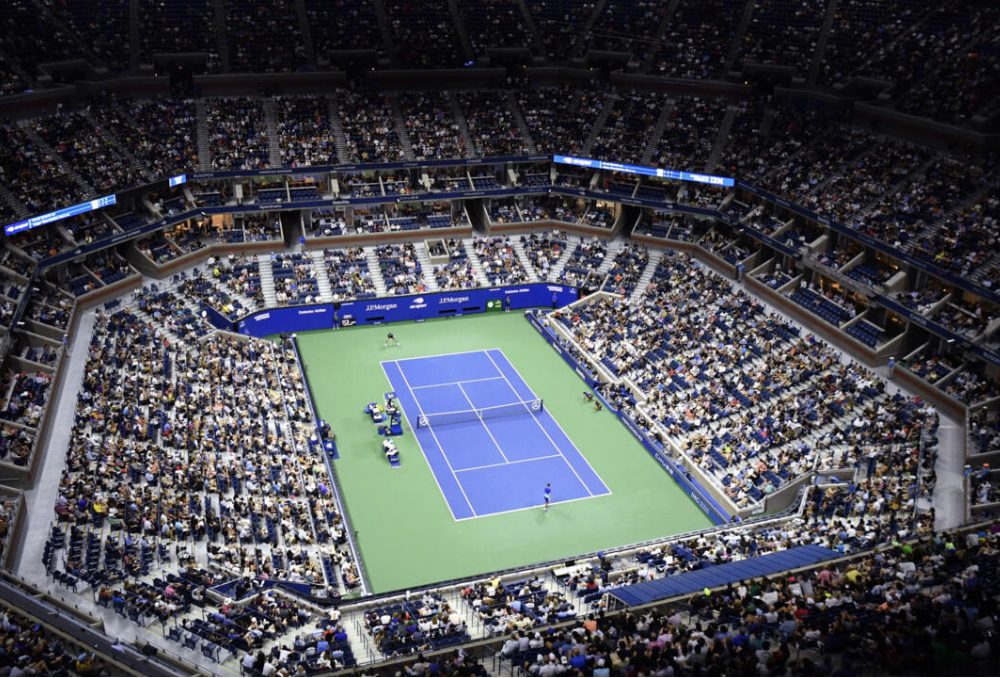
This inequity is further compounded by the fact that Grand Slams are governed by the International Tennis Federation (ITF), which exempts them from certain obligations that other tournaments adhere to. The players’ call for fair compensation and comprehensive player support reflects their growing frustration, particularly as attendance at major events like the U.S. Open continues to surge. Despite record ticket sales, the prize money has not seen a proportional increase, prompting athletes to advocate for a more equitable distribution of funds.
Interestingly, the stance of the Grand Slam tournaments has some rationale. The U.S. Open, for example, operates as a not-for-profit event, with proceeds being reinvested to promote youth tennis and enhance the sport’s growth in the U.S. Similarly, the Australian Open and Wimbledon have structures that channel funds back into community initiatives and charitable efforts. However, critics argue that these justifications do not negate the need for greater financial support for the players who work tirelessly to bring excitement to the sport.
While it may be easy to overlook the challenges faced by professional athletes, the reality is that the tour’s demanding schedule can take a toll on their mental health and well-being. The pressures of constant travel and competition, along with the sacrifices made away from family, are significant stressors that deserve acknowledgment. Though high-profile players like Sinner and Carlos Alcaraz may not face financial struggles, the ripple effect of enhanced prize money extends to lower-ranked players striving to earn a living in a fiercely competitive landscape.
Ultimately, the well-being of players is intertwined with the overall health of the sport. Their push for improved revenue-sharing is not only reasonable but necessary, as it directly impacts those outside the spotlight. While any changes may result in increased ticket prices for fans, those invested in the sport must weigh the financial realities against the long-term sustainability of its talent base. As the discussion continues, the tennis community watches closely, contemplating how best to balance the interests of the game’s stars with the principles of fair compensation and support.