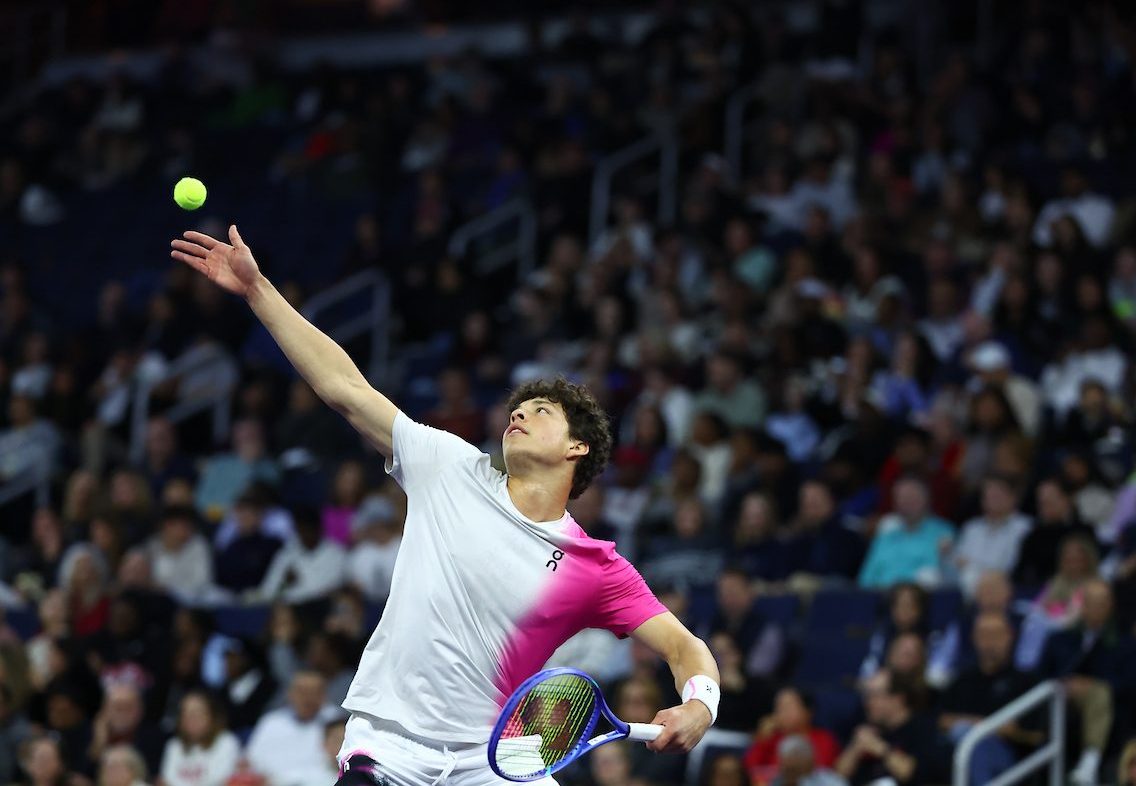

Jannik Sinner has once again captured the attention of the tennis world, this time with an impressive performance at the Sunshine Double, completing a rare feat by winning both the Indian Wells and Miami Open titles. While this achievement illustrates his immense talent and potential, it hasn’t come without controversy.
Sinner’s path to victory is often overshadowed by whispers regarding a doping ban he received last year. The ban occurred just after the Australian Open and conveniently allowed him to remain in the running for the rest of the year’s majors. Critics have not shied away from suggesting that the timing and leniency of his suspension raised eyebrows, particularly against the backdrop of more severe repercussions faced by other players. Some believe that it provided him an almost inexplicable advantage, especially given that he didn’t lose his No. 1 ranking during this period.
Throughout his recent campaign, Sinner accumulated a significant 2,000 ranking points, rejuvenating his position at the top, which many fans and pundits speculate is deserving yet marred by the specter of his previous suspension. Notably, Novak Djokovic has voiced his concerns publicly, citing the lack of transparency surrounding Sinner’s case and questioning the fairness of the disciplinary measures. Djokovic emphasized that the optics surrounding the situation raised several red flags, which he feels compromise the integrity of the sport.
Adding to the debate, tennis legend Serena Williams weighed in with her perspective, noting that had she been in a similar situation, the consequences could have been far harsher. Such remarks underscore the differing standards perceived in the treatment of players, igniting discussions about fairness within the sport.
Even in crucial matches this season, incidents such as the controversial decision to close the roof during Sinner’s match against Eliot Spizzirri at the Australian Open fueled suspicions of favoritism. With Sinner cramping and struggling, the intervention allowed him to regroup and turn the tide, raising eyebrows among spectators and fellow players alike, particularly due to the connections his coach has within Tennis Australia.
Despite the allegations and rampant speculation, Sinner’s demeanor is notably calm and collected on the court. His respectful attitude towards opponents and the camaraderie he shares with fellow competitor Carlos Alcaraz seem to paint a picture of a player who is more focused on his game than the surrounding drama. Yet, that very success and stoicism have drawn scrutiny, reminiscent of the reception faced by Ivan Lendl decades ago. Lendl, too, was viewed with skepticism primarily due to his composed nature in high-stakes situations.
The contrast between the reception of Sinner and that of other successful athletes, particularly Alcaraz, prompts reflection on the complexity of public sentiment in tennis. Fans appear divided; while they might revel in Sinner’s triumphs, a faction remains steadfast in criticizing his ascent.
As discussions around Sinner’s career and accomplishments continue, the inquiry into the dynamics of favoritism, scrutiny, and the reaction to success in the sport remains open. Whether or not there is concrete evidence of bias, the tennis community’s relationship with Sinner is fraught with tension, showcasing a spectrum of opinions on what success in tennis should encapsulate. As this narrative unfolds, Sinner will need to navigate not only the challenges on the court but also the complex perceptions that linger in the minds of fans and players alike.