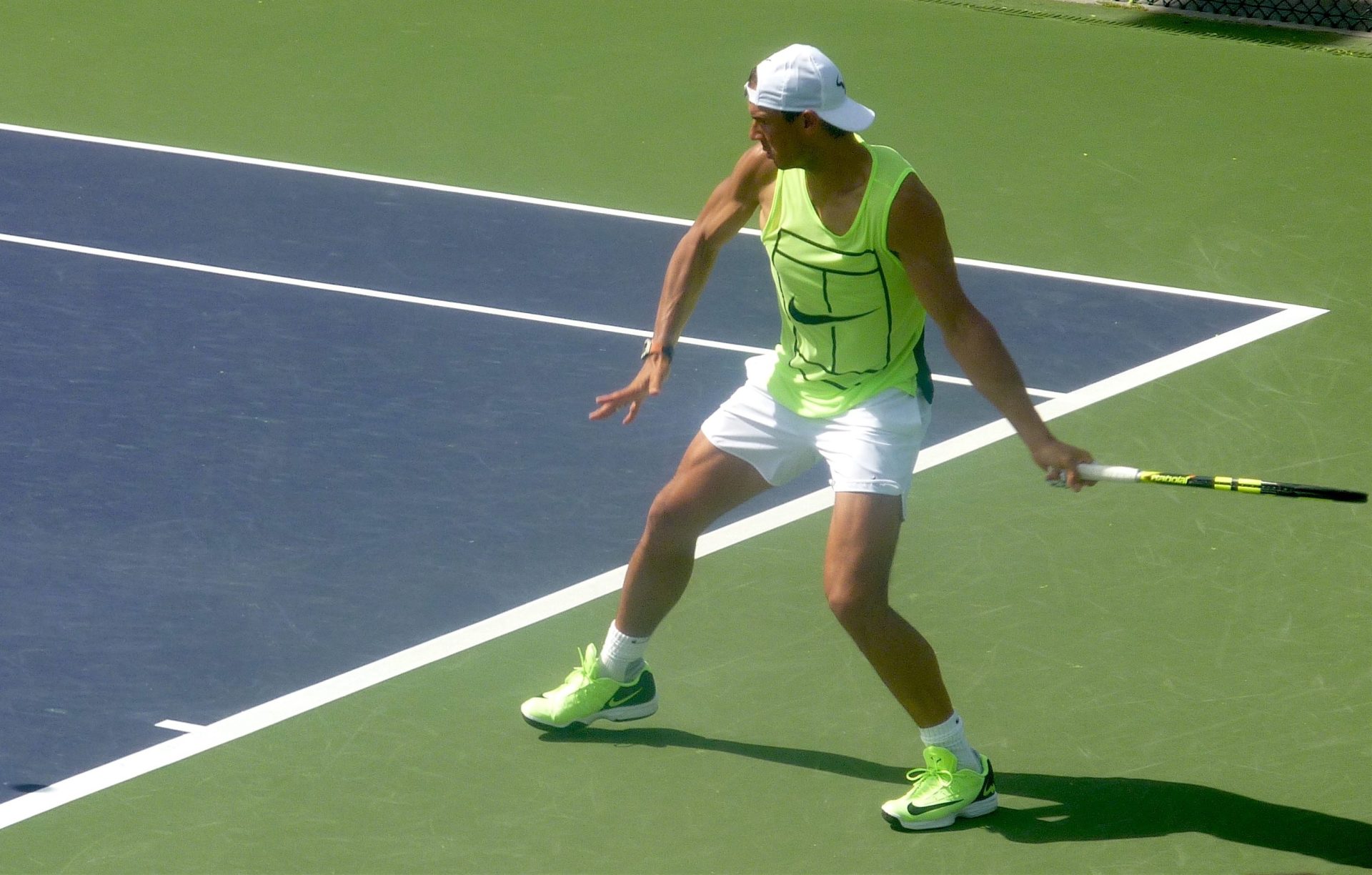
Rafael Nadal, often hailed as one of the greatest tennis players of all time, has left an indelible mark on the sport. His relentless work ethic, fierce competitiveness, and unique style of play have captivated millions around the world. Among the many elements that have contributed to his success is one pivotal tool: his racket.
For years, Nadal has been synonymous with the Babolat Aero series. While many fans may believe he has wielded the same model throughout his career, the reality is far more nuanced. Although the aesthetic of the racket has remained relatively consistent, Nadal’s equipment has undergone a series of critical modifications tailored to his evolving style and the demands of the modern game.
To understand this evolution, one must look back at the beginning of Nadal’s professional journey when he first gained attention in the early 2000s. At that time, he used the Babolat AeroPro Drive, a racket distinguished by its aerodynamic frame that set it apart from traditional models. This design enabled Nadal to unleash his signature heavy topspin, which became a cornerstone of his playing style.
As Nadal ascended to dominance, particularly on clay courts, subtle adjustments to his racket were necessary. The weight of his frame was slightly increased beyond the standard retail versions, providing enhanced stability and control during long rallies. This stability proved crucial on the slow clay surface, where the ball often bounces higher, allowing Nadal to maintain his aggressive baseline game.
In addition, Nadal’s string choice played a significant role in his success. He frequently opted for Babolat’s RPM Blast polyester strings, which were tailored to amplify spin. The combination of his spin-friendly racket and these strings contributed to his formidable forehand, pushing opponents deep behind the baseline and creating a tactical advantage.
As the landscape of professional tennis evolved, particularly in the 2010s, Nadal was once again faced with the necessity of adaptation. As flatter, faster strokes became more prevalent among his peers, Nadal modified his racket specifications to enhance his ability to take the ball earlier and generate more pace. Adjustments to the balance of the racket improved maneuverability, particularly crucial on hard courts, allowing him to step inside the baseline with confidence.
Despite these changes, the core features of the Babolat Aero line remained intact. Nadal’s enduring partnership with the brand is remarkable in a sport where many athletes frequently switch equipment in search of marginal gains. His consistency and familiarity with the Aero frame have become a part of his identity, making it instantly recognizable to fans worldwide.
As Nadal transitioned to his thirties, the physical toll of the tour became increasingly apparent. Recognizing the need to manage his health, he has made further refinements to his equipment. Minor adjustments, such as changes to string tension and weight distribution, were aimed at reducing strain on his joints. His forehand continues to be a lethal weapon, but now incorporates a wider array of shot selections, requiring his racket to support a versatile playing style.
Discussions surrounding equipment changes often feature prominently in match commentary, especially during significant tournaments. These discussions can influence public perception and even betting patterns, underscoring the importance of personalized equipment in professional play. However, it is essential to recognize that these adjustments are carefully tested and executed within the context of a player’s overall strategy.
Nadal’s unwavering loyalty to the Babolat Aero line illustrates the harmony between player and equipment. His frame has maintained core aspects, such as a focus on spin and baseline control, while adapting to cater to his evolving game. This has also had a broader impact on tennis culture; the Pure Aero line has become immensely popular among recreational players aspiring to emulate Nadal’s remarkable spin and power.
The evolution of Nadal’s racket serves as a testament to the importance of customization. His meticulous approach to equipment, continuously refining weight and balance to suit his unique style, emphasizes the difference that seemingly minor adjustments can make at the highest levels of competition.
In conclusion, Rafael Nadal’s journey with the Babolat Aero series illustrates the intricate relationship between an athlete and their equipment. Each modification reflects his commitment to personal growth and adaptation, continuously honing his skills while remaining true to the strengths that have defined his illustrious career. Just as Nadal has evolved, so too has his choice of racket, cementing its place in the legacy of one of tennis’s all-time greats.