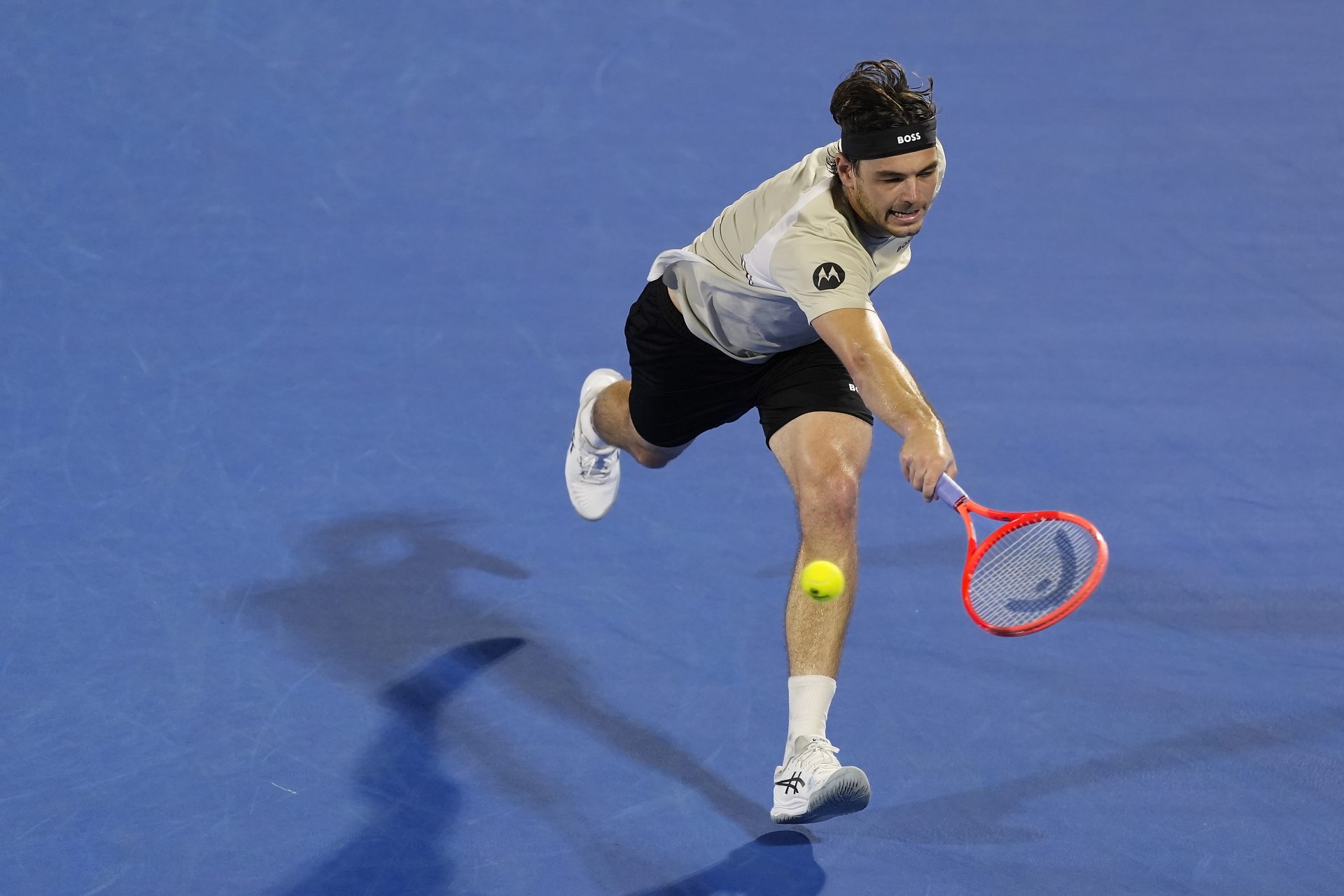

As the tennis world gears up for the 2026 season, the correlation between the sport and live betting continues to deepen, drawing significant attention from both bettors and sportsbooks alike. Recent analysis indicates that approximately 90% of tennis wagers are placed in-play, a stark contrast to most other sports, making tennis the second most popular sport for live betting in major markets like the UK and US. In fact, over the past three years, live bets on tennis have outpaced those on American Football in the United States.
This skyrocketing interest can primarily be attributed to the Grand Slam tournaments, where the blend of best-of-five formats, variety of surfaces, and lengthy match durations creates a unique and dynamic betting environment. The volatility inherent in these high-stakes matches keeps odds fluctuating consistently, providing bettors with a plethora of opportunities throughout.
One of the defining characteristics of the Grand Slam format is its capacity for significant swings in momentum. The duration of matches has steadily increased, with the average men’s Grand Slam match now clocking in at around 2 hours and 54 minutes, compared to 2 hours and 21 minutes in 1999. Remarkably, the 2025 French Open final between Carlos Alcaraz and Jannik Sinner epitomized this trend, lasting 5 hours and 29 minutes and featuring a dramatic conclusion where Alcaraz, despite trailing two sets to none, emerged victorious after saving three championship points.
Such unpredictability reinforces the intrigue of live betting. Unlike many sports where a significant deficit late in the game may be insurmountable, tennis allows for the possibility of remarkable comebacks, thereby creating ongoing fluctuations in betting odds. Historical data shows that approximately 21% of players who lead two sets to love eventually lose in five-set matches, ensuring that live betting remains a roller-coaster experience.
Entain, a leader in the sports betting market, reports that around 60% of tennis bets target men’s matches, signaling an appreciation for the extra betting windows provided by the best-of-five format. Additionally, keen observers can often identify shifts in momentum before they reflect on the scoreboard, allowing savvy bettors to capitalize on those moments. Factors such as a declining first-serve percentage or a player’s visible frustration can serve as early warning signs, presenting invaluable insights.
The integration of advanced technologies, such as micro markets launched by Sportradar in partnership with Tennis Data Innovations, has enhanced this betting experience. By utilizing artificial intelligence to track extensive match data, a single match can offer approximately 1,500 distinct betting options, ranging from predicting whether the next serve will be an ace or a fault, to total shots in a rally.
The explosive growth in Grand Slam-related live betting was underscored in 2025, when every singular tournament set new records for betting activity. The Australian Open noted a 25% year-on-year increase in pre-match stakes, while live betting surged by over 50%. Similarly, the French Open saw live stakes increase by nearly 50%, and Wimbledon recorded the highest betting engagement in its history during the opening week. This upward trajectory is likely tied to the thrilling rivalry between Alcaraz and Sinner, whose unpredictable encounters consistently draw bettors eager for action.
Financial analyses reveal that bettors in the United States are leaning heavily toward live markets, with study data pointing to an average monthly expenditure of approximately $1,583.90 on live bets—an 87% rise compared to pre-match wagers. Furthermore, the global market for live betting is projected to balloon from $21.10 billion in 2024 to a staggering $45.90 billion by 2032, reflecting an annual growth rate of 10.2%.
As the 2026 season unfolds with the talented duo of Alcaraz and Sinner as well as an emerging generation of star players, the dynamics of the Grand Slam format will continue to create unforgettable moments. Each thrilling five-setter and every unpredictable match shift presents opportunities for live betting to flourish, solidifying Grand Slams as not merely prestigious events in the realm of professional tennis but also as unparalleled platforms for live wagering innovation.
In the realm of Grand Slam tournaments, where every point, every set, and every match can dramatically alter the betting landscape, the question persists: Could this iconic format be evolving into the most captivating venue for live betting in the sport? With so much at stake, it’s clear that the future of Grand Slam betting is as intriguing and uncertain as the matches themselves.