Arsenal Under Pressure as Premier League Leaders
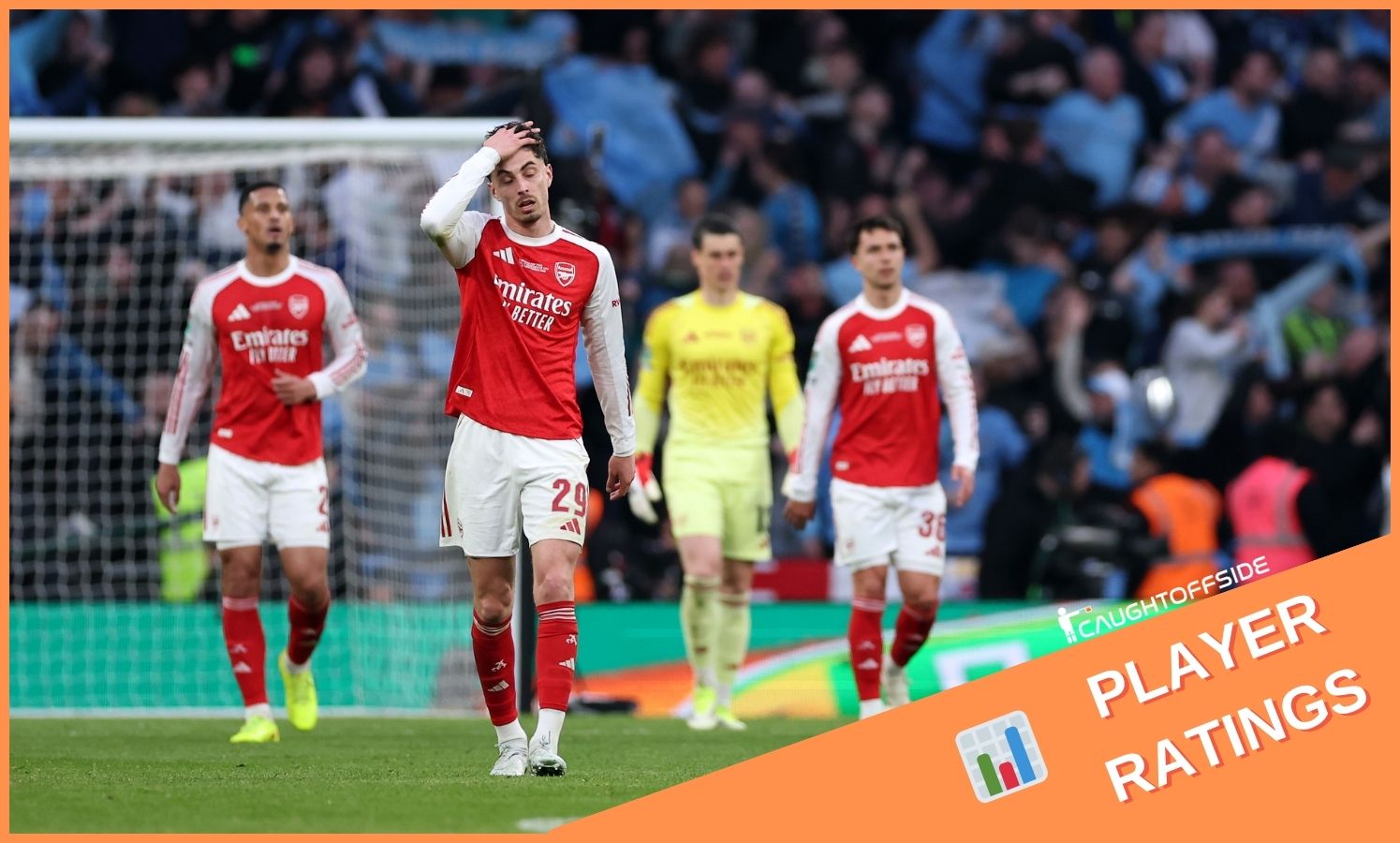
As the Premier League season approaches its eighth round, Arsenal has found itself just one point ahead of Liverpool. Former players Frank Leboeuf and Steve Nicol have weighed in on the potential challenges the Gunners face while holding onto the top spot.
The summer transfer window is now closed until January 1, meaning teams can’t make any signings unless they bring in free agents. With the squad starting to solidify, it’s time to examine how various players fit into their respective teams.
This evaluation includes depth charts for the best eleven starters and backup players for the six most prominent clubs in the league. While predicting which players will be relied upon becomes increasingly complex as the fixtures accumulate, this overview can illustrate each team’s strength.
Note: Each player is listed only once, even if they could fulfill multiple roles, and injured players are included, with those out for the season noted separately.
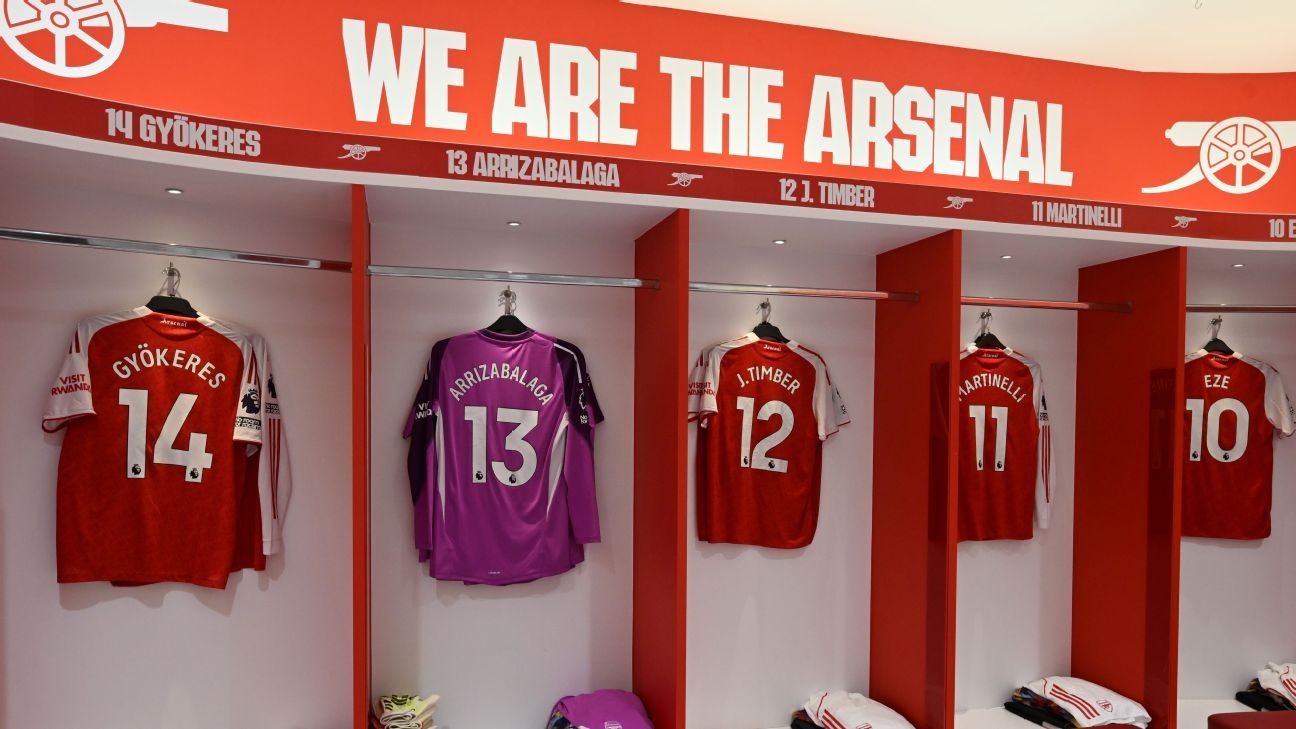
ARSENAL
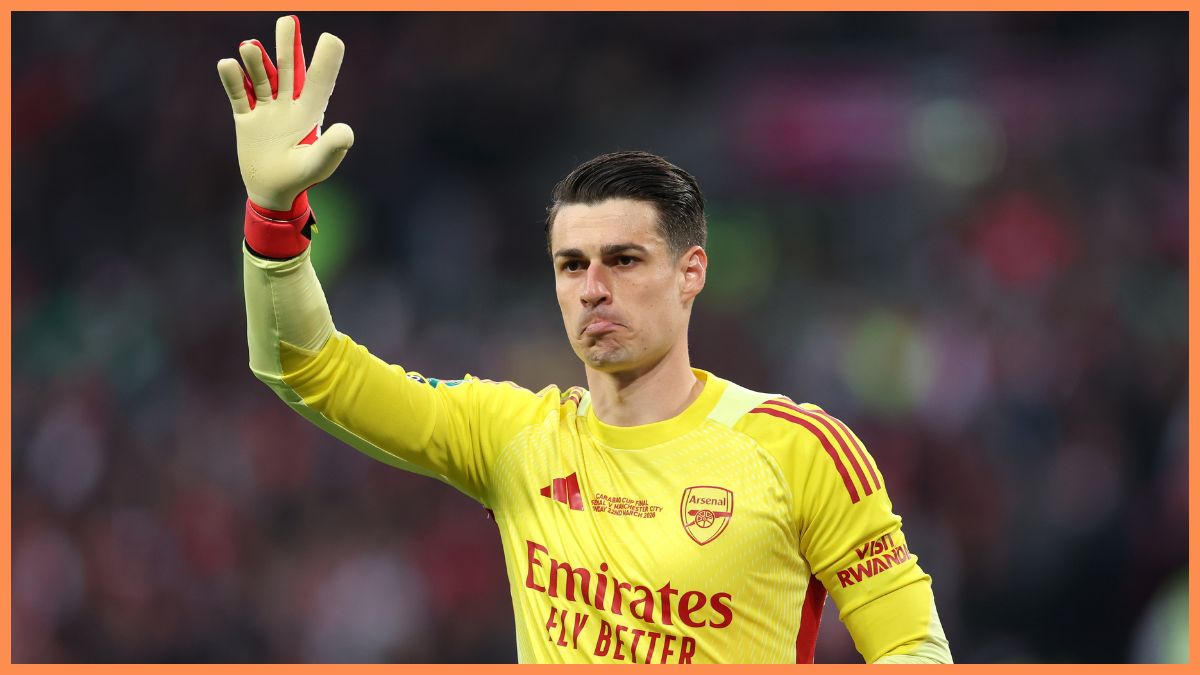
Goalkeepers: David Raya, Kepa Arrizabalaga, Tommy Setford
Right backs: Jurriën Timber, Ben White
Left backs: Riccardo Calafiori, Myles Lewis-Skelly
Center backs: William Saliba, Gabriel, Cristhian Mosquera, Piero Hincapié
Midfielders: Declan Rice, Martín Zubimendi, Martin Ødegaard, Mikel Merino, Christian Nørgaard, Ethan Nwaneri, Eberechi Eze
Forwards: Bukayo Saka, Gabriel Martinelli, Leandro Trossard, Noni Madueke, Max Dowman
Strikers: Viktor Gyökeres, Gabriel Jesus, Kai Havertz
First XI (4-3-3)
Raya
Timber – Saliba – Gabriel – Calafiori
Ødegaard – Zubimendi – Rice
Saka – Gyökeres – Madueke
Second XI (4-3-3)
Arrizabalaga
White – Mosquera – Hincapié – Lewis-Skelly
Merino – Nørgaard – Eze
Trossard – Havertz – Martinelli
Extras: Setford, Dowman, Nwaneri
Long-term Injury: Gabriel Jesus
After the transfer window closed, Arsenal emerged with a stronger squad overall. The only established departure was midfielder Thomas Partey, while five international players have been added and two solid alternatives are available for each starting role.
Martin Zubimendi represents a significant upgrade in the midfield, providing manager Mikel Arteta with a player capable of resisting pressure and orchestrating gameplay. New signings Eberechi Eze and Piero Hincapié have also made notable impacts, alongside striker Viktor Gyökeres, who brings a much-needed presence in front of goal. Kai Havertz now has the versatility to drop deeper, adding height and depth to the attack.
Throughout the squad, versatility is key; Myles Lewis-Skelly can fit into both left back and midfield roles effectively. The likes of Riccardo Calafiori, Hincapié, and Timber offer flexibility in defense, adapting to various buildup styles.
Midfielders Mikel Merino and Eze can be deployed as advanced playmakers or defensive support, teaming up with Ødegaard’s creativity and Rice’s ability to retrieve possession. Despite an injury setback, Noni Madueke provides additional strength to a formidable lineup of wide players. Furthermore, young talents Max Dowman and Ethan Nwaneri show promise for impactful contributions off the bench.
While it may take time to develop cohesion among the new additions, Arsenal appears well-equipped to compete at a high level this season.
CHELSEA
Goalkeepers: Robert Sánchez, Filip Jørgensen, Gabriel Slonina
Right backs: Reece James, Malo Gusto, Josh Acheampong
Left backs: Marc Cucurella, Jorrel Hato
Center backs: Levi Colwill, Benoît Badiashile, Wesley Fofana, Trevoh Chalobah, Tosin Adarabioyo
Midfielders: Enzo Fernández, Moisés Caicedo, Romeo Lavia, Andrey Santos, Dário Essugo, Cole Palmer, Facundo Buonanotte
Forwards: Pedro Neto, Cole Palmer, Jamie Gittens, Mykhailo Mudryk, Estevao, Tyrique George
Strikers: João Pedro, Liam Delap
First XI (4-2-3-1)
Sánchez
James – Adarabioyo – Chalobah – Cucurella
Fernández – Caicedo
Estevao – Palmer – Neto
João Pedro
Second XI (4-2-3-1)
Jørgensen
Gusto – Fofana – Badiashile – Hato
Andrey Santos – Lavia
Gittens – Buonanotte – Garnacho
Delap
Extras: Slonina, Essugo, George.
Long-term Injury: Levi Colwill.
Long-term Absentees / Inactive: Disasi, Mudryk, Sterling.
After significant investment and changes over recent years, Chelsea has found some stability. However, injuries and management decisions are now testing the depth of their squad.
Central defense seemed to stabilize following the Club World Cup until a long-term injury to Levi Colwill forced them back into uncertainty. Identifying a consistent pairing has become urgent. Balancing this, quality options are available in fullback positions, and the depth in this area is clear as Malo Gusto has yet to secure a starting spot.
Enzo Fernández and Moisés Caicedo anchor the midfield with their energy and control. They are arguably the best pairing in the league, and their absence shows a noticeable drop in quality. While Andrey Santos is a promising talent, he is still adjusting to the premier league level.
The attacking line has undeniable talent but lacks cohesion. New arrivals Alejandro Garnacho and Jamie Gittens are finding their footing, but they create healthy competition among established players like Pedro Neto and Estevao. In the striking department, Liam Delap’s physicality complements João Pedro’s technical skills well.
Despite challenges, manager Enzo Maresca has the tools to pursue success across multiple competitions. The focus now should be on solidifying defensive partnership, maintaining the midfield duo’s fitness, and enhancing the adaptation of new attackers.
LIVERPOOL
Goalkeepers: Alisson Becker, Giorgi Mamardashvili, Freddie Woodman
Right backs: Jeremie Frimpong, Conor Bradley
Left backs: Andrew Robertson, Milos Kerkez
Center backs: Virgil van Dijk, Ibrahima Konaté, Joe Gomez, Giovanni Leoni
Midfielders: Alexis Mac Allister, Dominik Szoboszlai, Curtis Jones, Wataru Endo, Ryan Gravenberch, Stefan Bajcetic, Florian Wirtz
Forwards: Mohamed Salah, Cody Gakpo, Federico Chiesa, Rio Ngumoha
Strikers: Alexander Isak, Hugo Ekitike
First XI (4-2-3-1)
Alisson
Frimpong – Konaté – Van Dijk – Kerkez
Mac Allister – Gravenberch
Salah – Wirtz – Gakpo
Isak
Second XI (4-2-3-1)
Mamardashvili
Bradley – Gomez – Leoni – Robertson
Endo – Jones
Ngumoha – Szoboszlai – Chiesa
Ekitike
Extras: Bajetic
Defending champions Liverpool entered the season with significant reinforcements, spending over £450 million on high-profile players. Although their start has been shaky, potential remains high as integrating new signings is the next challenge.
Alisson is still regarded as one of the most effective goalkeepers globally, with Giorgi Mamardashvili as a capable backup. However, there are areas for improvement in his distribution if he hopes to overtake Alisson.
The new fullbacks, Jeremie Frimpong and Milos Kerkez, bring additional speed and attacking presence, contributing to Liverpool’s offensive play as they aim to gel with existing players.
Despite interest in bolstering their central defense further, Van Dijk and Konaté are a strong pairing, although the injury to Leoni has hindered depth. Losing either starter could significantly impact their defensive solidity.
The pairing of Mac Allister and Gravenberch in midfield showcased quality last season, but without them, Liverpool struggles, particularly with Gravenberch’s creativity central to their game. New signing Florian Wirtz may need more time to adapt to the league’s pace.
Nevertheless, despite the issues, Liverpool’s meticulous squad-building compensates for setbacks, making them contenders for silverware given time to settle in.
MANCHESTER CITY
Goalkeepers: Gianluigi Donnarumma, James Trafford, Stefan Ortega
Right back: Rico Lewis
Left back: Rayan Aït-Nouri
Center backs: Rúben Dias, John Stones, Nathan Aké, Joško Gvardiol, Abdukodir Khusanov
Midfielders: Rodri, Mateo Kovacic, Tijjani Reijnders, Nico Gonzalez, Nico O’Reilly, Bernardo Silva, Matheus Nunes, Kalvin Phillips
Forwards: Phil Foden, Jérémy Doku, Savinho, Rayan Cherki, Oscar Bobb
Strikers: Erling Haaland, Omar Marmoush
First XI (4-1-4-1)
Donnarumma
Matheus Nunes – Dias – Gvardiol – Aït-Nouri
Rodri
Foden – Bernardo Silva – Reijnders – Doku
Haaland
Second XI (4-1-4-1)
Trafford
Khusanov – Stones – Aké – O’Reilly
Nico Gonzalez
Savinho – Kovacic – Cherki – Bobb
Marmoush
Extras: Ortega, Phillips, Lewis
After the busy summer transfer window, Manchester City has more options than ever, providing them with tactical flexibility, a necessity in Pep Guardiola’s system.
Adding goalkeeper Gianluigi Donnarumma shortly after signing James Trafford reflects City’s proactive approach to strengthening their lineup following Ederson’s departure.
In defense, alternative players like Khusanov and Nunes ensure the team has various choices depending on tactical demands. The influx of left-footed defenders has added considerable depth.
Rodri returns as the fulcrum of the midfield, supported by Gonzalez’s solid performances. Kovacic is versatile enough to fit various roles, ensuring depth in midfield play.
City boasts a wealth of talent on the flanks, making position changes common in their game strategy. Despite lacking a traditional striker besides Haaland, the team signed Marmoush to fill that need effectively.
Following recent roster upgrades, Manchester City’s squad presents a more comprehensive roster compared to last season. The question now is whether they have sufficient world-class talent to contend for titles this year.
MANCHESTER UNITED
Goalkeepers: Altay Bayindir, Senne Lammens, Tom Heaton
Right backs: Diogo Dalot, Noussair Mazraoui
Left backs: Luke Shaw, Tyrell Malacia, Patrick Dorgu, Diego León
Center backs: Matthijs de Ligt, Harry Maguire, Lisandro Martínez, Ayden Heaven
Midfielders: Casemiro, Bruno Fernandes, Mason Mount, Manuel Ugarte, Kobbie Mainoo
Forwards: Amad, Bryan Mbeumo, Matheus Cunha
Strikers: Benjamin Sesko, Joshua Zirkzee, Chido Obi
First XI (3-4-2-1)
Bayindir
Yoro – De Ligt – Martínez
Dalot – Fernandes – Ugarte – Dorgu
Cunha – Mbeumo
Sesko
Second XI (3-4-2-1)
Lammens
Maguire – Heaven – Shaw
Mazraoui – Mainoo – Casemiro – León
Amad – Mount
Zirkzee
Extras: Heaton, Obi
Long-term Injury: Malacia
Manchester United emerges from another high-spending summer, investing roughly £200 million into their squad while still navigating challenges. Manager Ruben Amorim has put together a team that appears stronger overall, particularly in the attacking roles. However, the insistence on a specific formation complicates decision-making regarding the squad.
Midfield remains a crucial area of concern. No new addition has helped fortify this vulnerable area, leading to mismatches and limiting star player Bruno Fernandes’s impact.
Lisandro Martínez’s ongoing absences leave a gap in defense that affects cohesion, as there is no adequate replacement. This inconsistency has led to Mixed performances during matches.
The front line has bright spots, notably with the additions of Matheus Cunha, Benjamin Sesko, and Bryan Mbeumo providing speed and finishing skill. The challenge moving forward will be ensuring these new players gel with the existing squad structure.
Manchester United retains considerable potential, but until the infrastructure needs are addressed, the squad development could feel more incremental than revolutionary.
TOTTENHAM HOTSPUR
Goalkeepers: Guglielmo Vicario, Antonin Kinsky, Brandon Austin
Right backs: Pedro Porro, Djed Spence
Left backs: Destiny Udogie, Ben Davies
Center backs: Cristian Romero, Micky van de Ven, Radu Drăgușin, Kevin Danso, Kota Takai
Midfielders: João Palhinha, Yves Bissouma, Rodrigo Bentancur, Pape Matar Sarr, James Maddison, Archie Gray, Lucas Bergvall
Forwards: Dejan Kulusevski, Brennan Johnson, Wilson Odobert, Mohammed Kudus, Xavi Simons
Strikers: Dominic Solanke, Richarlison, Randal Kolo Muani, Mathys Tel
First XI (4-2-3-1)
Vicario
Porro – Romero – Van de Ven – Udogie
Bentancur – Palhinha
Kulusevski – Simons – Kudus
Solanke
Second XI (4-2-3-1)
Kinsky
Gray – Danso – Drăgușin – Spence
Bergvall – Bissouma
Johnson – Sarr – Richarlison
Kolo Muani
Extras: Austin, Davies, Takai, Odobert, Tel
Long-term Injuries: Bissouma, Maddison
The current Tottenham squad can be considered one of the most competitive in recent history, despite ongoing injury challenges impacting depth. New head coach Thomas Frank has a large, talented lineup at his disposal.
If the key players stay injury-free, decisions regarding team selection will only become more challenging, especially as there are numerous capable options in midfield. Each player possesses unique strengths.
Wide forwards like Kulusevski, Johnson, Kudus, and Odobert provide a suite of threats; their constant rotation means that fresh talent constantly emerges throughout matches.
The battle for the main striker position remains intense, with various player profiles vying for their chance to shine. If injuries can be mitigated, Spurs should expect strong competition for a Champions League position this season.
n