
As the clay courts of Europe bask in the warm May sunshine of 2026, the nuances of preparation for professional tennis players become increasingly evident. Athletes have learned that their success lies not just in their athleticism but also in the meticulous choices they make regarding attire and equipment. A well-fitted tennis dress, crafted with the latest technology, aids players in maintaining body temperature while providing the agility necessary for prolonged rallies. Engaging in light entertainment or socializing before a match has become a common ritual for many players, providing a release from the pre-match pressure.
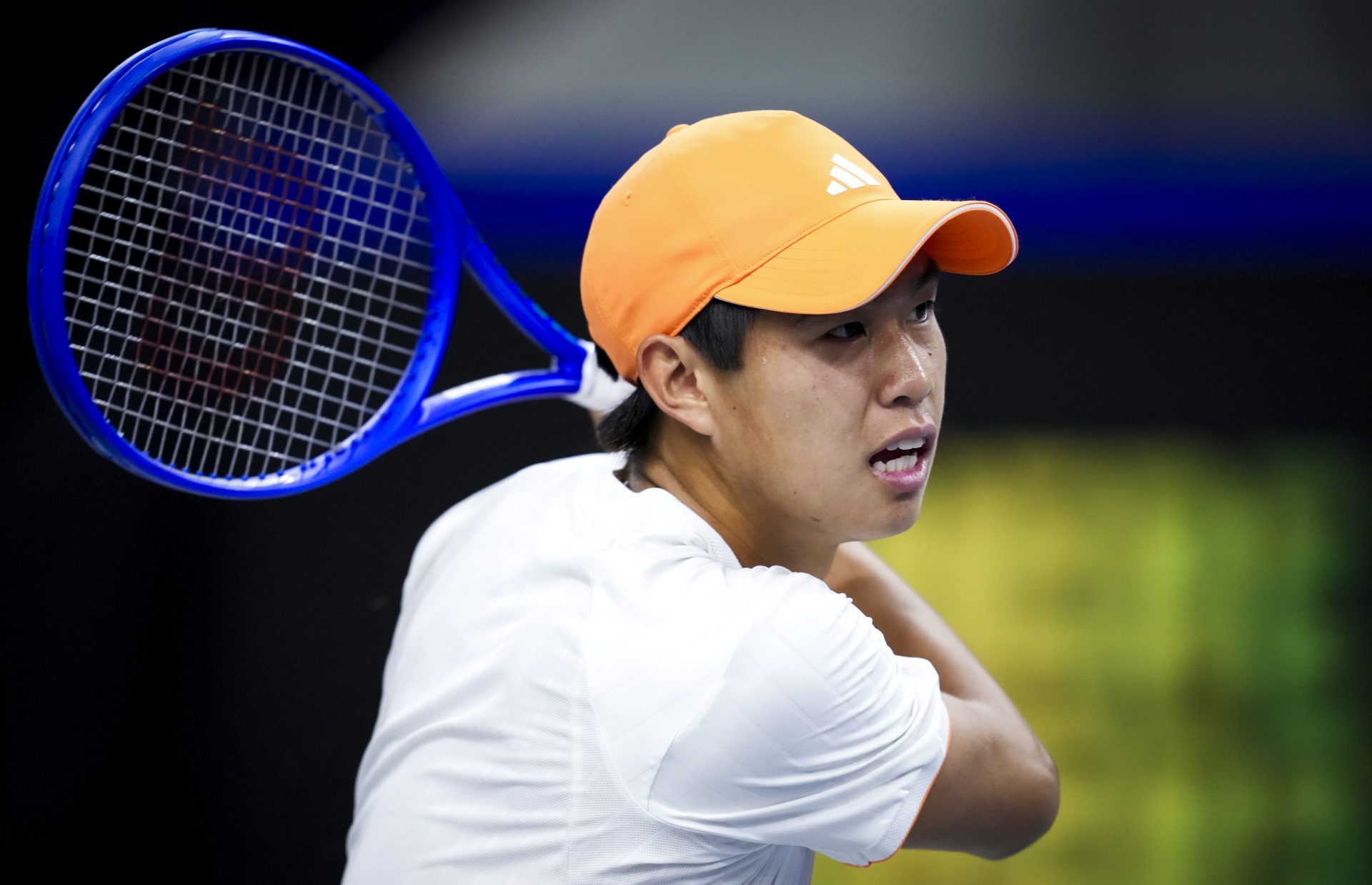
When discussing tennis gear, the tennis racket is undeniably a key focal point. Understanding the intricacies of racket specifications is vital for every player. With the shift towards lighter designs, the modern players favor rackets made from advanced graphite composites that mitigate vibration and improve performance. For male players, the preferred unstrung racket weight generally falls between 295 and 315 grams, while female players often select options in the 280-295 grams range. While a head-heavy balance affords additional power — particularly beneficial for groundstrokes on slower surfaces — a head-light balance equips players with the nimbleness required for quick volleys at the net.
String patterns are also evolving alongside the playing style prevalent among current players. A 16 by 19 string pattern supports maximum topspin capabilities, compelling opponents to retreat deep behind the baseline. Conversely, an 18 by 20 pattern, while ensuring precision, demands impeccable footwork and racquet-speed from the player. Factors such as the temperature on the court can notably impact string tension, prompting players to adjust their settings to counterbalance the lively performance of the tennis balls in warmer conditions.
Footwear forms another vital component of a player’s arsenal. The designated movements in tennis, encompassing quick sprints and lateral movements, place significant strain on the ankles. Regular running shoes simply do not suffice; specialized tennis shoes are designed with features like a lateral outrigger platform to stabilize the foot during rapid direction changes. Additionally, the toe box is reinforced to endure the wear and tear from typical tennis movements, and cushioned insoles provide vital shock absorption, safeguarding players against long-lasting injuries during extended matches.
Each tennis surface presents unique challenges and requires tailored equipment choices. Grass courts are the fastest, while clay courts are characterized by their slower pace. The ability to slide correctly on clay is crucial and is best supported by footwear featuring a specific tread pattern designed to avoid clogs from the surface. Meanwhile, hard courts demand a tread that maximizes grip, as sudden stops can lead to injury. After grueling practices, players often turn to different forms of relaxation, such as visiting online casinos, providing an enjoyable distraction between matches.
Tennis balls are another fundamental aspect of the game. Typically made from natural rubber with a blend of high-quality materials, they come in two primary types: pressurized and pressureless. Official tournaments exclusively use pressurized balls due to their superior bounce and speed, although they tend to lose their quality after a few hours of play. Pressureless balls serve as reliable alternatives for practice and training sessions, known for their durability.
Beyond equipment and apparel, the strategic elements of tennis continue to gain traction. Analysts keenly examine individual player statistics and current form, as factors such as serve accuracy and break-point conversion rates can significantly influence match outcomes. As the May tournaments unfold, it becomes apparent that players with a strong return game on these slower surfaces are leading contenders.
Pre-match preparation remains a critical undertaking. Players should meticulously check their equipment and warm-up with dynamic movements to minimize injury risks, ensuring they are fully primed for competition.
In terms of fashion, the evolution of women’s tennis wear reflects not only aesthetics but also functionality. An ideal tennis dress today is crafted from cutting-edge materials that wick moisture effectively while providing comfort during matches. With thoughtful designs that integrate compression and ball storage, modern attire allows athletes to channel their focus entirely into the game.
As the tennis season progresses, athletes continue to adapt and evolve, both in their physical capabilities and their approach to the sport, all while navigating the intricate tapestry of preparation, choice, and strategy.