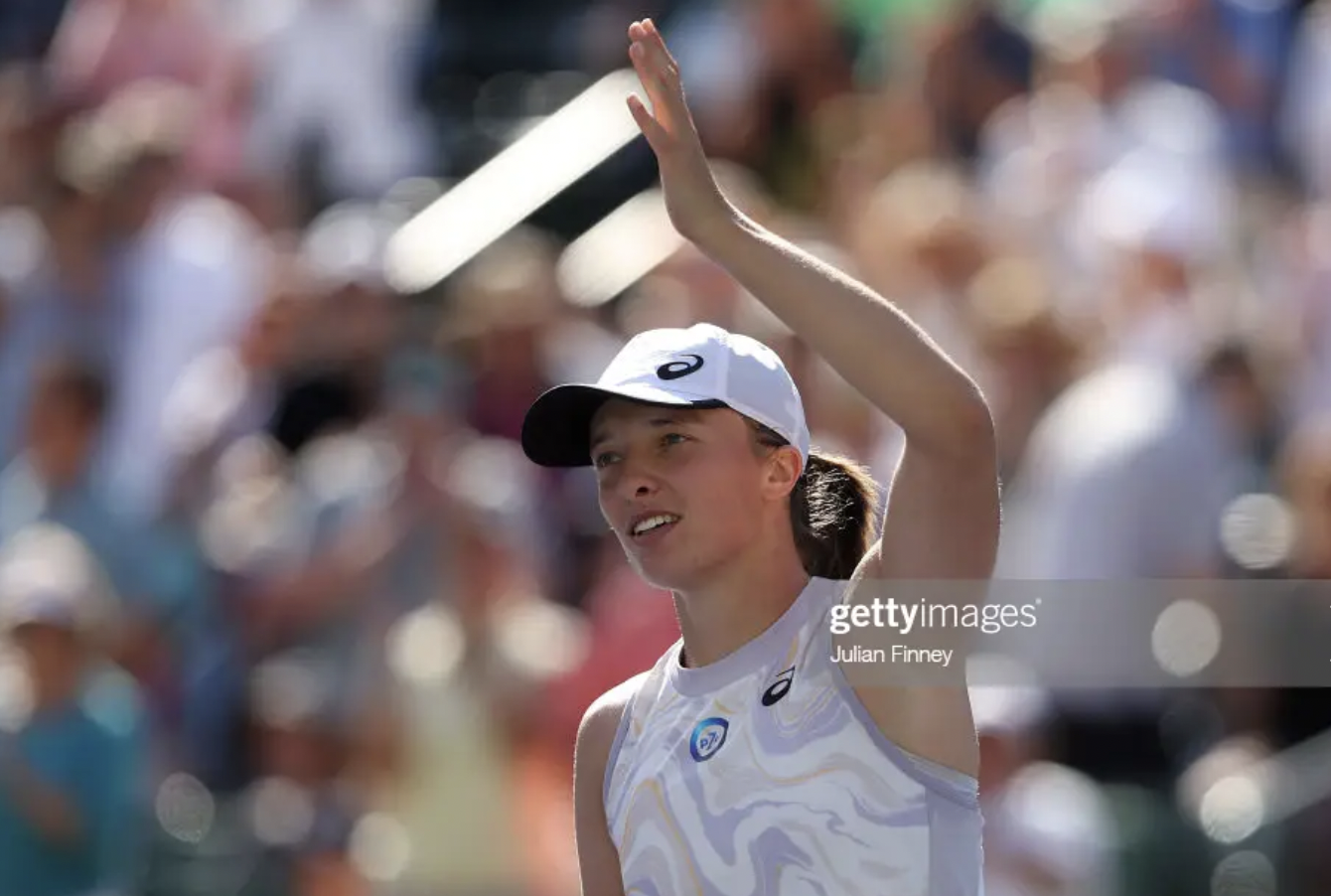
As Wimbledon 2026 approaches, the excitement surrounding the women’s draw is palpable. This prestigious tournament has consistently showcased a blend of emerging talent and experienced competitors, making it one of the most anticipated events in the tennis calendar. Last year, Iga Swiatek captured the title as the eighth seed—her first on grass—and she now faces the challenge of defending her championship.
Aryna Sabalenka, the current world number one, returns to the All England Club with her sights set on atoning for her semi-final exit in 2025. The competition remains fierce, with significant contenders including Elena Rybakina, Coco Gauff, Emma Raducanu, and the rising star Mirra Andreeva, each of whom will be eager to make their mark.
Swiatek’s title run last year was unexpected; many viewed grass as her least favored surface. However, her impressive adaptability throughout the tournament saw her evolve into a more formidable competitor on this quicker court. By the time she reached the final, Swiatek demonstrated newfound confidence and skill, particularly in her serving and aggressive play—qualities that she will need to replicate in her title defense.
In recent history, defending champions in women’s singles at Wimbledon have been a rarity. Swiatek aims to join the elite company of Serena Williams, the last player to achieve this feat. Despite being known primarily as a clay-court specialist, her growth over the past year suggests she could contend seriously again, particularly if she comes in with strong performance results from lead-up tournaments.
Sabalenka’s journey takes on a narrative of its own as she seeks to complete her own story at Wimbledon. Having demonstrated powerful serves and aggressive returns, her playing style aligns well with grass-court conditions. However, one of her key challenges has been maintaining emotional composure during high-pressure moments. With last year’s near-success spurring her on, Sabalenka will look to harness her power while minimizing unforced errors – a crucial factor on the faster grass.
Among the other contenders, Amanda Anisimova returns as a finalist from 2025. Her flat stroke play is particularly potent on grass, making her a significant threat if she remains physically fit. Former champion Elena Rybakina, with her reputation as one of the tournament’s best servers, also enters the competition with a strong chance for repeat glory. Jessica Pegula, often overlooked yet consistently capable, brings tactical intelligence to her game—an essential trait in navigating the complexities of Wimbledon.
Coco Gauff, a young talent with immense potential, and Emma Raducanu, buoyed by home support, represent the fresh wave of players who could break through and challenge for the title. Both athletes will need to maximize their on-court strategies and capitalize on their natural skills to secure extended runs.
The consistent nature of grass courts rewards players who can adapt quickly and play aggressively. With Wimbledon serving as a showcase for the sport’s brightest, a myriad of possibilities exists for unexpected results. As players transition from clay to grass, the need for precision and effective serving becomes even more critical.
In terms of predictions, Aryna Sabalenka stands out as a leading favorite due to her holistic approach to the game in grass-court conditions. An improved Swiatek could also pose a significant threat, showcasing that a repeat champion is a possibility. Meanwhile, the nature of this tournament strongly suggests that surprises can emerge from lesser-expected players, making it difficult to pinpoint a definitive winner.
As we look ahead to the women’s final on July 11, excitement is sure to be at an all-time high, with fans eagerly awaiting to see who will take home the prestigious trophy. While betting odds may favor established names, the unpredictability of Wimbledon also leaves room for a captivating narrative filled with unexpected champions and memorable matches.