
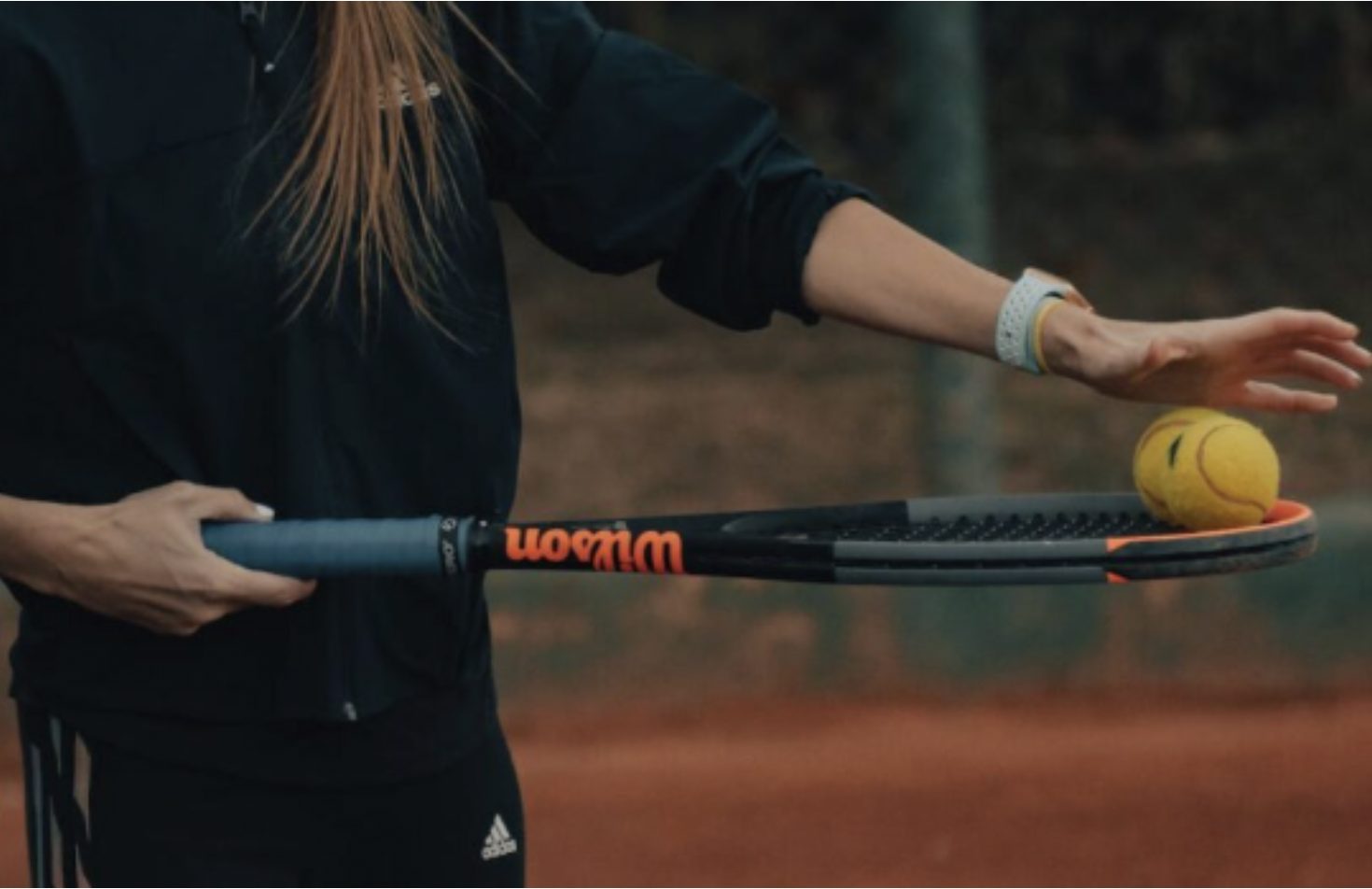
The evolution of performance dynamics on various tennis surfaces is reshaping the landscape of professional tennis in 2026. As the ATP and WTA tours unfold, evidence from recent matches indicates a significant shift towards surface-specific advantages that are beginning to overshadow traditional indicators such as player rankings and head-to-head records.
Throughout the early months of this season, data has shown that the distinct characteristics of hard, clay, and grass surfaces are playing an increasingly crucial role in match outcomes. The ability of players to adapt their styles to the specific demands of each surface has never been more critical. With the variability in ball bounce and movement dramatically influencing gameplay, athletes are now focusing on fine-tuning their techniques to optimize performance based on the friction and speed of the courts they compete on.
One of the most striking revelations from current analytics is the concept of “Surface Dominance Ratios,” which quantifies a player’s effectiveness based on their surface preference. This metric has revealed a notable 12% disparity between specialists on clay compared to their grass counterparts, marking the largest gap seen in ten years. Analysts attribute this to a return to more distinct court speeds, reversing the homogenization trend of the early 2010s.
The necessity of mastering the nuances of each playing surface is emphasized through the lens of match preparation. For instance, the capacity to slide effectively on clay—which enables players to maintain speed while recovering—is now a fundamental skill rather than a bonus. On the faster-paced hard courts, the correlation between quick point conclusion, particularly in four shots or fewer, has risen dramatically, with a striking 74% relationship to winning matches.
With these developments, the analytics community is pivoting away from conventional performance metrics such as a player’s recent form and moving towards a more detailed “Surface-Adjusted Form” framework. An example of this shift can be seen when a player boasts a five-match victory streak on indoor hard courts. This success might not carry the same weight if they transition to outdoor slow clay against a player who is considered a surface specialist, even if that specialist has a disappointing recent record.
Crucial indicators influencing match predictions now include several nuanced statistics. The percentage of points won on return shifts by as much as 15% depending on the court conditions. Meanwhile, lateral recovery times notably prolong on grass, thus favoring athletes with shorter, more efficient strides. Additionally, players who rely heavily on topspin are finding significant advantages on high-altitude clay courts, showing a 20% improvement in their performance metrics.
As the tennis calendar approaches its mid-year championships, the focus on surface-specific data is poised to intensify further. Tournament organizers are increasingly aware that the surface factor is not only influencing player preparation but also fan engagement, as audiences look for more technical insights rather than simply relying on a player’s reputation.
For today’s professional athletes, the message is clear: to maintain competitiveness at the highest level, players must adapt their games to the unique challenges presented by each surface, lest they risk being overshadowed by those who can effectively tailor their strategies to fit the court conditions.