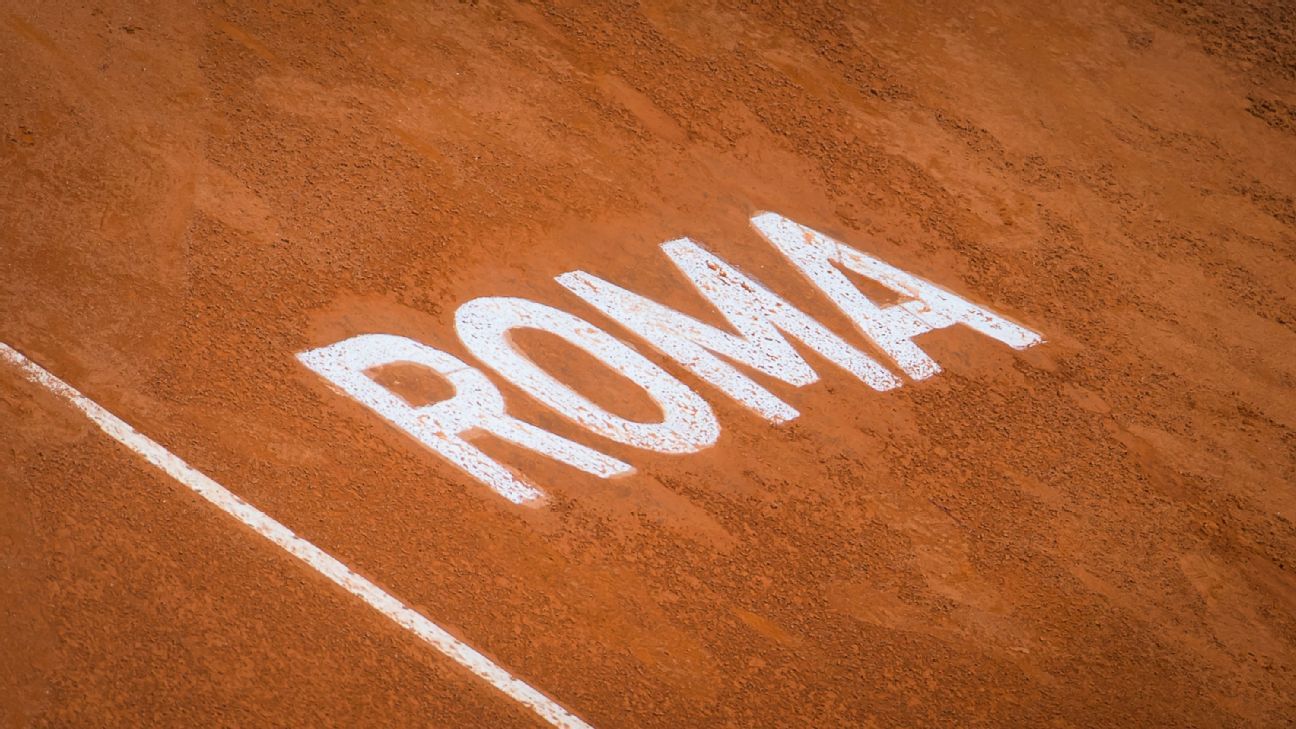
The Italian Open’s atmosphere this year is charged with tension as players rally for improved prize money and conditions in Grand Slam tournaments. Under the umbrella of mounting dissatisfaction, prominent figures in tennis are calling for significant changes, with a possible boycott of future Slams on the table.
Angelo Binaghi, head of the Italian Tennis and Padel Federation, has emerged as a vocal supporter of the players’ cause. His ambition to elevate the Italian Open to a fifth Grand Slam tournament speaks to his vision for tennis beyond its traditional confines. This ambition is underscored by ongoing frustrations about prize money allocations, particularly at the French Open, which has been criticized for a mere 14.3% revenue share for players—starkly lower than the 22% seen in ATP and WTA events, including this week’s Italian Open.
Top-ranked players such as Aryna Sabalenka and Coco Gauff have joined the chorus of dissent. During the event in Rome, Sabalenka expressed, “Without us, there wouldn’t be a tournament. We deserve to be compensated a larger percentage.” Her comments were echoed by Jannik Sinner and other leading players, who released a statement denouncing the current distribution of earnings, calling it “scandalous.”
Binaghi reiterated support for the athletes, pointing out the stark disparities between the financial resources of the Grand Slam events and those of ATP tournaments. “It’s shameful and creates competitive disparities too,” Binaghi noted, emphasizing the unequal investment capabilities of the four nations hosting the Slams. His push against what he termed a “monopoly” is gaining traction, as many players express dissatisfaction and seek better representation, health benefits, and pension options.
Despite this year’s Italian Open featuring a higher payout for its women’s champion, at €1.055 million ($1.24 million) compared to €1.007 million for the men’s winner, historically, the prize money has favored male competitors. This discrepancy has fueled discontent among female players who aspire for equity across the board.
Looking ahead, Binaghi’s quest to establish the Italian Open as a fifth Grand Slam is met with both enthusiasm and skepticism. The challenges include the limitations imposed by the Foro Italico’s infrastructure and logistical concerns. However, plans for enhancements such as a retractable roof for Campo Centrale indicate progress, with expectations for an expanded seating capacity by 2028.
Binaghi remains optimistic, asserting, “If we’re going to aim big, we shouldn’t focus exclusively on the Foro Italico.” His vision sees potential for the tournament to adapt and thrive across Italy, furthering the sport’s development.
As tensions rise and conversations about reform persist, the path forward for both players and tournament organizers remains uncertain. The stakes are high, and the voices advocating for change continue to resonate throughout the tennis community as they seek fairness and recognition for their contributions to the sport.