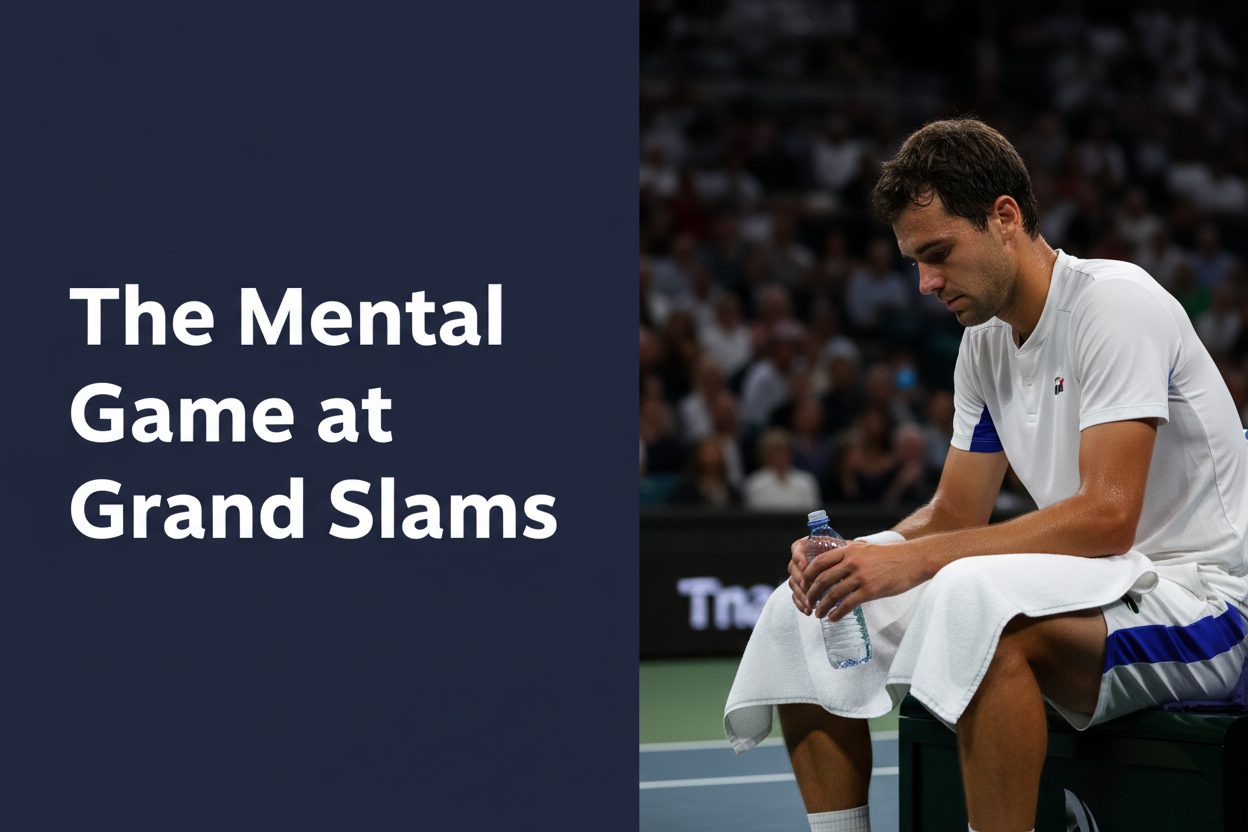
In professional tennis, the distinction between the top competitors in the game often boils down to mental fortitude rather than just technical skills. The physical prowess and expertise among the elite players rank close together, especially within the top 50. The real differentiator in tightly contested matches—those gripping five-set showdowns—lies predominantly in the players’ mindset.
The mental component of tennis is crucial at all levels, from the grand spectacles of Wimbledon to local club matches. Players who excel under pressure consistently find ways to harness their mental strength, allowing them to emerge victorious when it counts the most. Here’s how leading players at Grand Slam tournaments navigate their mental game, and how you can harness similar principles to elevate your own performance on the court.
-
Focus on Each Point Individually
Elite players, like Novak Djokovic, exemplify the importance of treating each point as a standalone event. Djokovic maintains a consistent routine between points—resetting mentally and physically regardless of the previous score or outcome. This practice helps to clear his mind of errors and distractions, enabling him to commit fully to the next point. In contrast, many amateur players tend to carry the weight of past mistakes into subsequent points, which can lead to a cascade of errors. By establishing a personal routine that includes a brief moment to breathe and refocus after each point, you can develop this critical skill. -
Reframe Anxiety as Excitement
World-renowned players such as Roger Federer view high-stakes situations as privileges rather than burdens. When asked about handling pressure on Centre Court, Federer expressed his enjoyment of the moment. For top athletes, pressure indicates that a match is meaningful and worthwhile. The physiological reactions to excitement and nervousness are strikingly similar, so changing the narrative around those feelings—from anxiety to readiness—can alter your performance. When faced with important matches, consciously tell yourself you’re not nervous but rather prepared and eager for the challenge. -
Stick to a Game Plan
At Grand Slam levels, players are trained to adhere to their game plans even when the results don’t seem immediately favorable. For instance, Rafael Nadal typically targets the opponent’s backhand with relentless consistency, understanding that this strategy may take time to yield results. Amateurs often abandon their strategies after only a few attempts, which prevents them from fully exploiting weak points in their opponent’s game. Enter each match with a well-defined tactical goal and remain committed to it before reconsidering adjustments. -
Energy Management is Key
Five-set matches can stretch anywhere from three to five hours, making energy conservation and management a vital strategy. Top players pace themselves, being intentional about when to exert maximum effort. They make the most of changeovers, using this time to rest and recalibrate rather than mentally replay points. Maximizing intensity during crucial moments, such as break points or set points, allows for better stamina throughout the match. During your competitive matches, take your time between points to recover and prepare strategically for key moments. -
Mistakes Are Part of the Game
Every champion, including stars like Alcaraz and Swiatek, makes errors. The differentiation lies in their reactions to these missteps. Where average players may dwell on mistakes or engage in self-criticism, elite competitors recognize errors for what they are—part of the game. Acknowledging a mistake, taking a second to reset, and moving on is central to maintaining focus. Training yourself to briefly recognize errors and then redirecting your attention to the next play is essential for success.
The mental game in tennis is a skill that players can cultivate. Like Djokovic, who didn’t simply possess resilience, but developed it through sustained effort and mental conditioning, players of all levels can learn to strengthen their mental toughness. By focusing on one aspect of the mental game in each match, you can progressively enhance your performance.
In summary, the essential lessons from the top levels of tennis revolve around five key principles: addressing one point at a time, reframing pressure into opportunity, maintaining a committed approach to tactics, managing energy thoughtfully, and accepting errors without undue judgment. Cultivating a strong mental game does not require innate talent; it demands practice and dedication. Implement these strategies in your next match, and watch your performance transform.