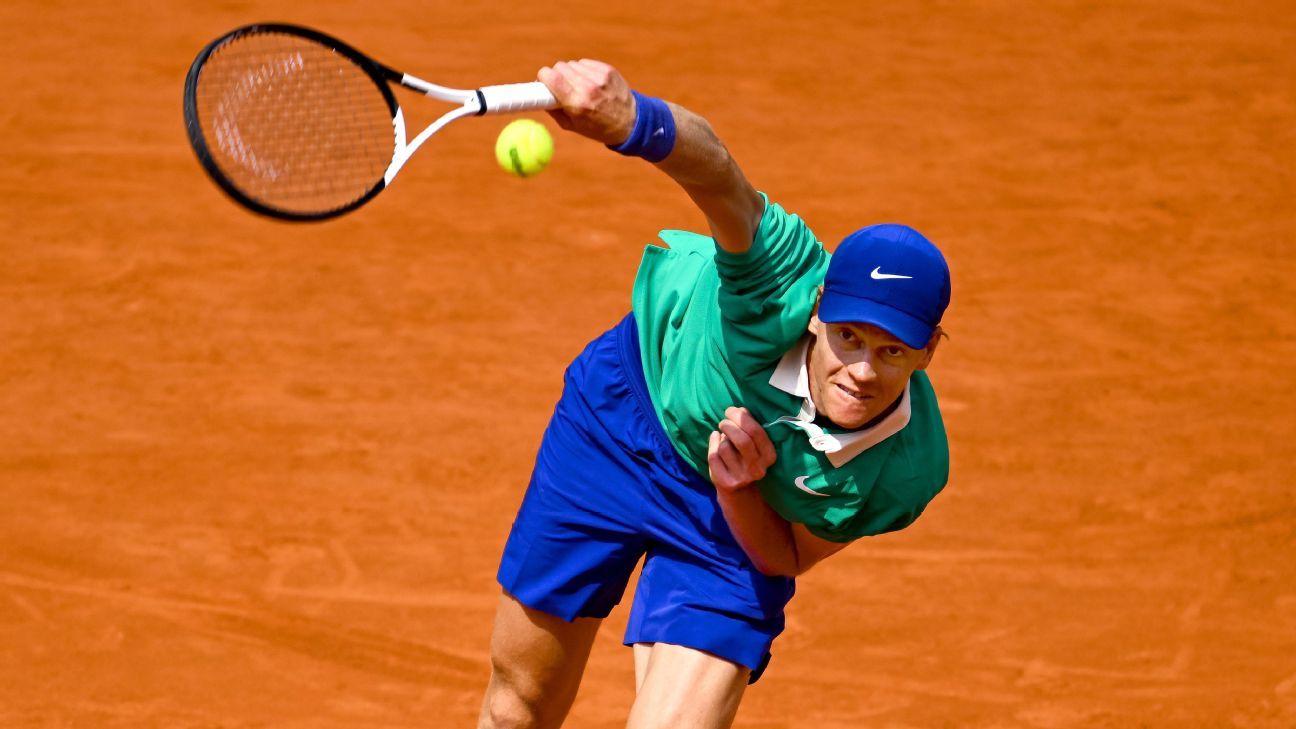
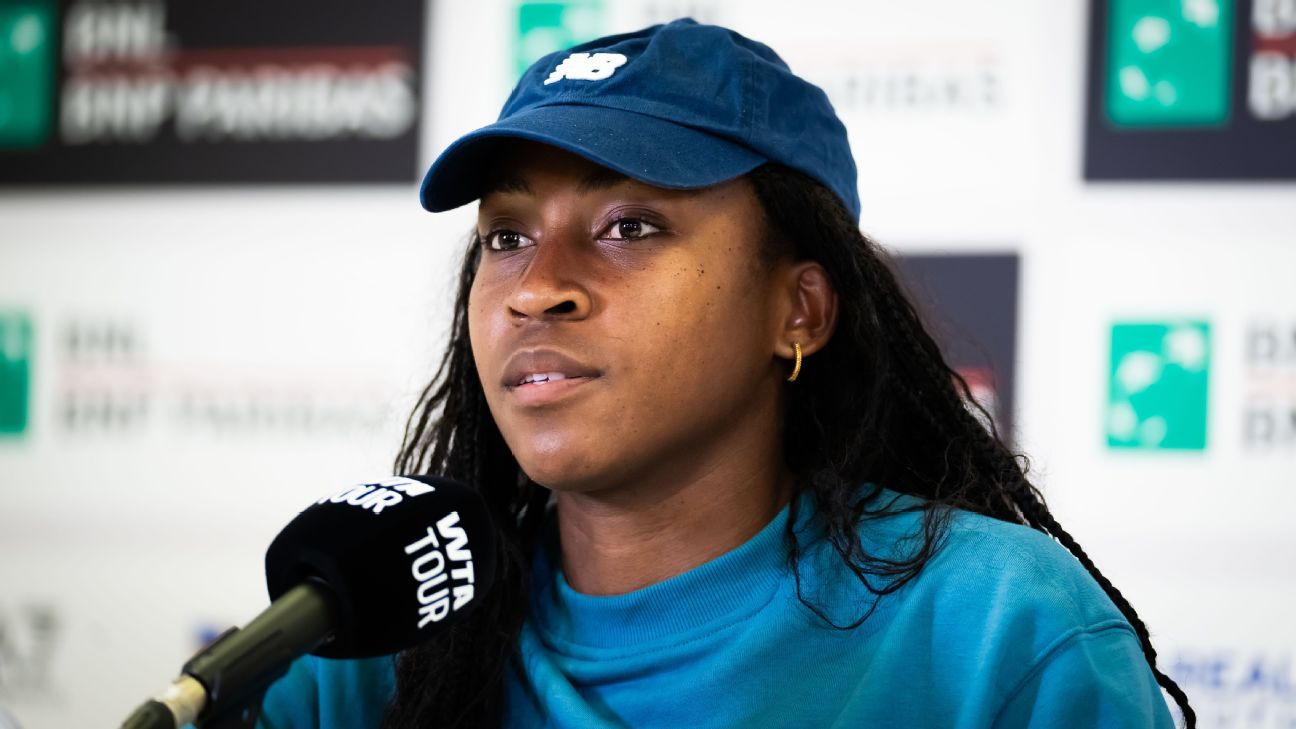
The tension surrounding the French Open has been amplified in recent weeks as top tennis players express their dissatisfaction with the financial structure governing the Grand Slam event. World No. 1 Jannik Sinner, alongside fellow champions Aryna Sabalenka and Coco Gauff, has taken the lead in voicing concerns about the unequal distribution of prize money and revenue sharing within the sport. Their public outcry, which reflects collective discontent among high-ranking players, raises the possibility of a boycott if their demands for change remain unmet.
At the Italian Open, Sinner articulated his frustrations, emphasizing that the issue transcends mere financial compensation. “It’s about respect,” he stated, explaining that players deliver immense value to the tournaments but do not receive an equitable share in return. Sinner highlighted a declining percentage of revenue shared with players, noting that the French Open’s prize pool, despite being increased to $72.3 million for 2026, constitutes a lesser portion of the gross revenue (14.9%) compared to the players’ aspirations of 22%, as seen in ATP and WTA 1000 events.
Sabalenka elaborated on this sentiment, arguing for fairness at a recent press conference. “The show is on us,” she remarked, underscoring the essential role players have in driving the sport’s popularity and revenue generation. Both she and her peers have conveyed growing frustration with the current arrangements, having previously sent letters to tournament officials advocating for increased revenue sharing and more significant player involvement in decision-making processes.
Current comparisons to other major sports demonstrate the disparities in financial arrangements for athletes. For instance, NBA players receive about 50% of the league’s revenue, while WNBA players recently secured a 20% share after a rigorous negotiation process. In contrast, Sinner pointed out that tennis players are asking for a share that, while below 50%, is currently inadequate relative to their contributions. Crucially, the financial struggles of lower-ranked players, who heavily rely on prize money, cannot be overlooked. While first-round players at the French Open will earn about $101,000 this year, many still struggle to make ends meet.
While the discussion of a potential boycott looms over the tournament, the practicalities remain complex. Djokovic, a major figure in the sport, while not directly involved in the current discussions for change, voiced support for player welfare and a stronger position in the sport, emphasizing solidarity among players, though he remains on the sidelines for now.
The French Tennis Federation (FFT) has defended its position, asserting its commitment to increasing player compensation over time. In a statement, they noted the substantial prize money growth since 2019 and indicated that a significant portion of the increase is aimed at assisting early-round participants. However, many players feel that this approach does not address the broader systemic issues at play.
Calls for a collective response from players have gained momentum, with Gauff suggesting that unity among players could lead to significant progress. The idea of coordinated action, potentially mirroring the strategies used in other sports, signals a pivotal moment for tennis, wherein high-profile athletes are contemplating whether coordinated efforts can indeed elevate their positions.
As the tournament approaches, speculation exists regarding a boycott. While some believe such actions could dramatically reshape future negotiations, others caution that the fragmented nature of tennis, where players often compete against each other even at social or organizational levels, may hinder collective action. The coming weeks will unveil whether this wave of discontent translates into meaningful changes or if players will need to escalate their protests further. Regardless of the outcome, the current discussions underscore a crucial moment in tennis where economic considerations and athlete rights take center stage.