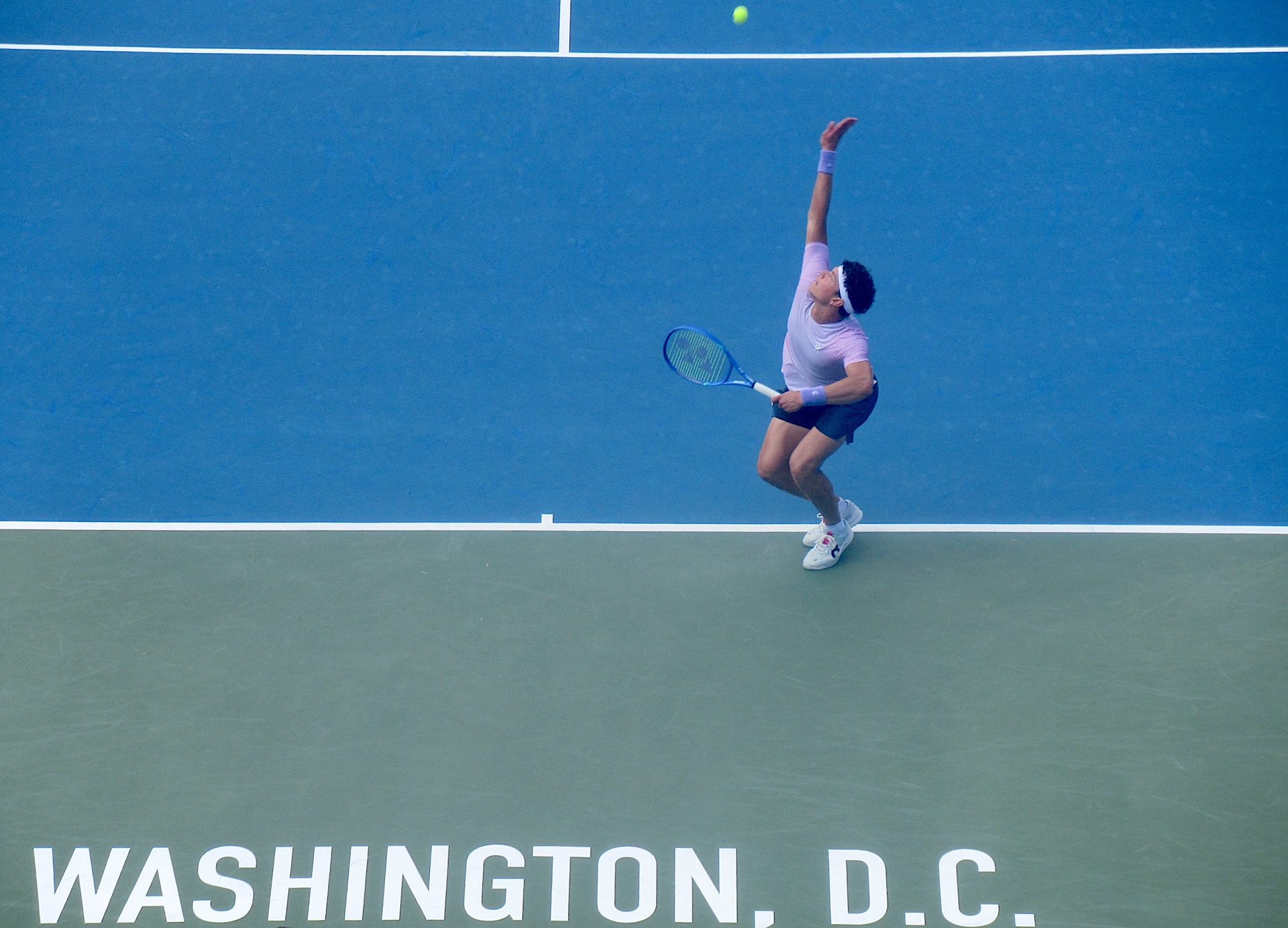
The Mubadala Citi DC Open is a prominent fixture on the tennis calendar, providing a unique blend of challenges and opportunities for players transitioning from summer festivities to the North American hard-court circuit. This tournament, nestled in the heart of Washington D.C., is characterized by its distinctive atmosphere that reflects both the excitement of competitive tennis and the nuances of a rapidly changing environment.
As players migrate from the grass of Wimbledon to the hard courts of D.C., they confront not only differing surfaces but also the discomforts of the region’s hot and humid weather. The transition is rarely seamless; athletes often find themselves grappling with fatigue and energy management as they adjust to the oppressive summer conditions. This unpredictability is part of what makes the tournament so compelling, as early rounds can yield surprising results and emerging storylines.
The climate in Washington is unforgiving, with high humidity levels that can drain players physically during lengthy rallies. The crucial element of hydration means that players spend considerable time off the court ensuring their bodies are ready for the demands of each match. This aspect of the tournament strategy emphasizes that mental resilience is as vital as physical prowess, especially when matches stretch into decisive third sets.
One of the tournament’s defining features is its combined ATP and WTA format, allowing both men’s and women’s competitions to unfold concurrently. This duality not only enriches the spectator experience but also enhances media coverage and diversifies the narratives surrounding the event. Fans are treated to a day filled with varied matchups, creating a vibrant atmosphere where tennis aficionados can move fluidly between contests.
Timing plays a significant role in the narratives of the players participating in the DC Open. For many, this tournament serves as a critical juncture just before the ATP Masters 1000 events in Toronto and Cincinnati, while others aim to regain their footing post-Wimbledon. The draw typically features a mix of seasoned veterans, top-ranked stars, and younger talent eager to establish their presence on hard courts, producing an eclectic atmosphere of competition.
The court surface itself is often conducive to aggressive play, rewarding players who are bold and decisive with their shots. Players who can harness the energy and capitalize on quicker evening conditions typically fare well. However, the dense air can lend a heavier quality to the ball, creating longer rallies that challenge players to balance their aggression with strategic patience.
Beyond the on-court action, the logistics surrounding the tournament significantly impact performance. Traffic congestion and the intricate layout of Washington necessitate careful planning by players and support teams to ensure they maximize their recovery time and minimize fatigue. Many players opt for reliable transportation methods to navigate the bustling city during the tournament week.
As this year’s Mubadala Citi DC Open unfolds, it offers crucial insights into the trajectory of the summer hard-court season. With its combination of demanding conditions, a variety of playing styles, and an engaging environment, the tournament stands as a key indicator of player readiness heading into the US Open, continuing to solidify its reputation as a must-attend event on the tennis circuit.