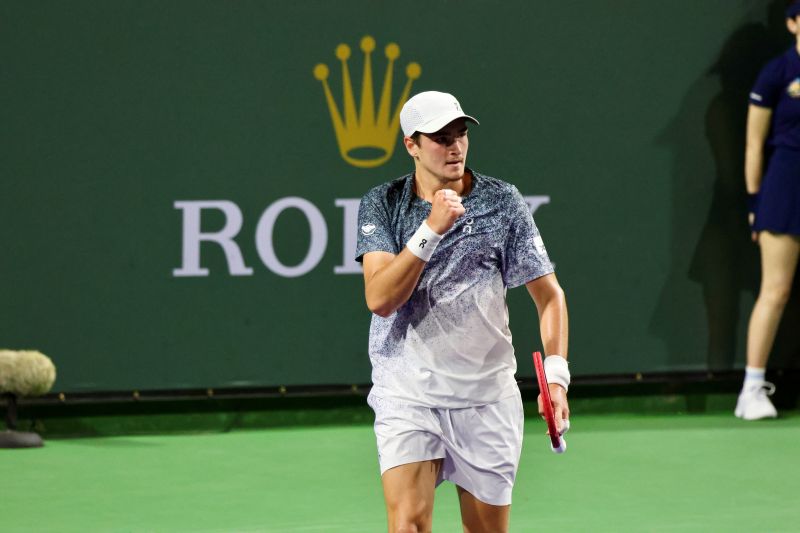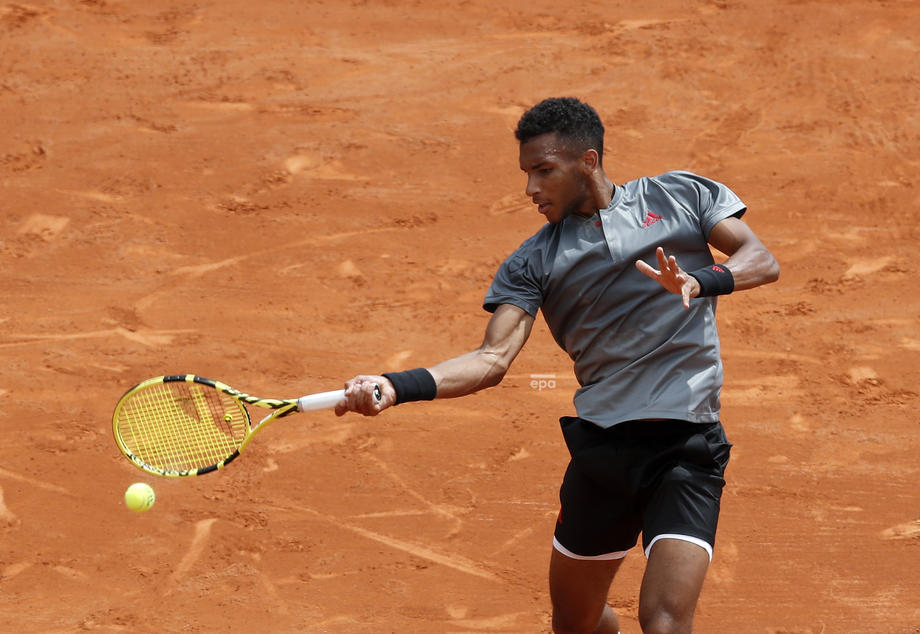
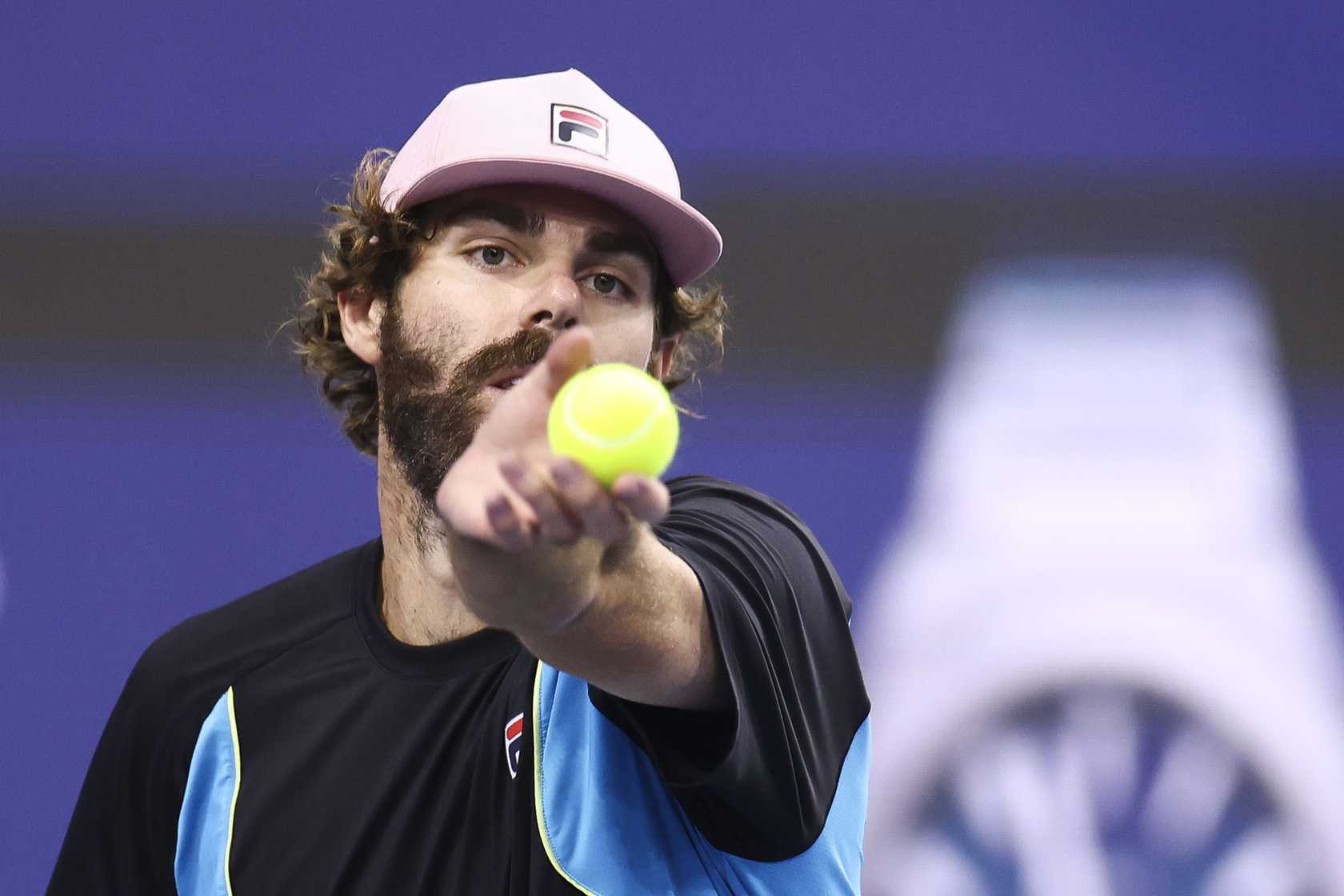
As the 2025-26 tennis season progresses, the evolution of the serve continues to take center stage. Players are not only relying on traditional skills but are increasingly morphing into serve-centric athletes whose serving prowess significantly influences match outcomes. This strategic shift could be observed throughout recent tournaments, particularly as players hone their talents to gain a competitive edge.
Historically, players’ heights have correlated with their performance, and this trend is more pronounced than ever. From 1980 to 2010, the average height of the ATP’s top 100 male players only increased slightly, but in the past fifteen years, the average has climbed by an additional five centimeters. The growing stature of players, such as Giovanni Mpetshi Perricard, exemplifies this pattern. Standing at an impressive 203 cm, the Frenchman is not just tall; he is reaping the rewards of modern conditioning and sports science that allow players of greater height to endure the physical strains of elite competition.
Mpetshi Perricard is setting new benchmarks with his serve-first approach. He boasts an ace percentage of 19.1%, effectively ending one in five service points before his opponents can mount a response. When considering unreturnable serves — those that opposition players fail to touch — Mpetshi Perricard triumphed with a breathtaking 45.6% success rate over the past year. Comparatively, Reilly Opelka, the American giant at 211 cm, follows closely with 41.9%. Their capabilities provide irrefutable evidence of how a powerful serve can dominate contemporary play.
Statistical analysis further underlines Mpetshi Perricard’s impressive numbers, leading the men’s tour with an average of 13.73 aces per match. He is followed by Hubert Hurkacz and Matteo Berrettini, both of whom also excel in serving. However, while Mpetshi Perricard’s serving prowess is remarkable, his double fault statistic, averaging 4.28 per match, signals that there is still room for improvement in his overall serving strategy. His peers, such as Berrettini and Hurkacz, showcase a more controlled playstyle with significantly fewer double faults.
Ranked players are also feeling the shift in serve efficiency. Alexander Zverev, currently second in the ATP rankings, has seen his average aces per match fall from 9.5 to 6.0, a trend that has coincided with his performance levels earlier in the season. Similarly, Jannik Sinner, who holds the world number one position, also experienced a decrease in aces, suggesting the potential impact of seasonality and surface type on serving dynamics.
Examining surface types provides further insight into serve statistics. The initial months of the season, dominated by hard courts, allow players to maximize their serving capabilities due to the enhanced ball speed and conditions. In this phase, ace percentages soar, offering serve-heavy players like Mpetshi Perricard a distinct advantage. However, as the clay season approaches, serve dynamics shift, presenting returners with more opportunities due to slower ball speeds and altered bounce angle. The upcoming grass season, however, may once again favor those skilled in serving, as statistics from previous years suggest higher ace rates on grass courts.
On the women’s side, while the WTA has historically seen fewer aces than their male counterparts, the gap is narrowing. Paris 2024 Olympic champion Qinwen Zheng exemplifies this new wave of serving excellence. Leading the WTA in unreturnable serve rate with 31.2%, she also ranks among the top players in average aces per match at 7.17, suggesting that women’s tennis is increasingly embracing serve-oriented strategies.
Clara Tauson, a rising Danish star, is another notable player making waves with her serving ability. Prior to the Indian Wells tournament, Tauson posted an average of 7.26 aces per match, showcasing significant growth from her performance last season. This increased efficiency is indicative of a broader trend where women’s players are improving their serving prowess, a trend underscored by the powerful serves from competitors like Elena Rybakina and Alisha Parks.
While raw ace statistics can certainly capture attention, true match-winning potential often rests on consistency metrics. For example, Sofia Kenin leads the WTA in first-serve percentage at an impressive 71%, showcasing the importance of combining precision with power. Coco Gauff excels in first-serve points won, exhibiting the blend of effectiveness and dominance required to succeed in pressure situations.
Overall, the serve’s role in professional tennis is not a fleeting trend but an integral aspect of the modern game. This development, driven by enhanced athlete conditioning, evolving match strategies, and surface adjustments, affirms that delivering strong, strategic serves is critical to long-term success in the sport. As players continue to adapt and refine their serving techniques, the advantages gained from serving well will prove to be significant throughout the season’s unfolding tournaments.